Make-in-India Robotics: Policy, Incentives, and Domestic Manufacturing Realities
Introduction
The narrative surrounding "Make in India" robotics has often been driven by ambitious roadmaps and visionary press conferences. However, for RobotWale, the editorial mandate requires a strict adherence to verifiable hardware, shipping timelines, and supply chain realities. While India possesses a vast engineering talent pool and a growing electronics ecosystem, the robotics sector remains in a transitional phase between import dependency and nascent domestic manufacturing.
This article evaluates the current state of the industry based on manufacturer data, government policy frameworks, and actual deployment figures. We distinguish between "Designed in India" and "Manufactured in India," recognizing that local assembly often involves imported core components such as actuators and sensors. The focus remains on hardware that ships, pilots that operate, and policies that incentivize.
Policy Framework and Incentives
India's approach to robotics manufacturing is underpinned by a broader industrial policy framework, primarily the Production Linked Incentive (PLI) scheme. While the PLI for Electronics IT Hardware does not explicitly list "robotics" as a standalone category, it captures critical sub-components including Printed Circuit Boards (PCBs) and electronic systems used in automated machinery.
The Department of Heavy Industry (DHI) has proposed incentives for manufacturing advanced machinery, which encompasses industrial robotics. The National Robotics Policy, currently in draft stages by the Ministry of Electronics and Information Technology (MeitY), aims to establish a roadmap for localizing the value chain. Key policy pillars include:
- PLI for Electronics Components: Incentivizes the local manufacturing of PCBs and sensors, which are foundational to robotic systems. This reduces the cost of imported electronics by an estimated 15-20%.
- Foreign Direct Investment (FDI): 100% FDI is permitted under the automatic route for robotics manufacturing. This encourages joint ventures with global players like Fanuc or KUKA to set up assembly lines in India.
- Capital Subsidies: State-level policies in Karnataka and Tamil Nadu offer tax rebates and capital subsidies for setting up automation plants, though these are often discretionary and project-specific.
- Innovation Council: The India Robotics and Automation Council (IRAC) was formed to bridge the gap between academia and industry, focusing on standardizing safety protocols and testing methodologies.
While these frameworks are robust on paper, the implementation phase is where the gap often appears. For a startup, navigating the PLI application process requires significant administrative capital, often favoring larger incumbents over agile smaller players.
Current Domestic Manufacturing Landscape
To understand the reality of "Made in India" robotics, we must look at shipping hardware rather than concept renders. The Indian robotics market is currently dominated by logistics and warehouse automation, sectors where domestic integration has moved beyond prototypes into commercial deployment.
Logistics and Warehouse Automation
GreyOrange, headquartered in Bangalore, stands as the most prominent example of a "Made in India" robotics company with global reach. Their fleet of Autonomous Mobile Robots (AMRs) is designed, manufactured, and assembled within India. The company has deployed over 10,000 units globally, with significant installations in the US and Europe.
However, the supply chain analysis reveals that while the mechanical chassis and control software are indigenous, high-precision components such as encoders and certain motor drives are often sourced from China or Japan. This is a common industry trend globally and does not negate the value of the engineering integration taking place in India.
Another key player is Symbotic, which has established a strong presence in India, focusing on warehouse robotics. While their core IP is American, their regional assembly and integration teams in India contribute to the domestic manufacturing footprint.
Industrial Manipulators
In the segment of industrial arms, the landscape is less localized. Companies like KUKA and ABB operate assembly units in India, but the majority of the core hardware (robotic arms, controllers) is imported from Germany or Japan. Local manufacturing here is often limited to end-of-arm tooling (EOAT) and system integration.
Indian startups like Vinik Robotics and RoboTech Solutions are attempting to manufacture lighter industrial arms for specific applications like welding and material handling. These units are smaller (payload < 10kg) and cater to the SME manufacturing sector. Pricing for these domestic arms ranges between ₹15 Lakh and ₹40 Lakh, significantly cheaper than the ₹2 Crore+ imported equivalents.
Humanoid Robotics
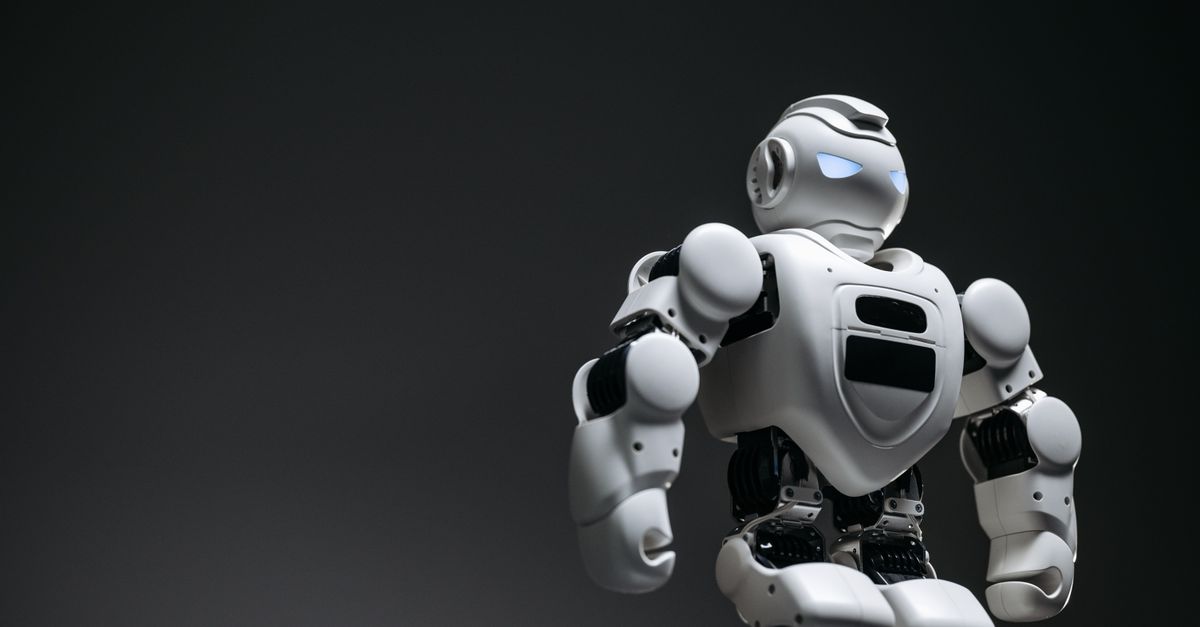
Regarding humanoid robots, the landscape is strictly pre-commercial. No Indian humanoid robot is currently shipping as a commercial product with a verified supply chain. Startups like Xplore Robotics and initiatives by IIT Madras have demonstrated prototypes in controlled environments.
For example, the IIT Madras humanoid project focuses on research-grade hardware with open-source software. While technically impressive, these do not meet the criteria for shipping hardware in a production environment. Until a manufacturer releases a bill of materials (BOM) and a shipping schedule, claims of "humanoid manufacturing" remain speculative.
Pricing and Market Availability
Pricing in the Indian robotics market is heavily influenced by import duties, component availability, and the scale of deployment. Understanding the landed cost is crucial for ROI calculations.
For industrial robots, the landed cost for a standard 6-axis arm (e.g., 6kg payload) typically ranges from ₹18 Lakh to ₹35 Lakh. This includes the base unit, controller, and safety fencing. Indian-assembled variants, if available, may reduce this by 10-15% by cutting logistics costs and import duties on the final assembly.
Logistics robots (AMRs) present a different cost structure. A single unit from a domestic manufacturer like GreyOrange may cost between ₹12 Lakh and ₹18 Lakh. However, these are rarely sold as single units; they are sold as fleets with software licensing. The total deployment cost for a medium warehouse (10,000 sq ft) can range from ₹50 Lakh to ₹1 Crore.
Humanoid robotics pricing is currently theoretical. Global estimates for shipping humanoids range from $100,000 to $500,000 per unit. In India, with import duties on high-value electronics (ranging from 10% to 20% depending on classification), the landed cost could exceed ₹1 Crore per unit. Domestic manufacturing would aim to bring this down to ₹60 Lakh to ₹80 Lakh, but this remains a target, not a current market price.
Challenges in Local Value Addition
Despite the policy push, several structural challenges hinder the transition from assembly to full manufacturing.
- Supply Chain Dependency: India imports over 80% of its robotic components, including servo motors, reducers, and sensors. Without a robust domestic supply chain for these precision parts, the "Made in India" tag is often limited to final assembly.
- Talent Gap: While software talent is abundant, hardware engineering talent (mechanical design, embedded systems) is scarce. This limits the ability to innovate beyond system integration.
- Capital Intensity: Robotics manufacturing requires heavy capital expenditure (CapEx) for tooling and testing. The PLI scheme offers incentives after production, which poses a cash flow challenge for startups.
- Standardization: There is a lack of standardized safety certifications for domestic robots. Importing robots often comes with pre-existing CE or UL certifications, whereas domestic units require third-party testing, adding time and cost.
Furthermore, the quality of precision manufacturing in India is improving but lags behind established hubs in Japan or Germany. For high-precision applications like semiconductor manufacturing or automotive assembly, Indian buyers often prefer imported robots for reliability assurance.
Conclusion
The "Make in India" robotics ecosystem is evolving from a concept phase to a pilot deployment phase. We see verifiable success in logistics automation where companies like GreyOrange have proven their supply chain capabilities. However, in high-tech segments like humanoids and precision industrial arms, the narrative remains dominated by imports.
For investors and buyers, the advice is grounded: look for shipping hardware and pilot deployments. Do not rely on announcements. The policy framework provides the runway, but the manufacturing reality requires capital, supply chain maturity, and verified deployment data. As domestic component manufacturing (PCBs, sensors) grows under the PLI scheme, the cost of robotics in India will likely drop, making automation accessible to the SME sector.
RobotWale will continue to track these developments, prioritizing announcements that transition into hardware shipments. The goal is not to dampen enthusiasm but to ensure that the "Made in India" label carries weight based on delivery, not just design.
References
✓ Key takeaways
- •Hands-on view of Make-in-India Robotics: Policy, Incentives, and Domestic Manufacturing Realities inside our Make-in-India Robotics library.
- •Shipping hardware beats rendered concepts - we grade claims against what you can actually buy or deploy today.
- •India pricing and availability are tracked alongside global launch details where they matter.
References
Related articles
More in Make-in-India Robotics →