Make-in-India Robotics: Policy, Incentives, and the Reality of Domestic Manufacturing
Make-in-India Robotics: Policy, Incentives, and the Reality of Domestic Manufacturing
India's robotics sector has long been framed by two competing narratives: the aspirational vision of becoming a global technology hub and the grounded reality of hardware dependency. While policy announcements regarding the Production Linked Incentive (PLI) scheme and the National Robotics and Automation Strategy draft have generated significant discourse, the tangible output remains in the early stages of maturity. This article evaluates the current state of domestic robotics manufacturing, distinguishing between policy intent, pilot deployments, and actual shipping hardware.
The Policy Framework: PLI and FDI
The primary enabler for domestic robotics manufacturing in India is the government's Foreign Direct Investment (FDI) policy. Robotics manufacturing falls under the 100% FDI automatic route, allowing foreign entities to set up production facilities without prior government approval. However, the critical lever for scaling has been the PLI Scheme for Electronics Manufacturing. Launched by the Department for Promotion of Industry and Internal Trade (DPIIT), this scheme targets the manufacture of electronic components, which form the backbone of modern robotics.
Under the PLI framework, manufacturers receive incentives on incremental sales of products manufactured in India. For robotics, this covers components such as sensors, actuators, and control units. However, the eligibility criteria are strict. To qualify, a manufacturer must demonstrate a minimum investment threshold and achieve a specific incremental sales target over a five-year period. This has led to a concentration of activity among established electronics firms rather than pure-play robotics startups.
Additionally, the draft National Robotics and Automation Strategy, released by NITI Aayog in consultation with industry stakeholders, outlines a roadmap for 2025-2035. The document emphasizes R&D in key areas such as perception, manipulation, and mobility. While the strategy document itself is not legislation, it signals a commitment to aligning public procurement with domestic development.
Key Policy Levers:
- PLI for Electronics: Incentives for manufacturing electronic components used in robotics.
- FDI Automatic Route: 100% foreign ownership allowed for robotics manufacturing.
- Public Procurement: Draft guidelines suggest preferential treatment for Indian-made robotics in government tenders.
- R&D Tax Benefits: 200% tax deduction for R&D expenses incurred by Indian entities.
Domestic Manufacturers: Shipping Hardware vs. Announcements
When grading the Indian robotics ecosystem, the hierarchy is clear: shipping hardware ranks highest, followed by pilot deployments, and lastly by press announcements. Currently, the Indian humanoid robotics sector is predominantly in the prototype or early pilot phase.
Soma Robotics
Based in Bangalore, Soma Robotics has garnered attention for its humanoid platform. The company has demonstrated functional prototypes capable of bipedal locomotion and basic manipulation tasks. However, as of late 2023 and early 2024, there is no widespread commercial deployment data indicating mass production. Their focus remains on R&D and securing pilot partnerships with industrial clients. The hardware is largely assembled in India, but a significant portion of the core components (high-torque actuators and specialized batteries) remains sourced globally.
Srijan Dynamics
Headquartered in Delhi-NCR, Srijan Dynamics has a stronger track record in defense and industrial robotics. Their focus lies in unmanned ground vehicles (UGVs) and robotic arms for defense applications. Unlike the humanoid sector, their commercial and defense hardware has moved beyond the prototype stage. They supply to Indian armed forces, indicating a level of maturity in assembly and testing that is not yet visible in the consumer humanoid space.
Other Notable Entities
- Robovision: Focuses on computer vision and AI for robotics. Their hardware is often embedded in existing industrial arms rather than standalone platforms.
- Agnikul Cosmos: While primarily a rocketry company, their precision engineering capabilities are relevant to robotic actuation and control systems. They have indicated interest in dual-use technologies.
The Supply Chain Bottleneck
The core challenge for “Make in India” robotics is not the assembly line, but the supply chain. A typical humanoid robot requires:
- High-Torque Actuators: Currently, high-end torque density actuators are dominated by manufacturers in China and Europe. Indian startups often source these components for integration.
- Sensors: LiDAR and depth cameras are largely imported, though domestic alternatives are emerging through startups like Robovision.
- Batteries: Energy density requirements for humanoids demand specialized cells, which India’s battery ecosystem is still scaling.
This reliance impacts the landed cost. While labor costs in India are competitive, the Bill of Materials (BOM) for a humanoid robot is often 70% imported components. This means the “Made in India” label often applies to the final assembly and integration rather than the core components.
Availability and Pricing: The INR Reality
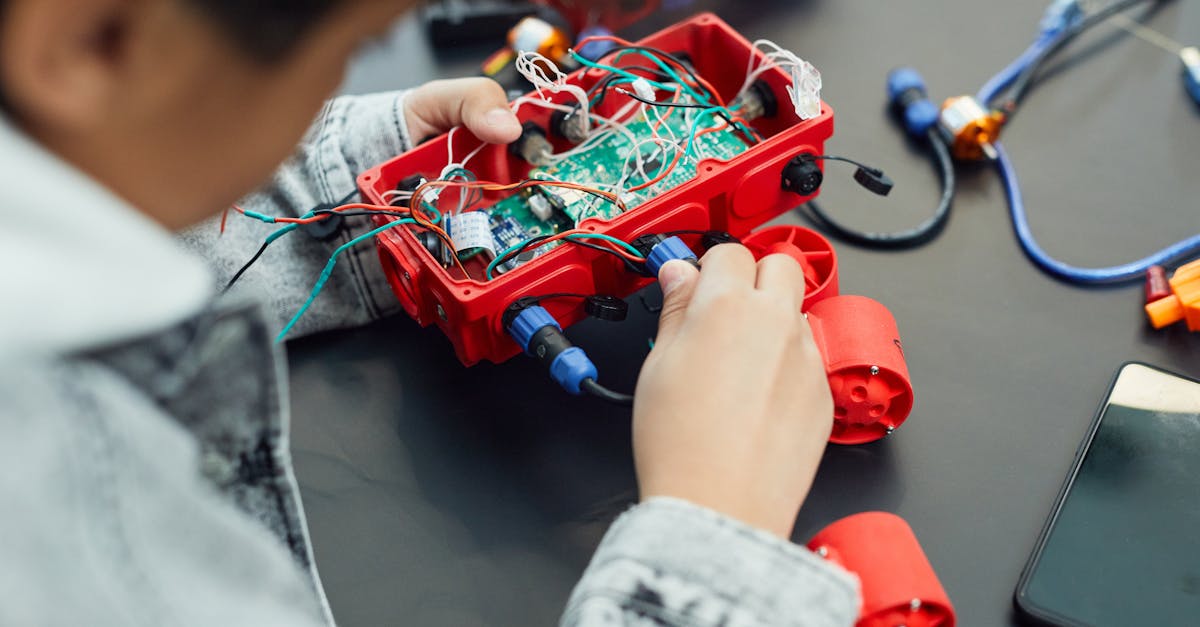
For Indian enterprises considering domestic robotics procurement, pricing remains a critical factor. Due to the lack of economies of scale and the component import burden, domestic industrial robots often cost more than their Chinese counterparts.
Approximate INR Pricing (Estimates):
- Industrial Robotic Arm (Domestic Assembly): ₹8 Lakhs to ₹20 Lakhs ($10,000 - $25,000 USD) depending on payload and reach.
- Humanoid Robot Prototype (Domestic Startups): ₹50 Lakhs to ₹1 Crore ($60,000 - $120,000 USD). These are typically sold to research institutions or pilot partners, not for general commercial deployment.
- Commercial Humanoid (Future Target): The industry aim is to bring this down to ₹15 Lakhs ($18,000 USD) to compete with human labor costs in manufacturing.
It is important to note that these figures fluctuate based on exchange rates and component availability. For instance, a domestic industrial arm might cost ₹12 Lakhs, whereas an imported equivalent from a major Chinese OEM might be available at ₹6 Lakhs. The incentive schemes aim to close this gap over the next five years.
The Humanoid Challenge in India
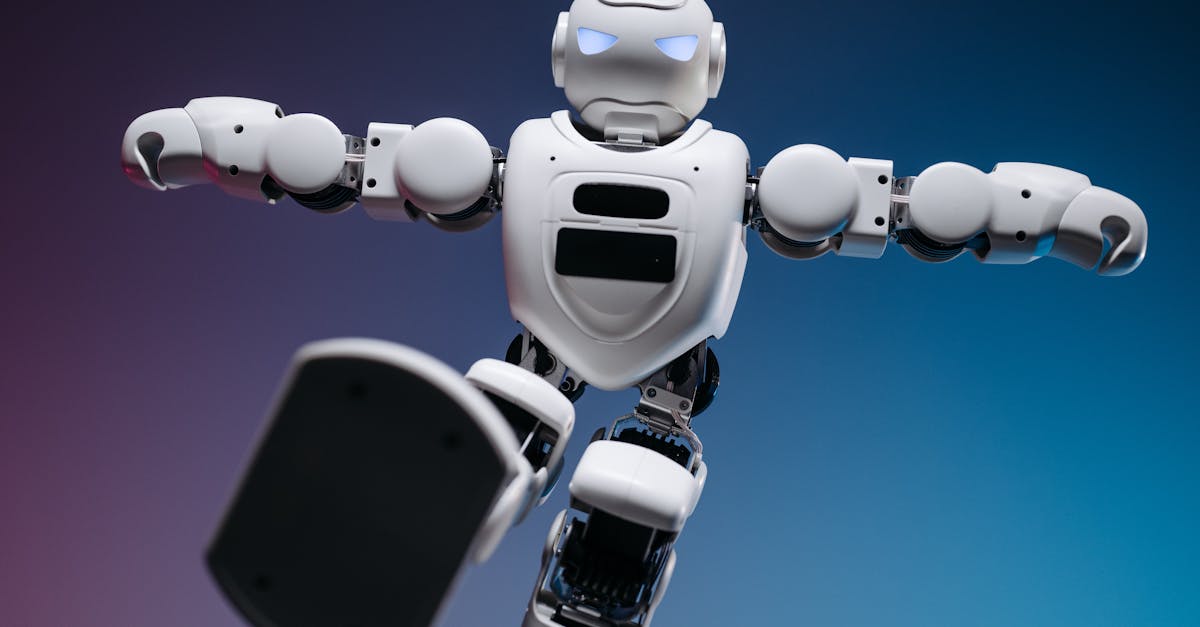
Humanoid robotics represents a unique challenge for the “Make in India” initiative. Unlike fixed automation, humanoids require complex integration of software, mechanical durability, and safety protocols. The Indian market is currently too fragmented to support a dedicated humanoid manufacturing hub.
Deployment Status:
- Shipping Hardware: Limited to industrial arms and specific defense platforms (e.g., Srijan Dynamics).
- Pilot Deployments: Soma Robotics and others are testing in controlled environments (factories, labs) but have not entered general commercial service.
- Announcements: Various startups claim “working prototypes,” but independent verification of continuous operation is rare.
The lack of a standardized testing protocol for humanoids in India further complicates deployment. Unlike China, where government labs test for safety and compliance, India relies on third-party validation. This delay affects the speed of scale-up.
Investment and Funding Landscape
Funding has not been a shortage, but rather a mismatch of expectations. Venture capital firms have invested in Indian robotics startups, but the capital intensive nature of hardware manufacturing often outpaces the funding runway. Indian investors have shown a preference for software-heavy robotics (AI, Computer Vision) over hardware-heavy builds (actuators, sensors).
This has led to a bifurcation:
- Hardware Startups: Struggle with CapEx for tooling and factories.
- Software Startups: Flourish with low overhead but lack the hardware leverage.
The PLI scheme attempts to address this by offering cash incentives on incremental sales. However, to benefit, a company must first achieve sales. This “chicken and egg” problem remains a barrier for new entrants in the humanoid space.
Conclusion: The Path to Manufacturing
India’s robotics sector is transitioning from a service-based model to a manufacturing model. The policy framework is in place, with PLI schemes and FDI liberalization providing the necessary scaffolding. However, the hardware reality lags behind the policy announcements.
For the humanoid robot specifically, the timeline for “Made in India” mass production is likely 5 to 7 years out. Current efforts should focus on component localization (actuators, sensors) and pilot deployments in high-value sectors (defense, space, high-end manufacturing). Until the supply chain matures, Indian robotics will remain an integrator rather than a pure manufacturer.
Investors and buyers must prioritize shipping hardware over announcements. The presence of a prototype video does not equate to a shipping product. As the ecosystem matures, the distinction between “Made in India” and “Assembled in India” will become less relevant as domestic component sourcing increases. For now, the focus must remain on verifying the hardware, validating the deployment, and understanding the landed cost implications.
References
- Department for Promotion of Industry and Internal Trade (DPIIT): PLI Scheme for Electronics Manufacturing. Available at dpit.gov.in.
- Soma Robotics: Official website and press releases regarding humanoid prototypes. Available at somarobotics.com.
- Srijan Dynamics: Public information on defense and industrial robotics supply. Available at srijandynamics.com.
- NITI Aayog: Draft National Robotics and Automation Strategy. Available at niti.gov.in.
- Ministry of Commerce and Industry: FDI Policy for Robotics. Available at commerce.gov.in.
✓ Key takeaways
- •Hands-on view of Make-in-India Robotics: Policy, Incentives, and the Reality of Domestic Manufacturing inside our Make-in-India Robotics library.
- •Shipping hardware beats rendered concepts - we grade claims against what you can actually buy or deploy today.
- •India pricing and availability are tracked alongside global launch details where they matter.
References
Related articles
More in Make-in-India Robotics →