
Rehabilitation Exoskeletons: Clinical Evidence, Hardware Availability, and the Indian Market Context
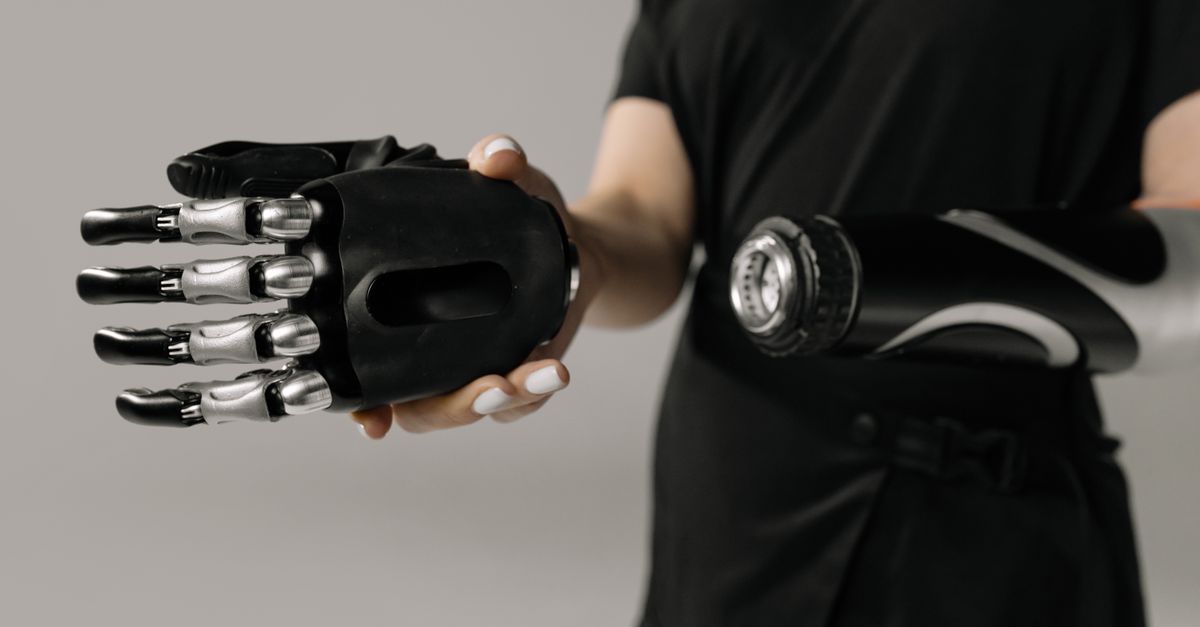
Introduction to Rehab Exoskeletons
Rehabilitation exoskeletons represent a specific subset of wearable robotics designed for clinical and therapeutic applications rather than industrial augmentation. Unlike consumer-grade wearables or speculative humanoid concepts, these devices are classified as medical devices intended to assist patients with neurological or physical impairments in regaining ambulation. The primary use cases include spinal cord injury (SCI), stroke, multiple sclerosis (MS), and cerebral palsy. The core value proposition is not merely mobility, but neuroplasticity—the brain's ability to reorganize itself by forming new neural connections through repetitive motion.
This article evaluates the current state of the technology based on shipping hardware, pilot deployments, and peer-reviewed clinical evidence. It avoids marketing hyperbole to focus on what is technically feasible and commercially accessible today. A critical section addresses the Indian healthcare landscape, including regulatory hurdles under the Central Drugs Standard Control Organization (CDSCO) and the prohibitive capital expenditure (CAPEX) involved in acquisition.
The Hardware Reality Check
The distinction between a research prototype and a commercial product is often blurred in the robotics sector. For a device to be considered in the shipping tier, it must have FDA 510(k) clearance, CE marking as a Class IIa medical device, or equivalent regulatory approval in the target jurisdiction. Shipping hardware implies that a hospital can order a unit, receive it, and bill for it under specific insurance codes.
Rehabilitation exoskeletons generally fall into two categories: active and passive. Active exoskeletons utilize motors, actuators, and sensors to generate torque and assist movement. Passive exoskeletons use springs and dampers to store energy without power. The devices discussed here—ReWalk, Ekso, and Cyberdyne HAL—are active systems requiring battery power, structural locking mechanisms, and sophisticated control algorithms to detect the intent to move.
Key Market Players and Specifications
ReWalk Robotics: The ReStore System
ReWalk Robotics, based in Israel and the US, is a leading manufacturer of exoskeletons for paraplegic patients. Their flagship product for rehabilitation is the ReStore Exoskeleton. Unlike the ReWalk Personal, which is often used for home mobility, the ReStore is designed specifically for clinical therapy sessions.
Key technical specifications for the ReStore include a lightweight aluminum frame, battery-operated hip and knee actuators, and a gait controller. The device supports a user weight of up to 120kg and provides active extension of the hip and knee joints. The system relies on a wearable control unit that detects motion intent through sensors placed on the user's torso. Clinical protocols typically involve 30 to 60-minute sessions, repeated multiple times per week.
ReWalk has published data indicating improvements in walking speed and functional independence measures (FIM) scores. However, the hardware is strictly prescribed for individuals with incomplete spinal cord injuries or stroke victims. It is not a medical cure, but a tool for physical therapy. The device does not function as a full-time mobility aid for most users due to weight and battery constraints.
Ekso Bionics: The EksoNR
2Ekso Bionics, headquartered in the US, focuses heavily on the rehabilitation market through its EksoNR (Neuro Rehabilitation) system. This device is distinct from the Ekso GT, which is often used for industrial lifting or broader mobility. The EksoNR is specifically cleared for stroke and SCI rehabilitation.
The EksoNR features a lightweight, durable design with a focus on patient comfort. It utilizes electric motors at the hip and knee to assist in flexion and extension. The system includes a user interface that tracks progress, allowing therapists to adjust resistance and range of motion in real-time. This data tracking is crucial for insurance providers and clinical audits to demonstrate therapeutic progress.
Ekso has secured insurance reimbursement codes in the US (such as CPT codes for orthotic devices), which is a significant milestone for commercial viability. This means hospitals can recoup a portion of the CAPEX through patient billing. The hardware is designed to be used in a standing position, which is critical for reducing spasticity and improving bone density in immobilized patients.
Cyberdyne HAL: The Medical Variant
Cyberdyne Inc., a Japanese robotics firm, is best known for the HAL (Hybrid Assistive Limb) suit. While the industrial HAL is used for logistics, the medical variant (HAL Medical) is designed for rehabilitation and care assistance. HAL utilizes a unique controller that reads bio-electric signals from the skin surface (surface electromyography) to detect the user's movement intent.
This bio-signal control allows for a high degree of synchronization between the user's effort and the machine's assistance. In a rehabilitation context, this feedback loop is intended to strengthen neural pathways. The HAL Medical system is available in Japan with PMDA (Pharmaceuticals and Medical Devices Agency) approval and has seen pilot deployments in European and US clinical trials.
However, the HAL system's complexity makes it less common in developing markets. The reliance on specific sensors and the proprietary nature of the control algorithms create a barrier to entry. Unlike the ReWalk or Ekso, which have more standardized interfaces, HAL requires specific training for therapists to operate safely.
Clinical Evidence and Efficacy
The primary justification for acquiring these systems is clinical evidence. A 2020 systematic review published in the Spinal Cord journal analyzed the efficacy of exoskeleton-assisted training in spinal cord injury patients. The findings suggested that while exoskeletons improve cardiovascular health and bone mineral density, the translation to overground walking without assistance remains a challenge for many patients.
Key clinical outcomes measured include:
- Walking Speed: Some patients show improvement in walking speed during assisted gait, but this does not always transfer to unassisted walking.
- Spasticity Reduction: Regular use of exoskeletons has been linked to a reduction in muscle spasticity, a common issue in SCI and stroke patients.
- Functional Independence: Patients often report improved ability to perform daily tasks, even if the device is not worn.
However, it is crucial to note that these devices are not FDA-approved cures for paralysis. They are Class II medical devices intended to support therapy. Claims suggesting they restore full motor function without the underlying nerve regrowth are scientifically unsupported. The hardware facilitates the therapy; it does not perform the biological repair.
The Indian Market Context
The availability of rehabilitation exoskeletons in India is currently limited. High CAPEX is the primary barrier. A typical unit of the ReStore or EksoNR can cost between $80,000 and $150,000 USD. When factoring in import duties, GST (Goods and Services Tax), and logistics, the landed cost in India can range from ₹70 Lakhs to over ₹1.5 Crores per unit.
For most Indian private hospitals, this investment is difficult to justify without significant government subsidy or insurance reimbursement frameworks. Currently, there is no specific CPT code equivalent in India for exoskeleton-assisted therapy that allows hospitals to bill the patient directly for the device usage. This places the burden of cost entirely on the hospital or the patient.
Regulatory approval via CDSCO is a mandatory step. Medical devices must be classified under the Medical Device Rules, 2017. While ReWalk and Ekso have CE marks, CDSCO approval requires local clinical trials or validation by Indian authorities. This process can take 18 to 24 months. As of 2024, there are no large-scale commercial deployments of Western-grade exoskeletons in Indian public hospitals.
There is potential for localized manufacturing. Indian robotics startups are beginning to explore exoskeleton prototypes for stroke rehabilitation, focusing on lower-cost, passive or semi-active designs. These solutions aim to compete on price and adaptability to the local demographic. However, they currently lag behind the active motorized capabilities of ReWalk or Ekso in terms of payload and gait accuracy.
Conclusion
Rehabilitation exoskeletons like ReWalk, Ekso, and Cyberdyne HAL represent the high-end of assistive technology. They are proven tools for specific clinical outcomes, primarily in stroke and incomplete SCI rehabilitation. The technology is not speculative; it is shipping hardware available in North America and Europe.
However, the Indian market faces significant economic and regulatory hurdles. The high landed cost excludes most private payers, and the lack of reimbursement codes limits hospital adoption. For Indian healthcare providers, the focus should remain on pilot programs and partnerships with manufacturers to validate the ROI before committing to large-scale procurement.
Until the cost of active motors and sensors reduces, or until local manufacturing scales up, these devices will remain niche assets for elite rehabilitation centers rather than standard medical equipment. The future lies in lowering the entry barrier while maintaining clinical efficacy.
References
- ReWalk Robotics. (2023). ReStore Exoskeleton Clinical Specifications. Retrieved from https://rewalk.com/products/restore/
- Ekso Bionics. (2023). EksoNR Neuro Rehabilitation System. Retrieved from https://www.ekbionics.com/products/eksonr/
- Cyberdyne Inc. (2023). HAL Medical System. Retrieved from https://www.cyberdyne.jp/english/product/medical/
- Spinal Cord Journal. (2020). Exoskeleton-assisted training for spinal cord injury: A systematic review. https://www.nature.com/sc/
- Central Drugs Standard Control Organization (CDSCO). (2017). Medical Device Rules. https://cdsco.gov.in/
✓ Key takeaways
- •Hands-on view of Rehabilitation Exoskeletons: Clinical Evidence, Hardware Availability, and the Indian Market Context inside our Rehab Exoskeletons library.
- •Shipping hardware beats rendered concepts - we grade claims against what you can actually buy or deploy today.
- •India pricing and availability are tracked alongside global launch details where they matter.
References
Related articles
More in Rehab Exoskeletons →