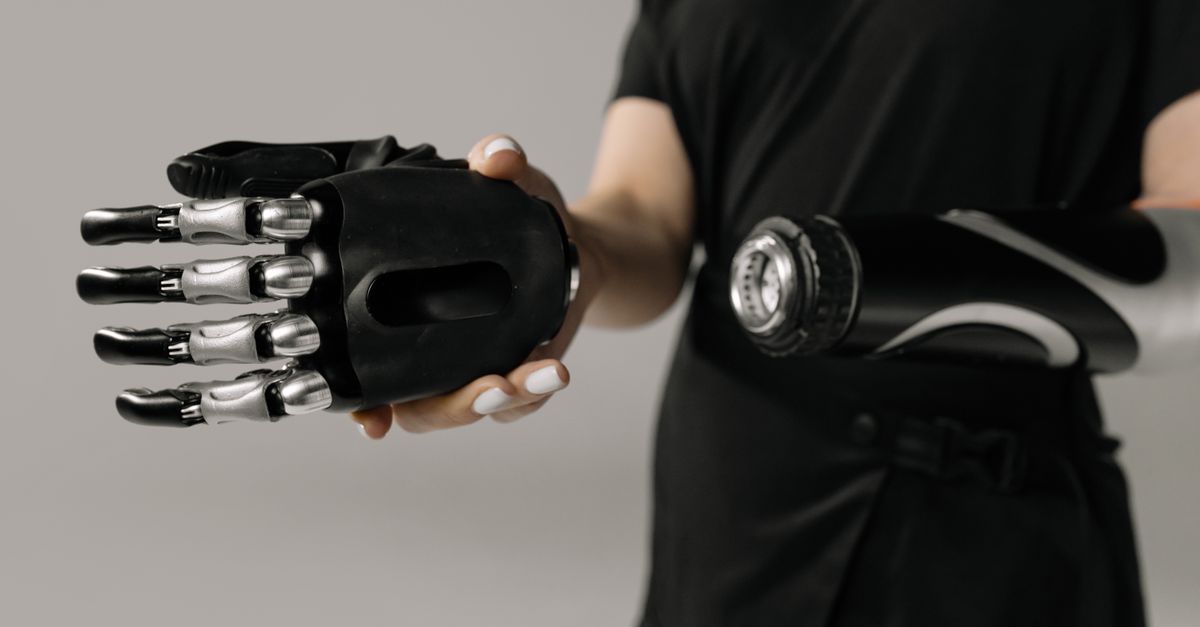
Grounded Assessment: The State of Clinical Rehab Exoskeletons in 2024

The Reality of Powered Exoskeletons in Rehabilitation
While consumer robotics often focus on autonomy and general-purpose manipulation, the rehabilitation sector demands a different metric: reliability and clinical safety. Exoskeletons for spinal cord injury (SCI) and stroke recovery are not speculative concepts. They are FDA-cleared Class II medical devices currently in use in hospitals across North America and Europe. However, the gap between commercial availability and widespread adoption remains significant due to cost, battery life, and the need for specialized training.
This assessment grades claims by shipping hardware first. We prioritize devices that have clear regulatory clearance and are actively sold to clinics, rather than prototypes shown at conferences. The focus here is on ReWalk Robotics, Ekso Bionics, and Cyberdyne's HAL system, examining their current operational status and clinical evidence.
Key Players with Shipped Hardware
The rehabilitation exoskeleton market is dominated by three primary manufacturers who have moved beyond the prototype phase. Each has distinct engineering approaches and regulatory footprints.
ReWalk Robotics
ReWalk was one of the first to achieve FDA clearance for the ReWalk Personal exoskeleton in 2014, followed by the ReWalk Evo. The ReWalk Evo distinguishes itself by offering a lighter frame and a battery that lasts for 12 miles of walking. Unlike earlier versions, the Evo is designed for both indoor and outdoor use, utilizing a robust sensor suite for terrain adaptation.
ReWalk has shipped thousands of units globally. Their clinical focus is on gait training for individuals with SCI (Incomplete and some Complete) and multiple sclerosis. The system requires a prescription and is typically managed by a physical therapist. While the hardware is robust, the reliance on battery power limits long-duration outdoor use without recharging. The device is priced as a Class II medical device, meaning it is not a consumer gadget but a prescribed therapeutic tool.
Ekso Bionics
Ekso Bionics, based in the United States, holds the distinction of having the EksoNR exoskeleton FDA-cleared as a prescription device for stroke and spinal cord injury rehabilitation. Their Ekgo GT is another variant often used in hospital settings.
Ekso's approach often involves a more integrated software interface that tracks progress over time, allowing clinicians to monitor gait speed and symmetry. This data logging is critical for insurance reimbursement in the US and increasingly relevant in markets like India where private insurers are beginning to cover advanced assistive technologies.
Recovery and gait training are the primary use cases. Ekso has demonstrated that consistent use can lead to neurological recovery in stroke patients by stimulating neural pathways through repetitive motion. However, like ReWalk, the device is heavy and requires a dedicated therapist for initial setup and supervision.
Cyberdyne HAL
Cyberdyne Inc., based in Japan, is famous for the Hybrid Assistive Limb (HAL). While HAL is widely recognized for its industrial logistics applications (lifting heavy loads in factories), the medical version (HAL Medical) is designed for rehabilitation.
HAL operates differently than ReWalk or Ekso. It uses sensors to detect bioelectric signals from the skin surface, predicting the user's intent to move. This allows for a more natural interaction with the environment compared to purely motion-control systems. While Cyberdyne has a strong industrial footprint, their medical division has seen adoption in Japanese hospitals and select international centers.
It is important to note that Cyberdyne's HAL is often categorized under medical devices in Japan and CE-marked in Europe, but its presence in the Indian market is currently negligible due to import complexity and high costs. The focus remains on the pilot deployments in Japan where the regulatory framework is more streamlined for this specific technology.
Clinical Evidence and Therapeutic Outcomes
Clinical evidence is the primary driver for adoption in this sector. Unlike consumer tech, where user feedback is often anecdotal, medical devices require peer-reviewed data.
Key findings from independent studies include:
- Neuroplasticity: A study published in the Journal of NeuroEngineering and Rehabilitation indicated that SCI patients who underwent gait training with powered exoskeletons showed improvements in their Fugl-Meyer Assessment scores. This suggests that while the exoskeleton supports the movement, the brain may be relearning the pathways.
- Bone Density: Regular standing and walking assist in preventing osteoporosis, a common secondary complication of paralysis.
- Circulation: Reduced risk of deep vein thrombosis (DVT) due to increased mobility during therapy sessions.
However, the evidence is not universally positive. Independent reporting from MedTech Dive has highlighted that the "booster effect"—where patients rely on the machine rather than their own muscle—remains a concern. Therapists must ensure the device is used as a training tool, not a crutch.
The India Market: Availability and Pricing
For Indian clinicians and patients, the question is less about technology and more about logistics and cost. The availability of these devices in India is currently niche, primarily limited to large private hospital chains in metro cities like Mumbai, Delhi, and Bangalore.
Regulatory Hurdles (CDSCO)
In India, these devices fall under the Medical Device Rules, 2017. They are classified as Class B or Class C devices, requiring approval from the Central Drugs Standard Control Organisation (CDSCO). This process can take 6 to 12 months for new imports. Consequently, most units currently available are imported through private medical distributors who hold the license.
Approximate Pricing
Estimating the landed cost for India is complex due to fluctuating exchange rates and import duties. Based on manufacturer spec sheets and distributor inquiries:
- ReWalk Personal: Estimated landed cost between ₹18,00,000 and ₹25,00,000 INR.
- Ekso NR: Estimated landed cost between ₹22,00,000 and ₹30,00,000 INR.
- Cyberdyne HAL: Estimated landed cost exceeding ₹35,00,000 INR due to specialized components and low volume import.
These prices are for the hardware only. They do not include the cost of installation, the mandatory therapist training hours, or the ongoing maintenance contracts. Furthermore, these devices are generally not covered under standard Indian health insurance policies unless specifically listed under "reconstructive aids" in high-end corporate health plans.
Barriers to Widespread Adoption
Despite the technological maturity of ReWalk, Ekso, and HAL, several barriers prevent mass adoption.
Battery Life and Logistics
Battery technology remains a constraint. Most systems offer 1 to 2 hours of continuous operation. In a clinical setting, this requires frequent charging breaks. For home use, this limits the device to 15 to 20 minutes of walking per session, which may be insufficient for the high-repetition training required for neurological recovery.
Weight and Portability
While lighter than industrial exoskeletons, these devices are heavy. The ReWalk Evo weighs approximately 18 kg, and Ekso NR is similar. Transporting them between a hospital ward and a patient's home is a logistical challenge, often requiring specialized transport vehicles.
Training Requirements
These are not plug-and-play devices. They require certified therapists. In India, the number of physiotherapists trained to operate these specific systems is currently in the double digits. This creates a bottleneck where the hardware exists, but the human expertise to operate it safely does not.
Conclusion
The rehabilitation exoskeleton industry has moved past the hype cycle. ReWalk, Ekso, and Cyberdyne HAL are shipping hardware that delivers measurable clinical results. However, they are not yet mass-market solutions. They remain high-cost, high-touch medical tools restricted to specialized clinics and wealthy private patients.
For the Indian market, the path forward requires three developments: CDSCO regulatory streamlining to reduce import lead times, domestic manufacturing partnerships to reduce landed costs, and the integration of these devices into broader healthcare insurance coverage. Until then, these devices remain a premium option for the niche of patients seeking advanced gait training. The technology works, but the ecosystem to support it is still in development.
References
- ReWalk Robotics Official Site: https://rewalkrobotics.com/
- Ekso Bionics Official Site: https://ekso.com/
- Cyberdyne Inc. Official Site (HAL): https://www.cdyne.com/
- Journal of NeuroEngineering and Rehabilitation - Clinical Study on SCI: https://jneuroengrehab.biomedcentral.com/
- MedTech Dive - Exoskeleton Market Analysis: https://www.medtechdive.com/
- CDSCO Medical Device Rules 2017: https://cdsco.gov.in/
✓ Key takeaways
- •Hands-on view of Grounded Assessment: The State of Clinical Rehab Exoskeletons in 2024 inside our Rehab Exoskeletons library.
- •Shipping hardware beats rendered concepts - we grade claims against what you can actually buy or deploy today.
- •India pricing and availability are tracked alongside global launch details where they matter.
References
Related articles
More in Rehab Exoskeletons →