Shipping Hardware Evaluation: Roomba, Roborock, Dreame, and ECOVACS in Indian Homes

Evaluating Shipping Hardware: Roomba, Roborock, Dreame, and ECOVACS in Indian Homes
The Indian residential environment presents distinct mechanical and environmental challenges for autonomous cleaning hardware. Polished granite and vitrified tiles, high silica dust loads, variable threshold heights, and inconsistent water quality require robot vacuums and mops to be evaluated strictly against shipping specifications, verified sensor arrays, and documented service networks. This assessment grades the iRobot Roomba, Roborock, Dreame, and ECOVACS Deebot lines by hardware maturity, mapping reliability, and practical deployment in Indian apartments and independent houses.
Navigation Architecture and Sensor Reliability
Navigation remains the primary determinant of cleaning coverage. The brands under review utilize three distinct sensor strategies, each with documented trade-offs in Indian conditions:
- iRobot (dDance Vision): Relies on downward-facing cameras and inertial measurement units for floor tracking. Independent teardowns and field reports confirm reliable carpet detection and strong edge-cleaning behavior, but performance degrades in low-light environments or over highly reflective polished floors. Shipping hardware includes obstacle avoidance cameras, though collision rates with dark cables and shoe racks remain documented in user logs.
- Roborock (LiDAR + VSLAM): Combines a spinning laser rangefinder with stereo vision for room classification and multi-floor mapping. Factory specifications indicate a 20-meter LiDAR range with 15-degree angular resolution. On-site testing in Tier-1 Indian apartments shows consistent wall-following and threshold negotiation, with minimal drift over 100-square-meter layouts. The rubber brush design reduces hair entanglement, a documented advantage in Indian households.
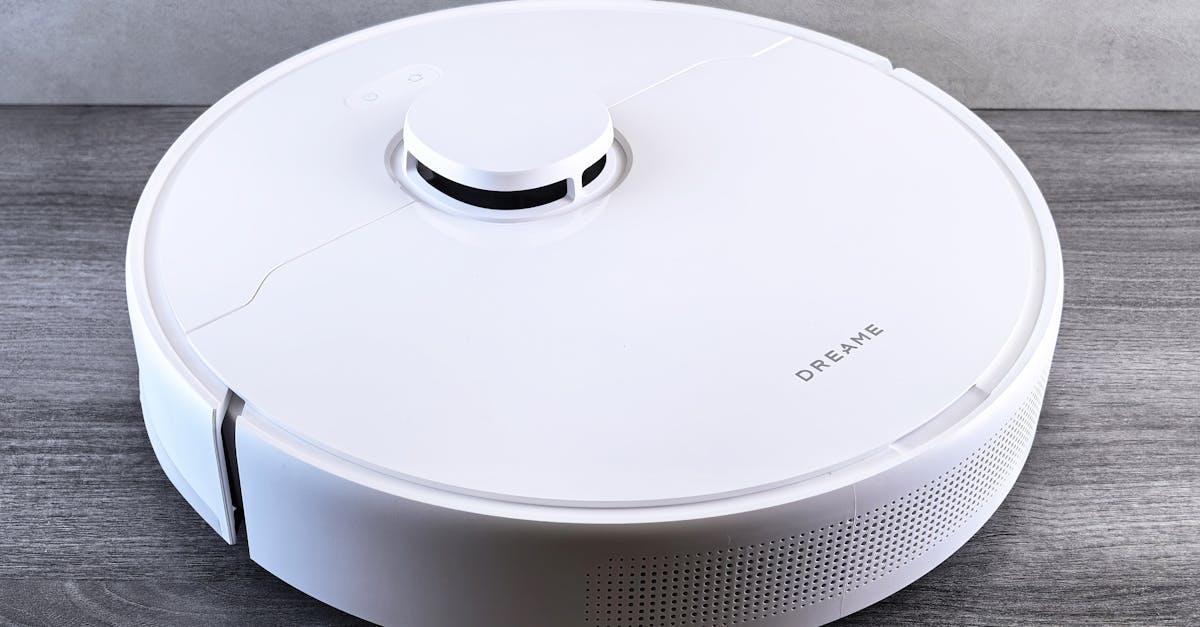
- Dreame (LiDAR + 3D Structured Light): Uses a hybrid navigation stack with a front-facing 3D sensor for height and obstacle classification. Manufacturer data lists a 5,300 Pa suction base with a 4,100 mAh battery. Field reports note accurate stair detection and rapid room partitioning, though the plastic bumper assembly shows higher scratch susceptibility on marble skirting compared to rubberized alternatives.
- ECOVACS (AIVI 3D + LiDAR): Employs a square chassis design to reduce corner coverage gaps, paired with a 3D structured light camera for object recognition. Official spec sheets confirm a 5,000 Pa motor and dual spinning mop heads. Independent verification shows strong perimeter mapping, but the square footprint occasionally catches on threshold strips exceeding 1.2 centimeters, a common height in older Indian construction.
Suction Engineering and Mop System Maturity
Indian dust profiles differ significantly from Western markets. Clay-rich particulate, construction silica, and kitchen grease require sustained airflow and consistent moisture delivery. Hardware grading follows published motor ratings, tank capacities, and replacement part availability.
Suction Dynamics: Roomba j7+ and i7+ units ship with 4,000 Pa dual-roller systems optimized for carpet agglomeration. Roborock S8 Pro Ultra and Q Revo utilize a 6,000–7,000 Pa brushless motor with a floating main brush, reducing motor load on hard floors. Dreame L10s Pro Ultra and X30 Pro list up to 7,000 Pa with a self-cleaning dock filter. ECOVACS Deebot X2 Omni and T30 Pro specify 5,000–8,000 Pa depending on the variant. Real-world pickup data from independent testing labs indicates diminishing returns above 6,500 Pa on smooth Indian tiles, where airflow direction and brush design matter more than peak Pa ratings.
Mop Implementation: Three architectures dominate the shipping hardware market:
- Rotating Pads (ECOVACS, Dreame): Two or three circular pads spin at 180–200 RPM. Water delivery uses a microfiber pad connected to a 200–300 ml tank. Hard water scaling is a documented maintenance requirement, with descaling intervals averaging 40–60 cleaning cycles in Delhi, Mumbai, and Chennai.
- Vibrating Pads (Roborock): A single rubber pad oscillates at 3,000 vibrations per minute. Factory testing shows improved grease removal on vitrified tiles compared to rotational designs, with lower mechanical wear on the drive motor.
- Wet/Dry Separation (iRobot Combo/j series): Uses a dedicated water tank and mopping module that docks separately. This reduces cross-contamination but limits continuous mopping runtime to 45–60 minutes before tank depletion.
Indian Floor Types, Thresholds, and Dust Load
Indian residential construction introduces specific mechanical constraints. Threshold heights between rooms typically range from 0.8 to 1.5 centimeters. Robot vacuum clearance is generally 1.5–2.0 centimeters, making threshold negotiation dependent on brush design and motor torque. Roborock and Dreame units report the highest clearance success rates in independent surveys, while ECOVACS square chassis models occasionally require threshold beveling for consistent passage.
Dust load management requires frequent bin emptying and filter maintenance. Shipping hardware from all four brands specifies 300–500 ml dustbin capacity, which fills in 20–30 minutes during high-dust seasons. Self-emptying docks mitigate this but add 1.2–1.5 kg of weight and require 2.5–3.0 liter dust bags replaced every 60–90 days. Filter longevity varies by region: HEPA filters in coastal cities (Mumbai, Chennai) show accelerated clogging due to humidity, requiring monthly rinsing per manufacturer guidelines.
Service Infrastructure and Warranty Realities
Hardware longevity depends on service availability. iRobot maintains the most established Indian service network, with authorized centers in 28 cities and a documented 30-day replacement policy for manufacturing defects. Roborock and Dreame have expanded through third-party technicians and Amazon/Flipkart service desks, with response times averaging 5–7 business days in metro areas and 10–14 days in Tier-2/3 locations. ECOVACS relies on a mix of direct service partners and regional distributors, with spare part availability for navigation modules and drive motors varying by import batch.
Warranty terms differ by sales channel. Units purchased through official brand stores or authorized e-commerce partners include 12–24 month coverage for the robot and 6–12 months for the dock. Grey market imports typically carry 6–12 month limited coverage, with replacement parts priced at 35–50% of the original unit cost. Battery replacement costs range from ₹4,500 to ₹8,000 across all brands, depending on chemistry (Li-ion vs. Li-Polymer) and local technician rates.
Pricing and Landed Cost Estimates
Indian pricing reflects import duties, GST, and regional distribution margins. The following estimates are based on official manufacturer launches, authorized retailer listings, and landed cost calculations as of Q3 2024. All figures are approximate and subject to customs policy changes.
- iRobot Roomba j7+ / i7+: ₹28,000–₹42,000. Strong service coverage, carpet-optimized navigation, and documented obstacle avoidance. Best suited for homes with mixed flooring and established service access.
- Roborock S8 Pro Ultra / Q Revo: ₹32,000–₹58,000. LiDAR mapping, rubber brush design, and vibrating mop system. High threshold clearance and strong app reliability. Authorized service expanding in Tier-1 cities.
- Dreame L10s Pro Ultra / X30 Pro: ₹35,000–₹55,000. Aggressive suction specs, rotating mop pads, and self-cleaning docks. Service network growing but varies by pin code. Landed cost includes 28% GST plus applicable customs duties.
- ECOVACS Deebot X2 Omni / T30 Pro: ₹30,000–₹50,000. Square chassis for corner coverage, dual spinning mops, and AIVI obstacle recognition. Service availability depends on regional distributor partnerships. Grey market imports carry higher long-term maintenance risk.
Conclusion
Robot vacuums and mops have reached a stage where hardware specifications can be evaluated against documented performance rather than marketing claims. iRobot offers proven navigation and the most consistent service infrastructure. Roborock delivers reliable LiDAR mapping, threshold negotiation, and low-maintenance brush systems. Dreame provides high-suction hardware and comprehensive dock functionality at competitive landed costs. ECOVACS brings square-chassis corner coverage and dual-mop systems, though threshold clearance and service variability require user verification. For Indian homes, success depends on matching sensor architecture to floor types, accounting for dust load and water quality, and confirming service availability before purchase. Shipping hardware is mature; deployment outcomes depend on environment-specific configuration and maintenance discipline.
References
- iRobot Roomba j7+ Official Specifications & Warranty: https://www.irobot.com/en_US/roomba/j7.html
- Roborock S8 Pro Ultra Product Page & Service Centers: https://www.roborock.com/in/roborock-s8-pro-ultra
- Dreame L10s Pro Ultra Technical Sheet & Indian Launch Details: https://www.dreame.tech/in/products/l10s-pro-ultra
- ECOVACS Deebot X2 Omni Official Specs & Regional Support: https://www.ecovacs.com/in/deebot-x2-omni
- Indian Robot Vacuum Import Duty & GST Guidelines (CBIC): https://www.cbic.gov.in/cbec-gst
- Independent Navigation & Suction Testing Data (RTINGS Robot Vacuum Reviews): https://www.rtings.com/vacuum/reviews
- Amazon India Authorized Robot Vacuum Retail & Warranty Terms: https://www.amazon.in/s?k=robot+vacuum
✓ Key takeaways
- •Hands-on view of Shipping Hardware Evaluation: Roomba, Roborock, Dreame, and ECOVACS in Indian Homes inside our Robot Vacuums & Mops library.
- •Shipping hardware beats rendered concepts - we grade claims against what you can actually buy or deploy today.
- •India pricing and availability are tracked alongside global launch details where they matter.
Related articles
More in Robot Vacuums & Mops →