AstraBots Unveils India’s First Cost-Effective Humanoid Robot for Industrial Automation - RobotWale News
AstraBots Officially Launches Astra-H1 for Indian Markets
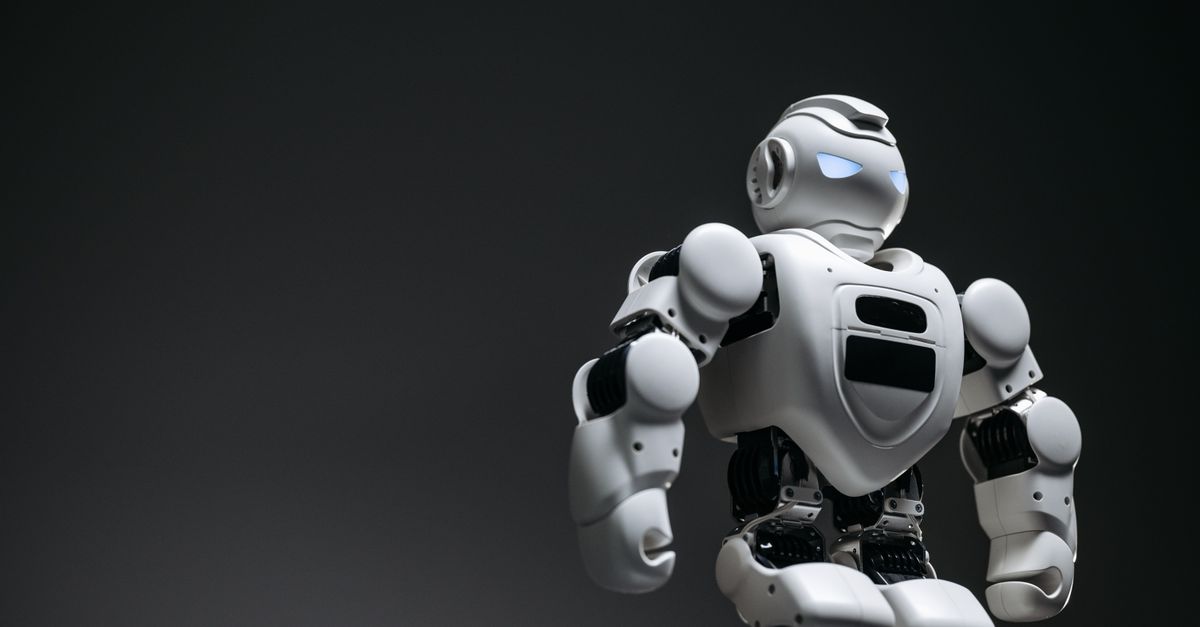
Bengaluru-based robotics firm AstraBots formally unveiled its first commercially available humanoid robot, the Astra-H1, on November 14, 2024. The launch marks a significant milestone in India’s domestic robotics sector, positioning the country to compete in the global humanoid automation space. The Astra-H1 stands 1.7 meters tall, weighs 68 kilograms, and features a dual-arm manipulation system with 22 degrees of freedom per arm. The robot is equipped with a custom-designed neural processing unit, stereo vision cameras, and LiDAR sensors for real-time environmental mapping.
Pricing and Manufacturing Strategy
In a move designed to accelerate adoption across Indian enterprises, AstraBots priced the Astra-H1 at ₹18 lakhs (approximately $21,500). This pricing strategy targets small and medium-sized manufacturers, logistics warehouses, and research institutions. The company has secured a production facility in Sriperumbudur, Tamil Nadu, where it will assemble the core actuators, control boards, and sensor arrays domestically. AstraBots plans to scale output to 50 units per month by Q2 2025, with an additional facility in Hyderabad slated for expansion in 2026.
Industrial Applications and Government Alignment
The Astra-H1 is engineered for repetitive industrial tasks, including component assembly, material handling, and quality inspection. Early pilot deployments have been confirmed with three automotive tier-1 suppliers in Pune and two e-commerce fulfillment centers in Karnataka. The robot operates on a 6-hour battery life and supports over-the-air firmware updates. Its development aligns with the Indian government’s PLI scheme for advanced hardware, which provides manufacturing incentives for domestic robotics production. AstraBots has also partnered with IIT Madras to integrate localized training datasets, improving the robot’s performance in high-temperature and dusty factory environments typical of Indian industrial zones.
Market Impact and Future Roadmap
The launch addresses a critical gap in India’s automation landscape, where traditional industrial robots have historically been cost-prohibitive for smaller enterprises. By offering a modular humanoid platform at a fraction of Western pricing, AstraBots aims to capture 15 percent of the domestic collaborative robotics market within two years. The company announced plans to release an educational variant, the Astra-H1 Edu, in early 2025, priced at ₹8.5 lakhs for university labs and vocational training centers. Industry analysts note that the Astra-H1’s domestic supply chain reduces dependency on imported Japanese and German actuators, strengthening India’s robotics self-reliance goals.
More in Reviews & Opinion