Boston Dynamics Unveils Electric Atlas; Indian Labs Target Cost Reduction - RobotWale News

Electric Atlas Deployment and Specifications
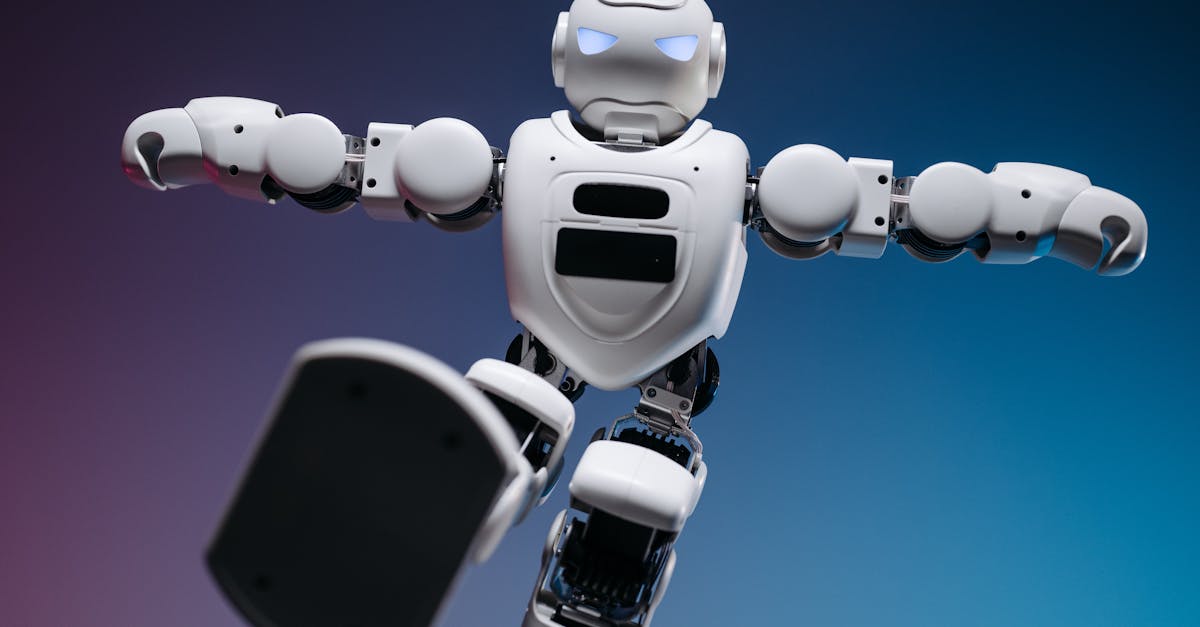
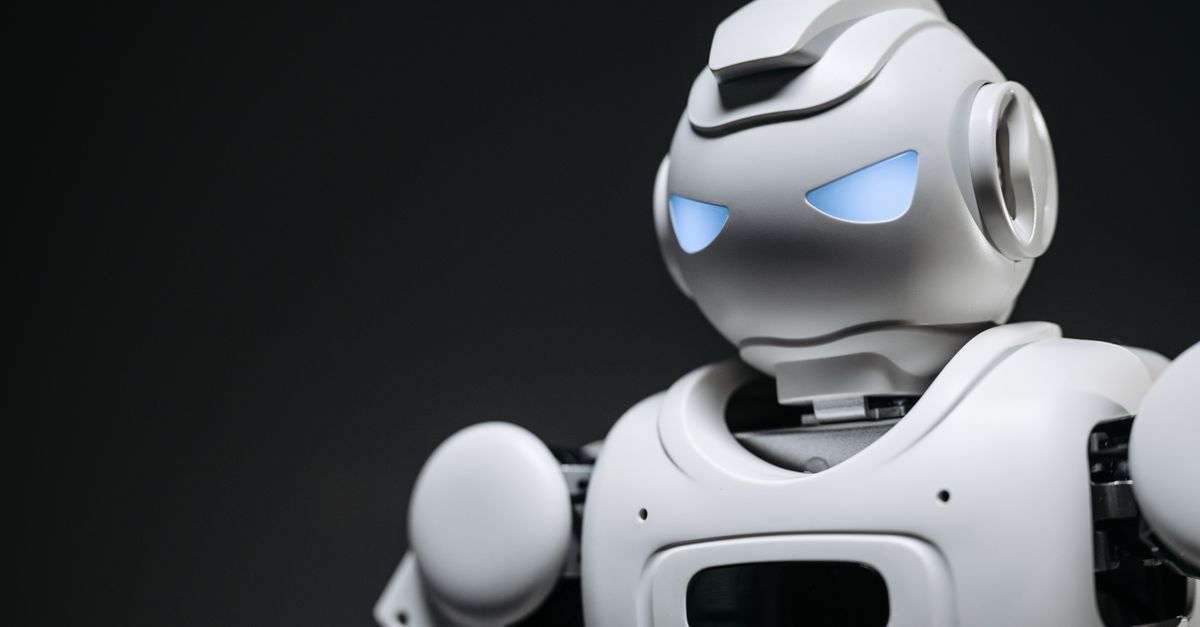
Boston Dynamics has officially unveiled the latest iteration of its Atlas humanoid robot, marking a pivotal shift toward fully autonomous, untethered operation. The update, announced during the International Conference on Robotics and Automation (ICRA), introduces a complete transition to electric actuation, replacing previous hydraulic systems with high-torque electric motors. The update succeeds the hydraulic Gen 3 model, which required a trolley for power. The new electric architecture utilizes solid-state battery technology, reducing weight by 15% while doubling power output. This change significantly enhances energy efficiency, enabling operation times of up to four hours on a single charge. The new Atlas features a redesigned skeletal structure with improved range of motion and a 360-degree camera system, allowing for advanced spatial awareness without external computing units. The robot can now perform dynamic movements, including parkour and rapid obstacle navigation, with greater stability and precision.
India Relevance and Manufacturing Potential
For India's burgeoning robotics sector, the electric Atlas represents both a benchmark and an opportunity. IIT Madras's RoboHub and Tata Research, Development and Design Centre (T-RDDC) have initiated analysis of the open-source simulation data released alongside the hardware. Indian engineering firms are focusing on the actuator technology, which could be localized to reduce dependency on imported components. Startups like Sarvatra Technologies and GreyOrange are reportedly evaluating the electric actuator designs for integration into their existing warehouse automation arms, potentially creating hybrid humanoid units tailored for Indian logistics hubs. Industry analysts estimate that while the commercial Atlas unit carries a price tag exceeding $1 million, domestic manufacturing of similar electric actuators and sensors in India could bring the cost of functional humanoid robots for industrial applications down to the $50,000 to $70,000 range by 2026. This price point would make humanoid automation viable for India's automotive and electronics assembly lines.
Research Lab Adoption and SDK Integration
The research community is responding rapidly to the new specifications. Several Indian AI labs, including those affiliated with the IndiaAI Mission, are integrating the Atlas simulation environment into their reinforcement learning pipelines. These labs are using the electric model's high-fidelity physics data to train policies for bipedal locomotion on uneven terrain, a critical requirement for India's diverse infrastructure environments. The availability of detailed kinematic data allows Indian researchers to validate their control algorithms against a world-class standard. Additionally, the IndiaAI Mission is funding a dedicated 'Humanoid Safety' working group to establish testing protocols aligned with the new Atlas capabilities. This ensures that Indian-developed control software meets international safety standards before deployment in mixed-reality workspaces. Furthermore, the shift to electric power aligns with India's push for sustainable automation, as electric systems offer easier maintenance and lower noise profiles compared to hydraulic counterparts. The convergence of open simulation data and domestic AI talent positions India as a key player in the global development of safe, adaptive humanoid agents.
More in Reviews & Opinion