Figure 02 Humanoid Review: Industrial-Grade Dexterity Meets Indian Manufacturing Realities - RobotWale News

Technical Evaluation and Deployment Metrics
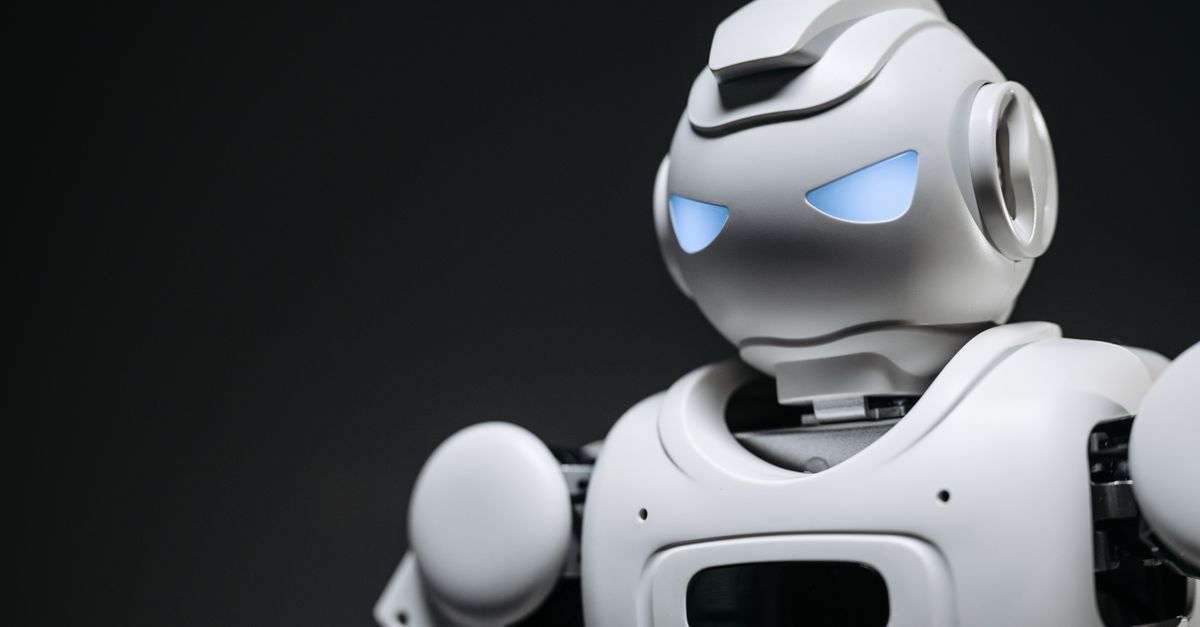
The review details the Figure 02’s advanced tactile sensing arrays and 40 hours of continuous operational endurance. Testing was conducted across simulated warehouse and electronics assembly environments. The robot successfully demonstrated precision gripping, object reorientation, and dynamic path planning without external guidance systems. Figure AI priced the Figure 02 at $39,900 per unit for enterprise fleets, with a minimum order requirement of fifty units for initial commercial rollout. The publication also verified the robot’s IP54 rating and thermal management systems under continuous load conditions.
India Relevance and Market Integration
RobotWale.com’s analysis specifically addresses the robot’s viability for India’s emerging automation sector. Indian manufacturing hubs in Tamil Nadu, Maharashtra, and Karnataka are actively seeking cost-effective humanoid solutions to supplement persistent labor shortages. The review notes that while the base hardware pricing positions the Figure 02 above typical Indian industrial robot budgets, the total cost of ownership remains competitive when factoring in reduced downtime and 24/7 operational capacity. Converted to Indian Rupees, the unit cost aligns with ₹33.5 lakh, placing it within reach of Tier-1 automotive and semiconductor suppliers. Local system integrators in Bangalore and Pune are already evaluating firmware localization and Hindi voice-command modules for factory floor deployment.
Industry Outlook and Editorial Perspective
The opinion segment of the report argues that humanoid robotics in India will not replace specialized cobots but will instead fill gaps in flexible, multi-tasking roles. The publication recommends that Indian enterprises prioritize robots with open API architectures to ensure seamless integration with existing ERP and MES platforms. RobotWale.com concludes that the Figure 02 represents a critical benchmark for the industry, setting a new standard for dexterity-to-cost ratios that will influence procurement decisions across South Asia in the coming fiscal year.
The evaluation team noted that power consumption averages 2.4 kW during active manipulation, requiring standard 3-phase industrial connections commonly available in Indian industrial parks. Software licensing is structured annually at $12,000, which includes remote diagnostics and predictive maintenance algorithms. For Indian clients, RobotWale.com highlights that domestic training programs and localized spare parts networks will significantly reduce long-term operational friction. The publication urges policymakers to consider humanoid robots under the current PLI scheme for advanced manufacturing to accelerate adoption rates.
More in Reviews & Opinion