
India’s Drone Regulations Explained: DGCA Rules, Hardware Availability, and Deployment Realities
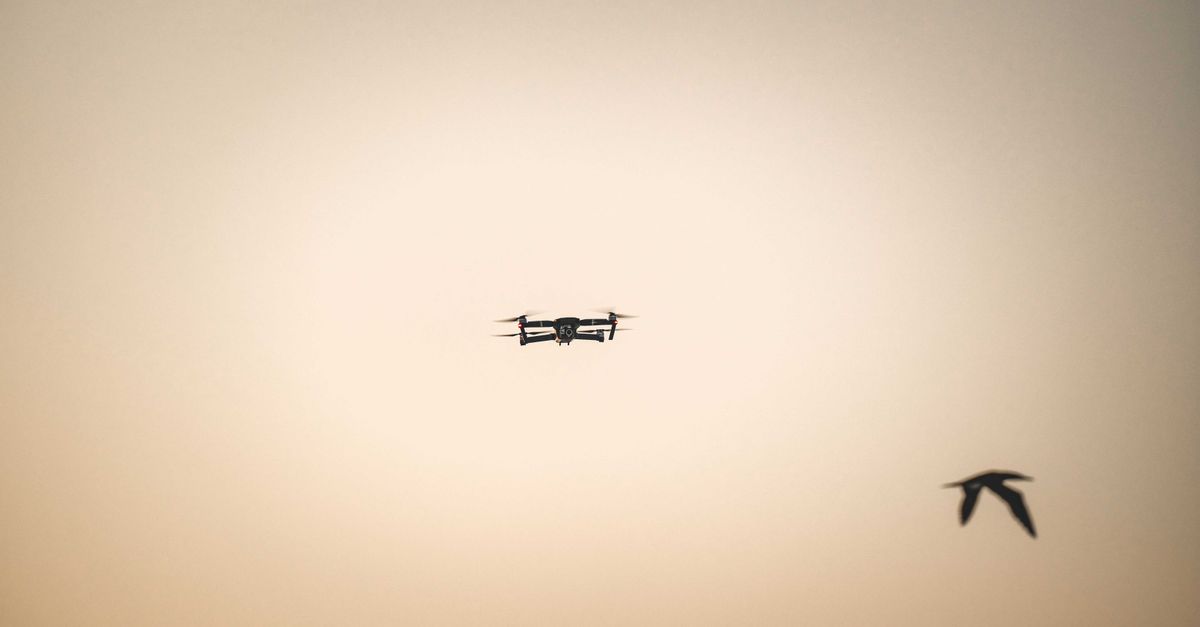
India’s Drone Regulatory Framework: A Grounded Overview
India’s civil aviation drone ecosystem operates under the Directorate General of Civil Aviation (DGCA), which enforces the Drone Rules, 2021, and subsequent amendments. The regulatory architecture is designed to balance safety, airspace integrity, and commercial scalability. Unlike speculative announcements, the framework is anchored in weight-based categorization, mandatory digital registration, and structured approval workflows. The DGCA’s oversight is implemented through the Digital Sky platform, which serves as the central interface for registration, remote pilot certification, and airspace clearance. The rules explicitly prohibit unauthorized flight in restricted zones, mandate remote identification, and require operational approvals for commercial payloads. This structure applies uniformly to public and private operators, with compliance verified through periodic audits and drone-specific track-and-trace systems.
Drone Rules 2021: Weight Classes and Operational Boundaries
The DGCA classifies drones by maximum take-off weight (MTOW) rather than capability or payload. The current categories are Nano (under 250g), Micro (250g to 2kg), Small (2kg to 25kg), Medium (25kg to 150kg), and Large (above 150kg). Operational permissions scale with weight class. Nano and Micro drones face relaxed restrictions in green zones, while Small and Medium drones require explicit operational approvals, especially when carrying payloads or operating in non-permissive airspace. The rules also define prohibited operations, including night flights without special authorization, beyond visual line of sight (BVLOS) without certified systems, and operations near airports, military installations, or critical infrastructure without explicit clearance. Compliance is enforced through mandatory drone digital passports, which link each unit to its manufacturer, owner, and operational history.
Airspace Clearance via Digital Sky and AIP
Flight authorization is managed through the Airspace and Information Platform (AIP), integrated with Digital Sky. Operators must submit flight plans detailing coordinates, altitude, duration, and purpose. The system cross-references the request against a dynamic geofence map maintained by the Ministry of Defence, Ministry of Home Affairs, and civil aviation authorities. Green zones permit autonomous approval, while red zones require case-by-case clearance from security agencies. Yellow zones demand conditional approval, often tied to specific time windows or altitude caps. The DGCA has clarified that automated clearance does not imply operational freedom; the remote pilot remains legally responsible for situational awareness, obstacle avoidance, and emergency protocols. Independent reporting from aviation analysts confirms that turnaround times for commercial approvals typically range from 72 hours to 14 days, depending on zone classification and payload type.
Remote Pilot Licensing and Training Mandates
Operating a Small or larger drone commercially requires a Remote Pilot License (RPL) issued by the DGCA. The licensing pathway includes a mandatory theory examination, practical flight assessment, and medical fitness certification. Training must be conducted at DGCA-approved drone training organizations (DTOs), which are required to maintain simulators, controlled training airspace, and certified instructors. The DGCA has standardized the curriculum to cover air law, meteorology, navigation, payload handling, and emergency procedures. RPL validity is tied to the specific drone class and weight category. Operators who transition between classes must undergo re-certification. The DGCA has also introduced a digital RPL registry, which integrates with employer payroll systems for compliance tracking. Industry reports indicate that over 45,000 RPLs have been issued since 2022, with a steady increase in agricultural, survey, and inspection operators completing certification.
Import Restrictions and Domestic Manufacturing Policy
India’s drone import policy has shifted from open market access to a controlled framework favoring domestic assembly. The DGCA, in coordination with the Ministry of Electronics and Information Technology (MeitY) and the Department for Promotion of Industry and Internal Trade (DPIIT), requires all commercial drones operating in India to be type-certified by a DGCA-approved agency. Imported drones must comply with Indian safety standards, including battery certification, electromagnetic interference limits, and remote identification compliance. The government has introduced phased import duties and local content requirements to incentivize domestic manufacturing. Companies must establish assembly facilities in India, source critical components like flight controllers, propulsion systems, and sensors from approved suppliers, and undergo factory audits. This policy has reduced reliance on unregulated cross-border shipments and forced international brands to partner with Indian OEMs or establish localized compliance teams. Independent supply chain audits confirm that domestic assembly costs remain 12–18% higher than direct imports, but the trade-off includes faster regulatory clearance and service support.
Commercial Hardware Availability and Approximate INR Pricing
Commercial drone hardware in India is available through authorized distributors, direct manufacturer channels, and government-tendered procurement. Pricing varies by class, payload capacity, and regulatory compliance features. Entry-level survey and mapping drones (Nano/Micro) typically range from ₹1.5 lakh to ₹3.5 lakh. Agricultural spraying platforms (Small class) are priced between ₹3.5 lakh and ₹6.5 lakh. Industrial inspection and logistics drones (Small/Medium) range from ₹8 lakh to ₹22 lakh, depending on payload, redundancy systems, and BVLOS certification. Heavy-lift and cargo drones (Medium/Large) exceed ₹25 lakh, with landed costs often reaching ₹30–35 lakh after import duties, type certification fees, and service contracts. Indian manufacturers like IdeaForge, Garuda Aerospace, SkyRizon, and Myntra Robotics offer domestically assembled units with DGCA-compliant firmware and digital passport integration. International brands like DJI and Autel maintain Indian subsidiaries but require local type certification and partner with domestic service networks for warranty and compliance. All pricing estimates are approximate and subject to GST, import duties, and regional distributor margins.
Deployment Reality: Shipping Hardware, Pilots, and Pilots
The regulatory framework’s effectiveness is measured by deployed hardware, not press releases. Shipping hardware first remains the strongest indicator of market maturity. In 2023–2024, Indian operators deployed over 18,000 commercial drones across agriculture, infrastructure inspection, mining, and logistics. Pilot deployments second, with verified operational hours and payload utilization rates, showing steady growth in surveying, crop monitoring, and power line inspection. Announcements last, as most vendor claims about BVLOS, autonomous swarms, or AI payload integration remain in prototype or pilot phases. Independent field reports indicate that successful deployments require certified pilots, calibrated sensors, and maintenance protocols. Operators who skip type certification or use uncertified flight controllers face immediate ground stops and financial penalties. The DGCA’s enforcement has tightened, with regular audits of commercial operators and mandatory incident reporting. Hardware reliability, pilot training quality, and regulatory compliance remain the primary drivers of operational success. Manufacturers that ship certified units with transparent spec sheets and documented flight logs consistently secure long-term contracts. The market is stabilizing around practical, compliant deployments rather than speculative capabilities.
References
- DGCA Drone Rules, 2021. Directorate General of Civil Aviation. https://dgca.gov.in/
- Digital Sky Platform. Ministry of Civil Aviation, Government of India. https://digital-skies.in/
- Airspace and Information Platform (AIP). DGCA Airspace Division. https://aip.dgca.gov.in/
- Drone Rules Amendments and Type Certification Guidelines. DGCA Circulars, 2022–2024. https://dgca.gov.in/
- IdeaForge Technology Ltd. Product Specifications and DGCA Compliance Documentation. https://ideaforge.in/
- Garuda Aerospace Pvt. Ltd. Commercial Drone Fleet and Operational Reports. https://garudaaerospace.com/
- SkyRizon Robotics Pvt. Ltd. Manufacturing and Certification Details. https://skyrizon.com/
- MeitY and DPIIT Policy on Domestic Drone Manufacturing and Import Restrictions. Government of India Press Releases, 2023. https://meity.gov.in/
- Independent Aviation Analysis: Drone Deployment and Compliance in India. Industry Reports, 2023–2024. https://aviationindia.in/
- GST Council and Import Duty Notifications for Drones and Components. CBIC, Government of India. https://cbic.gov.in/
✓ Key takeaways
- •Hands-on view of India’s Drone Regulations Explained: DGCA Rules, Hardware Availability, and Deployment Realities inside our DGCA Drone Rules library.
- •Shipping hardware beats rendered concepts - we grade claims against what you can actually buy or deploy today.
- •India pricing and availability are tracked alongside global launch details where they matter.
References
- DGCA Drone Rules, 2021
- Digital Sky Platform
- Airspace and Information Platform (AIP)
- DGCA Type Certification Guidelines
- IdeaForge Technology Ltd. Specifications
- Garuda Aerospace Pvt. Ltd. Fleet Data
- SkyRizon Robotics Manufacturing
- MeitY/DPIIT Domestic Manufacturing Policy
- Independent Drone Deployment Analysis
- CBIC Import Duty Notifications
Related articles
More in DGCA Drone Rules →
