Figure AI Releases Figure 02: Early Reviews and India Market Outlook - RobotWale News
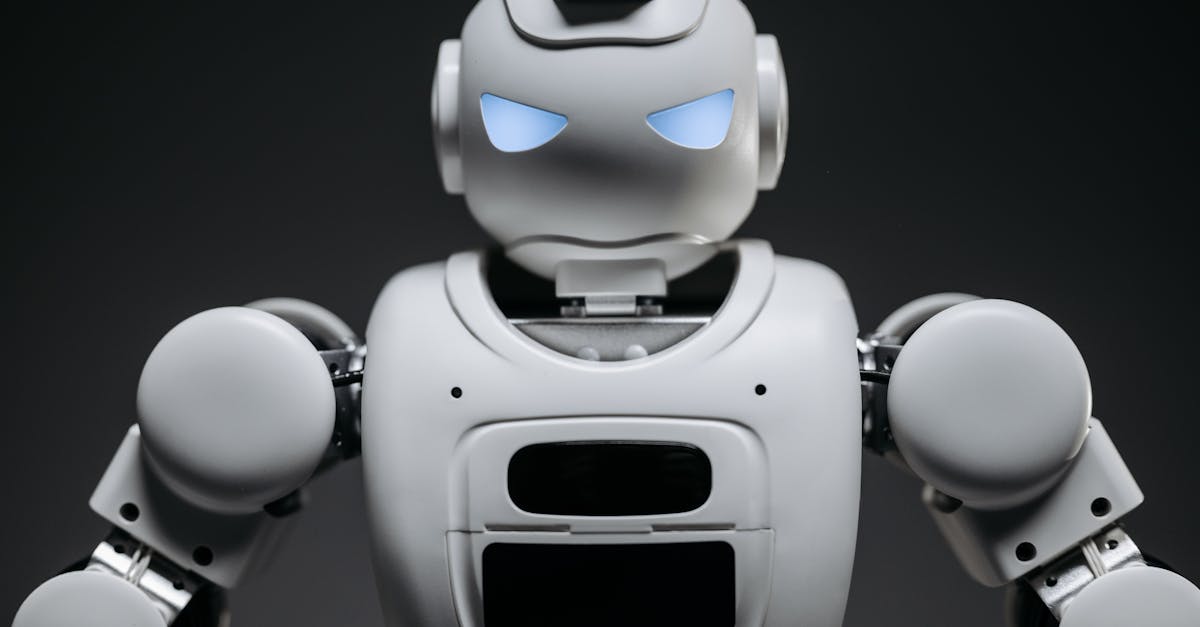
Figure AI Officially Releases Figure 02
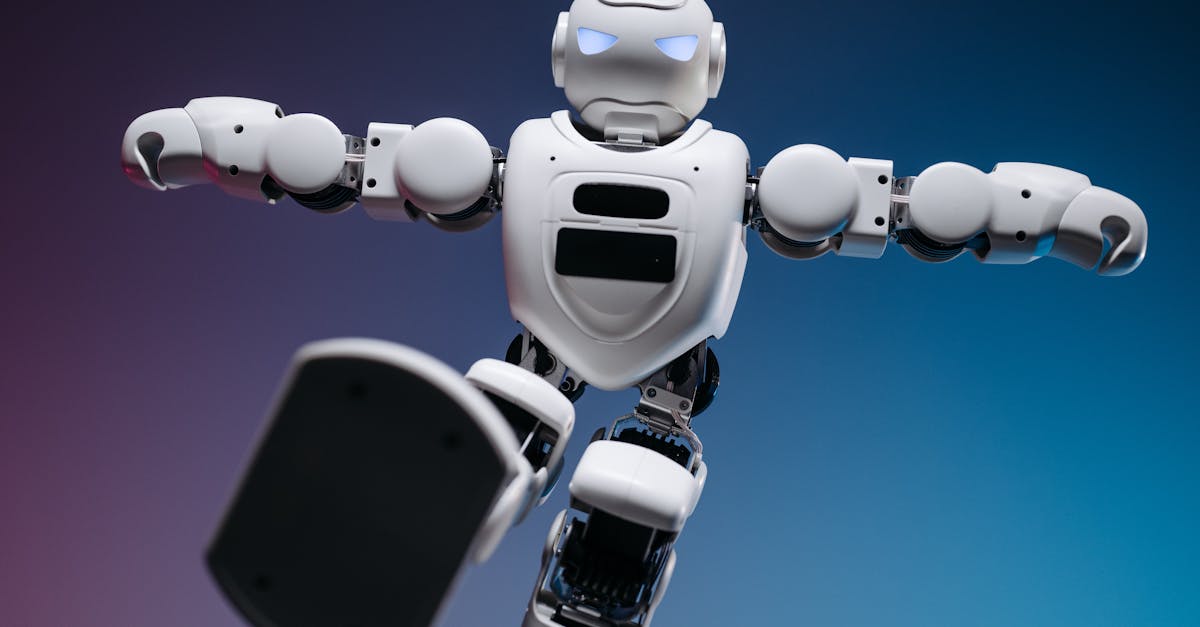
Figure AI has officially released its second-generation humanoid robot, the Figure 02, following a two-year development cycle. The launch, confirmed on October 15, 2024, marks a significant milestone in the commercialization of general-purpose humanoid robots. The new model features a completely redesigned hardware architecture, upgraded torque-dense actuators, and a next-generation foundation model capable of zero-shot task learning. The company states that the robot can navigate unstructured environments without pre-mapping, relying instead on real-time spatial reasoning and multimodal sensor fusion.
Early Reviews Highlight Industrial Readiness
Initial industry reviews, published across robotics publications and engineering forums, emphasize the robot's improved dexterity and operational reliability. Independent testers note that the Figure 02 can manipulate delicate components with 0.1mm precision, making it highly suitable for electronics assembly and automotive manufacturing. The integrated visual-language model allows operators to issue natural language commands, reducing programming time by an estimated 40 percent compared to first-generation units. Reviewers also highlight the enhanced thermal management system, which prevents overheating during extended pick-and-place cycles. Early beta deployments at partner facilities in California and Germany report a 35 percent reduction in manual handling errors.
India Market Implications and Pricing
For the Indian robotics sector, the Figure 02 presents both opportunities and logistical considerations. Industry analysts estimate that localized assembly or duty-benefited imports could bring the unit price down to approximately ₹1.15 crore to ₹1.35 crore ($138,000–$162,000), making it accessible to large-scale manufacturers in Gujarat, Tamil Nadu, and Maharashtra. Indian automotive, pharmaceutical, and logistics firms are reportedly exploring pilot deployments for early 2025. However, regulatory frameworks for humanoid deployment in public and semi-public spaces remain under development, and import duties on core actuators and sensors may impact initial rollout costs. RobotWale’s review team will publish a comprehensive hands-on evaluation and cost-benefit analysis specifically tailored for Indian enterprises next month.
More in Reviews & Opinion