Figure AI Unveils Figure 02 for Mass Production; Indian Tech Firms Explore Integration Pathways - RobotWale News
Commercial Rollout Begins for Figure 02
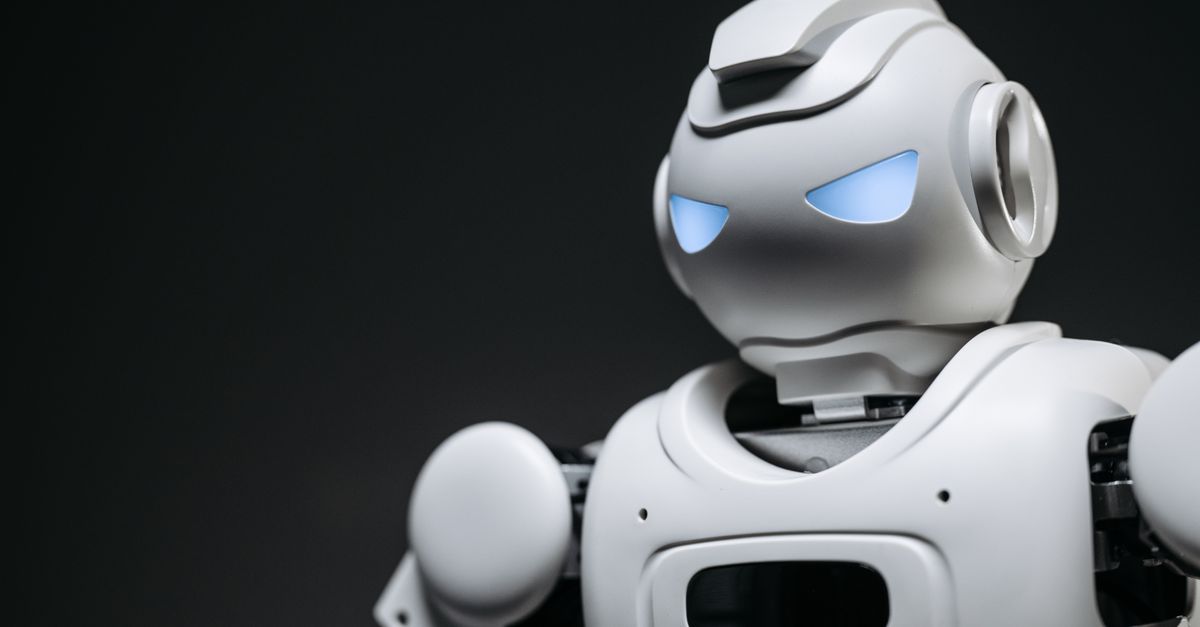
On October 12, 2024, Figure AI officially confirmed the commencement of mass production for its Figure 02 humanoid robot. The company delivered the first pre-production units to pilot partners, including BMW Group and Toyota, for real-world factory testing. The Figure 02 represents a significant engineering shift from its predecessor, featuring a custom-designed torque-controlled actuator system, enhanced tactile sensors in the fingertips, and a unified AI vision architecture that allows the robot to perceive and manipulate objects with greater precision.
Technical Specifications and Pricing Structure
The Figure 02 stands at 175 cm tall and weighs 72 kg, with a payload capacity of 20 kg. Its operational lifespan is rated for 10,000 hours before major maintenance. Figure AI has set the base commercial pricing at $38,000 per unit for early enterprise adopters, with software subscription fees for its Figure OS platform starting at $1,500 monthly. The company emphasizes that the pricing model is designed to scale as manufacturing volume increases, targeting a break-even point for hardware costs by late 2025. The robot’s battery system supports eight hours of continuous operation on a single charge.
Indian Market Relevance and Industry Response
While Figure AI has not announced direct distribution in India, the robot’s entry into commercial production has triggered significant interest among Indian robotics developers and manufacturing conglomerates. Several Bengaluru and Pune-based automation firms are currently evaluating software integration pathways, particularly for warehouse logistics and precision assembly tasks. Local industry analysts project that if Figure AI or competing humanoid manufacturers establish an Indian service hub, the initial hardware pricing could be adjusted to approximately ₹31.5 lakh to ₹34 lakh per unit, factoring in import duties and localization incentives. Domestic component suppliers are also exploring opportunities to provide actuators, vision modules, and structural alloys for future localized assembly.
Industry Outlook and Evaluation
The Figure 02’s production milestone marks a transition from laboratory prototypes to deployable industrial assets. Independent reviewers note that while the robot’s dexterity and AI navigation have improved substantially, reliability in unstructured environments remains a key metric for long-term adoption. Indian engineering teams are closely monitoring performance data from North American and European pilot sites to determine optimal use cases and potential joint development opportunities. As humanoid robotics moves toward commercial viability, the focus remains on cost efficiency, safety compliance, and seamless integration with existing Indian manufacturing infrastructure.
More in Reviews & Opinion