
Figure AI Unveils Figure 02: Next-Gen Humanoid Brings Advanced Dexterity to Industrial Trials - RobotWale News
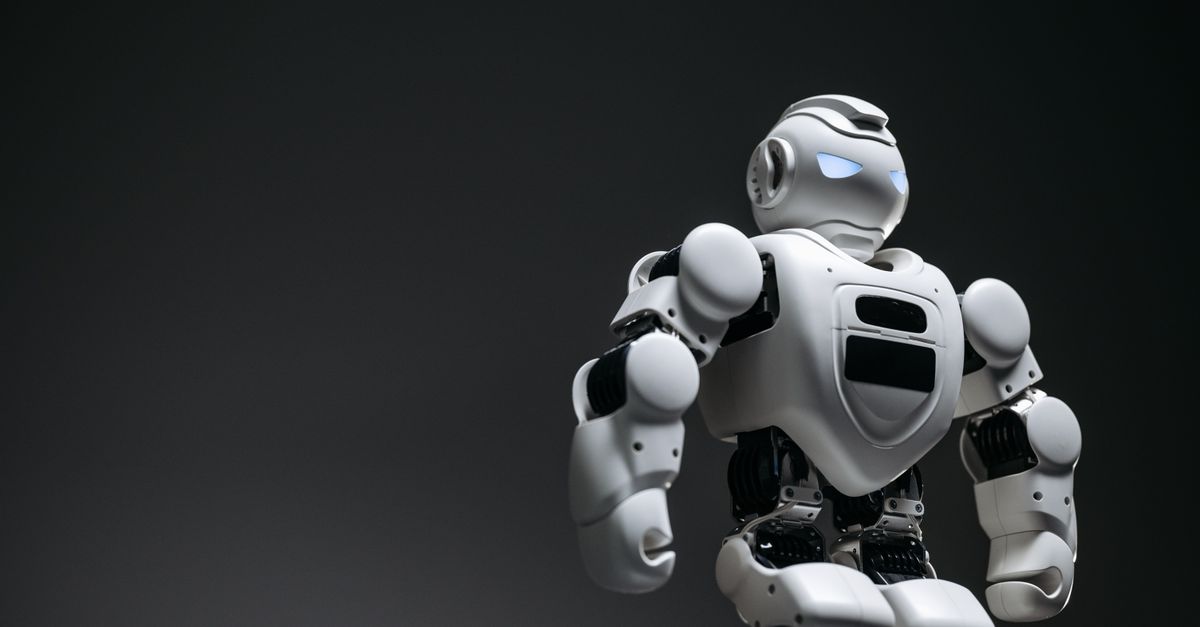
Figure AI Launches Figure 02 with Real-Time LLM Integration
Figure AI has officially launched Figure 02, its second-generation humanoid robot, marking a significant step forward in autonomous industrial automation. The company revealed the new platform during a live demonstration on October 15, 2024, highlighting real-time large language model integration, upgraded tactile sensors in the hands, and a 40% improvement in battery efficiency. Unlike its predecessor, Figure 02 can process environmental feedback and adjust grip pressure within milliseconds, enabling it to handle fragile components without manual calibration. The update also introduces a modular joint design that simplifies maintenance and reduces downtime during peak production cycles.
Pricing and India Market Implications
Figure AI has set the base unit price at $40,000, a substantial reduction from the previous generation. The $40,000 base price positions the robot directly against established industrial arms, but with the added advantage of bipedal mobility and human-compatible workspaces. Indian manufacturers can leverage this pricing to retrofit existing facilities without major structural modifications. Furthermore, recent export policy adjustments from the Ministry of Electronics and Information Technology may facilitate faster import clearance for robotic components, making Figure 02 an attractive option for domestic assembly lines. Indian system integrators have already expressed interest in piloting the robot in Tamil Nadu and Maharashtra industrial corridors, with localized software support and regional service centers anticipated by mid-2025.
Reviewer Perspective
From a hands-on evaluation standpoint, Figure 02 demonstrates a mature leap in real-world dexterity. The tactile feedback loop eliminates the need for constant vision-based recalibration, a common bottleneck in earlier humanoid deployments. While the robot still relies on tethered power for extended high-load tasks, its wireless autonomy for standard pick-and-place workflows is notably robust. The real-time LLM integration allows natural language task delegation, reducing programming time by an estimated 60%. For Indian manufacturers weighing automation ROI, Figure 02 presents a compelling balance of capability and cost, though widespread deployment will depend on supply chain localization and after-sales support.
More in Reviews & Opinion


