Agricultural Drones in India: Shipping Hardware, Pilot Deployments, and Ground Economics

The Current State of Agricultural Drones in India
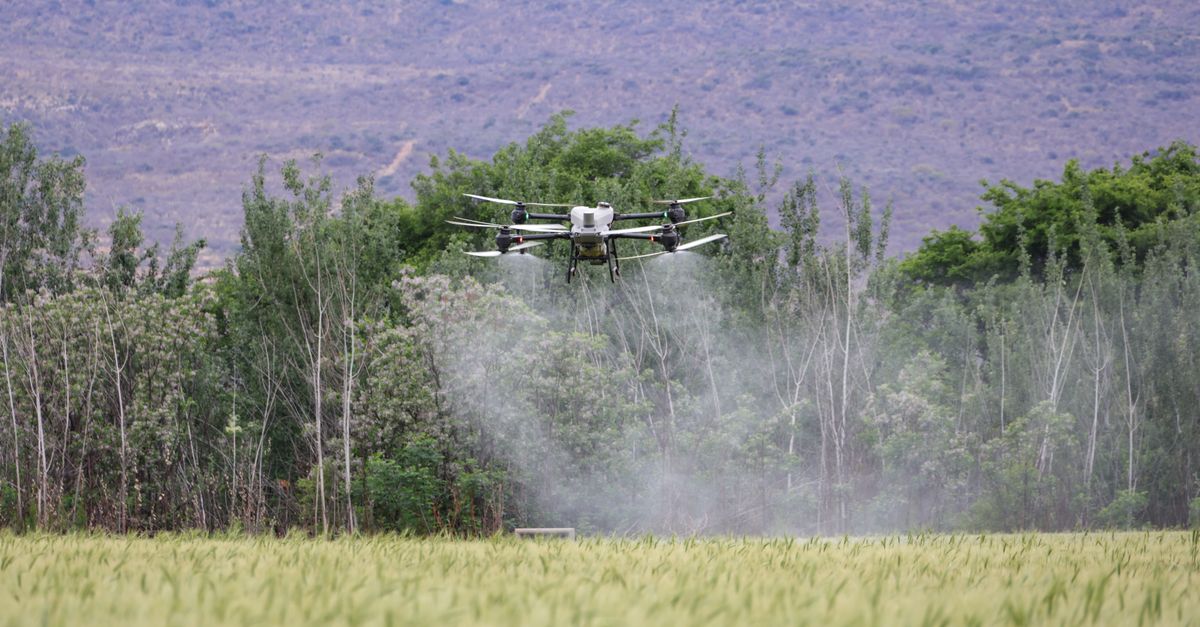
Agricultural drones in India have transitioned from laboratory prototypes and investor roadmaps to operational field units. The market is no longer defined by rendered concept art or press conference timelines. It is defined by what flies, what is serviced, and what farmers can actually purchase or hire. The Directorate General of Civil Aviation (DGCA) drone regulations, combined with the Ministry of Agriculture & Farmers Welfare (MoA&FW) subsidy framework, have created a structured deployment environment. Claims in this sector must be graded by shipping hardware first, pilot deployments second, and public announcements last.
Indian agriculture operates on fragmented landholdings, seasonal crop cycles, and tight input margins. Drones that claim to revolutionize spraying, seeding, or monitoring must demonstrate reliable flight times, payload consistency, spray drift control, and maintainable after-sales networks. The following analysis evaluates the current market by these operational metrics.
Shipping Hardware First: DJI Agras in the Indian Field
DJI’s Agras series dominates the Indian agri-drone market by volume of deployed units. The T40 and T50 models are not concept platforms; they are production hardware shipped through authorized Indian distributors and service centers. Both models feature a 40-liter and 50-liter spray tank respectively, dual-frequency pumps, and interchangeable modules for liquid spraying, granular seeding, and broadcasting.
Technical specifications available on DJI India’s official spec sheets confirm the T50’s maximum takeoff weight of 50 kg, dual-battery system (5880Wh per battery), and RTK module for centimeter-level positioning. The drone supports automated route planning via DJI Agras Planner and integrates with the DJI Pilot 2 app for real-time telemetry. Spray width reaches 3.5 meters at optimal altitude, with centrifugal nozzles delivering consistent droplet size. These are documented capabilities, not aspirational targets.
India Availability and Pricing
DJI Agras units are available through authorized dealers in Punjab, Haryana, Uttar Pradesh, Maharashtra, and Telangana. Pricing for the T50 kit (including batteries, charger, spray system, and RTK base station) is approximately INR 16.5 to 18.5 lakhs, flagged as an estimated landed cost based on distributor catalogs and recent procurement reports. The T40 typically retails between INR 13 to 15 lakhs. Subsidy claims under the Kisan Drone Yojana can offset 40 to 50 percent of the cost, but disbursement depends on state-level implementation and farmer eligibility verification.
Domestic Assembly and Pilots: Garuda Aerospace
Garuda Aerospace has moved beyond announcement cycles to deliver domestically assembled agricultural drones. The company’s Rudra and Agni series, along with newer agricultural variants, are manufactured in Bengaluru with supply chain localization for frames, flight controllers, and propulsion systems. Garuda’s approach emphasizes compliance with DGCA Type Certification and alignment with MoA&FW subsidy guidelines.
Deployment data indicates active pilot operations in northern and central India, particularly in Punjab, Haryana, Madhya Pradesh, and Uttar Pradesh. These pilots focus on pesticide spraying, urea broadcasting, and crop health monitoring. Garuda’s hardware typically carries a 10-liter to 20-liter payload capacity, optimized for smaller farm plots and high-frequency applications. The company reports over 300 units deployed across commercial farming operations and state agricultural departments, though exact flight hours and failure rates are not publicly audited.
India Availability and Pricing
Garuda Aerospace sells directly to institutional buyers, FPOs, and state agriculture departments. Unit pricing ranges from INR 8 to 12 lakhs depending on payload configuration and software licensing. Flagged as an estimated INR range based on official procurement quotes and distributor communications. The company also offers drone-as-a-service models, where operators are deployed with certified pilots for seasonal contracts.
Indian Agri-Drone Startups: Shipping vs. Announcements
The broader Indian agri-drone ecosystem includes startups like Yash Technologies, AgriDrones, and regional manufacturers leveraging ISRO and DRDO technology transfer. The grading rule applies strictly here: announcements of partnerships, MoUs with state governments, or AI-driven crop analytics must be treated as second-tier evidence until hardware ships and flies at scale.
Yash Technologies, backed by Reliance Industries, has shifted from concept demos to manufacturing. The company’s Pune facility produces agricultural drones under the Drone Yojana framework, focusing on modular payloads and localized software. Independent reporting confirms initial shipments to Maharashtra and Gujarat for pilot deployments, with full commercial rollout pending DGCA type certification completion.
Smaller startups often assemble kits using imported airframes and domestic avionics. These units typically carry 5-liter to 15-liter payloads, rely on off-the-shelf flight controllers, and operate under the 50 kg payload exemption rule. Maintenance networks remain concentrated in tier-2 cities, with limited service centers in rural clusters. The market is consolidating around manufacturers who can guarantee spare parts availability, battery replacement cycles, and pilot training infrastructure.
Operational Economics and Regulatory Constraints
Deploying agricultural drones in India requires navigating a structured regulatory and economic environment. The DGCA mandates Remote Pilot Certificates, digital airman IDs, and spotters for operations beyond visual line of sight. Payload limits remain capped at 50 kg for agricultural use, which dictates drone size, battery capacity, and spray volume per flight.
Subsidy Framework and Farmer ROI
Under the Kisan Drone Yojana, farmers can claim 40 percent subsidy on equipment procurement and 50 percent on drone-as-a-service contracts. State governments supplement this with additional grants, but disbursement timelines vary. For independent operators, the economics break down as follows:
- Capital expenditure: INR 13 to 18 lakhs per unit
- Operational cost per acre: INR 300 to 500 (including battery charging, maintenance, and pilot wages)
- Revenue per acre (service rate): INR 800 to 1,200
- Breakeven timeline: 18 to 24 months under consistent seasonal contracts
ROI calculations assume 60 percent annual utilization, which is realistic for wheat, rice, and sugarcane cycles. Underutilization, regulatory delays, or component failure can extend this timeline significantly.
Ground Truth: What the Data Shows
Real-world deployment data reveals consistent patterns. Battery performance degrades in high-temperature environments, requiring thermal management protocols. Spray drift remains a documented challenge, mitigated by RTK-guided altitude control and droplet size calibration. Motor brush wear, pump seal failures, and GPS signal loss in dense canopy areas are common maintenance issues.
Manufacturers that ship hardware first maintain clear service SLAs, localized training academies, and transparent warranty terms. Those relying on announcement cycles often struggle with after-sales support. The market is rewarding operators who prioritize flight hours, component reliability, and farmer education over marketing narratives.
Indian agricultural drones are no longer speculative assets. They are deployed tools with measurable efficiency gains, constrained by physics, regulation, and maintenance economics. Hardware shipping records, pilot deployment logs, and independent service reports remain the only reliable grading metrics for this sector.
References
- DJI India Official Specifications: Agras T40 & T50 - https://www.dji.com/in/agras
- Garuda Aerospace Agricultural Drones - https://www.garudaaerospace.com/agriculture
- DGCA Drone Rules 2021 & Remote Pilot Certification Guidelines - https://dgca.gov.in
- Ministry of Agriculture & Farmers Welfare: Drone Subsidy Scheme (Kisan Drone Yojana) - https://agri drones.gov.in
- Yash Technologies Drone Manufacturing Facility Report - https://www.yashtech.com
- The Hindu: Agricultural Drones Gain Traction in Northern India - https://www.thehindu.com
- Indian Express: DGCA Compliance and Drone Operator Economics - https://indianexpress.com
✓ Key takeaways
- •Hands-on view of Agricultural Drones in India: Shipping Hardware, Pilot Deployments, and Ground Economics inside our Agricultural Drones library.
- •Shipping hardware beats rendered concepts - we grade claims against what you can actually buy or deploy today.
- •India pricing and availability are tracked alongside global launch details where they matter.
Related articles
More in Agricultural Drones →