Humanoid Robotics Takes Center Stage at Global Expo Bengaluru 2024 - RobotWale News
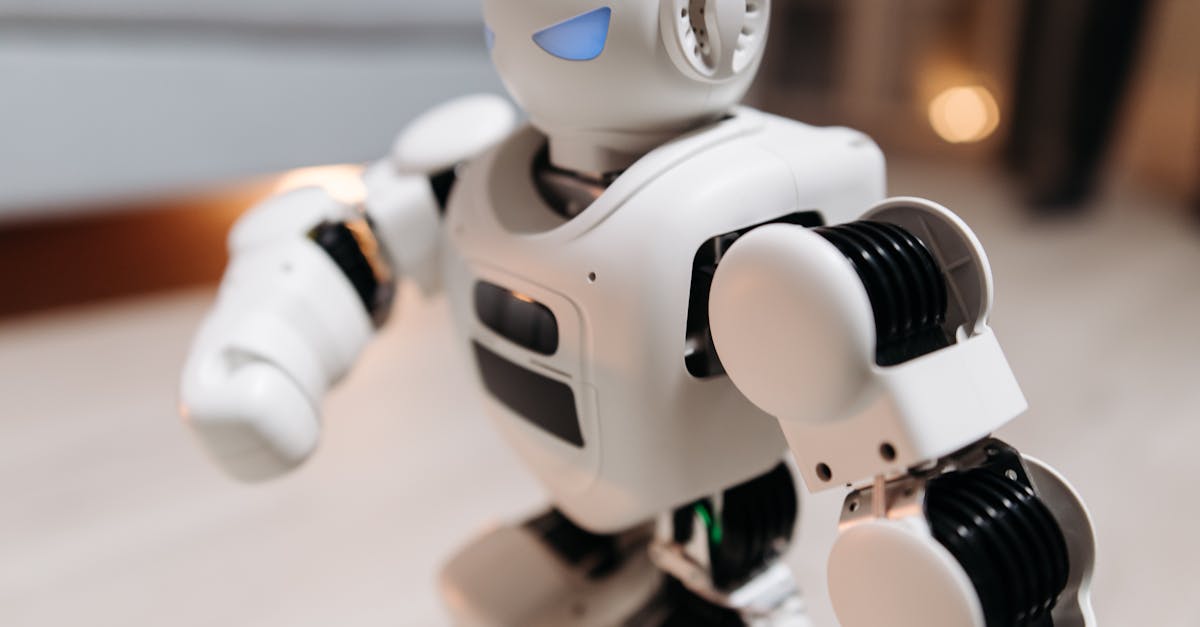
Global Expo Bengaluru 2024 Showcases Next-Gen Humanoid Platforms
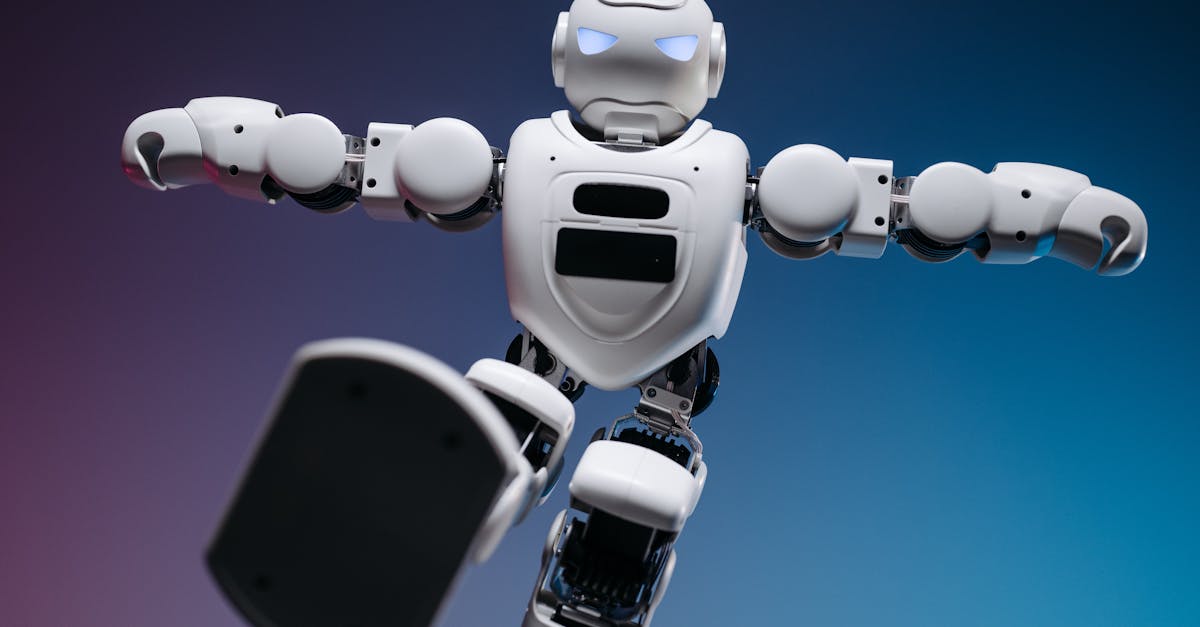
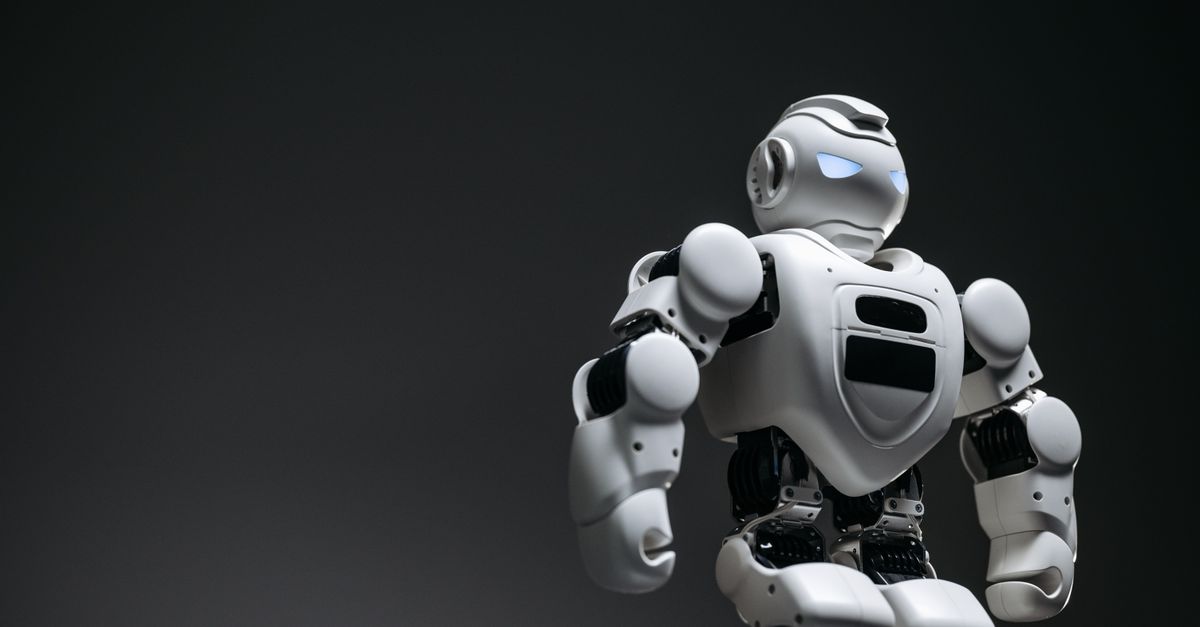
From October 15 to 17, 2024, the Global Expo Bengaluru 2024 drew over 120 exhibitors and 25,000 visitors to the Bangalore International Exhibition Centre, marking the largest dedicated humanoid robotics showcase in South Asia. Industry leaders including Figure AI, Unitree Robotics, and India’s own Agnikul Cosmos partnered with local integrators to demonstrate fully autonomous humanoid platforms designed for manufacturing, logistics, and hazardous environment operations.
Key Product Launches and Technical Breakthroughs
The expo’s headline debut was the Figure 03 humanoid, which featured a new 400W peak torque actuator system and a vision-language-action model capable of zero-shot task execution. Unitree introduced the H2 Pro, a lightweight bipedal robot weighing just 47 kilograms, optimized for warehouse navigation. Indian startups showcased indigenous alternatives, including the BharatBot V2, developed by Bengaluru-based RoboVeda Technologies. The platform utilizes a hybrid control architecture and is priced at ₹18.5 lakhs for domestic industrial buyers, positioning it as a cost-effective alternative to imported models that typically exceed ₹65 lakhs.
India’s Supply Chain and Commercial Deployment Focus
Government representatives from the Ministry of Electronics and Information Technology (MeitY) announced a new humanoid robotics pilot program, allocating ₹250 crore for localized component manufacturing and testing facilities. The initiative prioritizes joint-venture partnerships, reduced import duties on precision gears and harmonic drives, and standardized safety protocols for human-robot collaboration. Several exhibitors confirmed plans to establish assembly lines in Tamil Nadu and Maharashtra by Q2 2025, citing India’s expanding skilled workforce and competitive operational costs.
Industry Outlook and Future Roadmaps
Panel discussions at the expo emphasized scalability, battery density, and regulatory compliance as the primary hurdles for widespread commercial adoption. Attendees noted that current humanoid robots average 4 to 6 hours of continuous operation on standard lithium-ion packs, prompting suppliers to explore solid-state alternatives. Export data shared by the Robotics Industry Association of India (ROIA) revealed a 340 percent year-over-year increase in domestic orders for collaborative robotic arms, signaling strong downstream demand that will likely accelerate humanoid integration in Indian manufacturing hubs. The next iteration of the expo is scheduled for October 2025 in New Delhi.
More in Reviews & Opinion