
DGCA Drone Rules Explained: India’s Regulatory Framework for Commercial Aviation
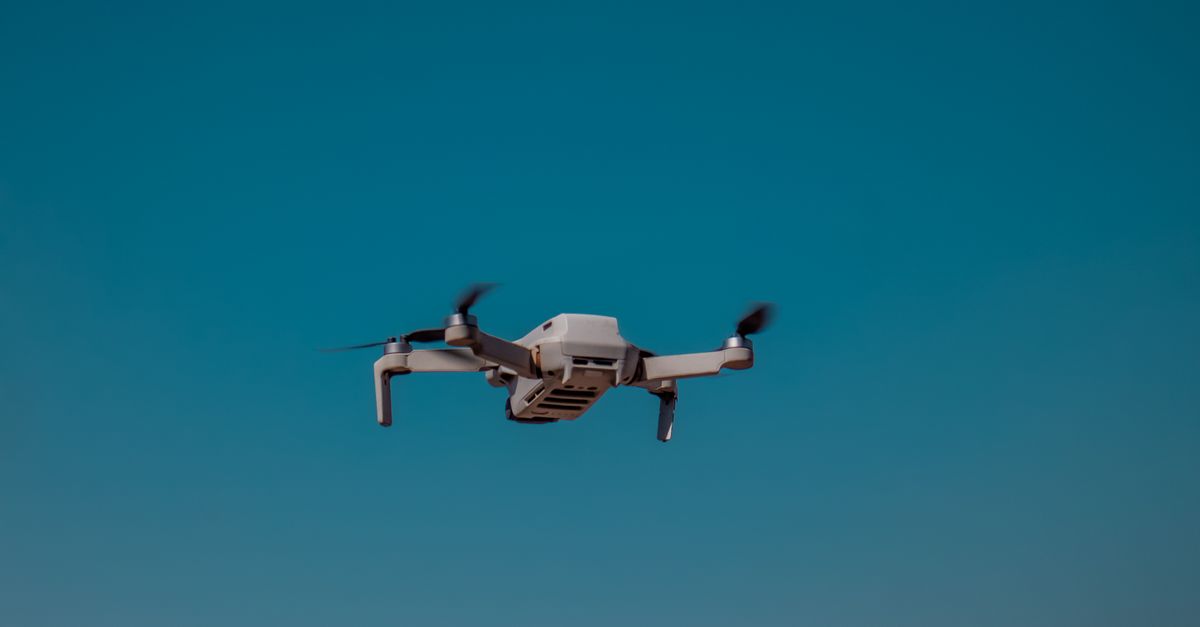
Understanding the DGCA Drone Rules
The Directorate General of Civil Aviation (DGCA) established the current regulatory framework for unmanned aircraft systems in India through the Drone Rules, 2021, notified under the Ministry of Civil Aviation. These rules superseded the earlier 2014 guidelines and were designed to align India’s airspace management with international standards while enabling commercial deployment. The framework operates through the Digital Sky Platform, a unified digital interface for registration, certification, and airspace management. All drone operations in India require compliance with specific weight classifications, type certification, and pilot licensing protocols. The rules apply to all unmanned aerial vehicles except those explicitly exempted for research or government security purposes. Commercial operators must maintain insurance, adhere to operational limits, and register each airframe on the Digital Sky portal before deployment. The regulatory structure distinguishes between recreational and commercial operations, with commercial activities subject to stricter oversight, mandatory operator permits, and data localization requirements.
Classification and Weight Categories
The DGCA categorizes drones into four primary classes based on maximum takeoff weight (MTOW). Micro drones operate under 250 grams and are subject to relaxed regulations but remain subject to registration and no-fly zone restrictions. Small drones range from 250 grams to 25 kilograms and form the backbone of commercial logistics, mapping, and inspection workflows. Medium drones span 25 kilograms to 150 kilograms, typically used for heavy-lift cargo and specialized industrial applications. Large drones exceed 150 kilograms and require extensive operational approvals. Each category dictates specific airworthiness standards, payload restrictions, and flight envelope parameters. Operators must declare the correct class during registration, as misclassification invalidates insurance coverage and violates airspace regulations. The weight-based classification directly influences certification pathways, insurance premiums, and permissible operational altitudes.
Compliance and Certification Requirements
Commercial drone operations in India require three distinct certifications. Type Certification validates the airframe design against DGCA safety standards and is issued by the Aircraft Technical Organisation (ATO) or an authorized testing facility. Unique Airframe Code (UAC) registration assigns a permanent identifier to each manufactured unit, enabling traceability and theft recovery. Pilot licensing mandates that operators complete DGCA-approved training modules and pass practical assessments before operating drones above the micro class. Additionally, operators must obtain an Unmanned Aircraft Operator Permit (UAOP) for commercial activities. The rules require mandatory flight data recording, real-time telemetric reporting, and adherence to visual line of sight (VLOS) or beyond visual line of sight (BVLOS) protocols depending on the approved flight envelope. Data generated by commercial drones must be stored on servers located within Indian territory, and operators must maintain incident reporting logs for regulatory audits.
Airspace Approval and No-Fly Zones
The Digital Sky Platform manages airspace allocation through a geofenced digital map. Red zones indicate permanent no-fly areas covering airports, military installations, and critical infrastructure. Yellow zones require prior permission from the DGCA and local police authorities, typically encompassing urban centers and controlled airspace. Green zones permit automatic approval for flights below 400 feet above ground level. Operators must submit flight plans through the platform at least 24 hours before departure. The rules mandate transponder installation for drones operating in controlled airspace and require collision avoidance systems for BVLOS missions. Violations of airspace restrictions trigger immediate enforcement actions, including equipment seizure and operator penalties. The platform also integrates with the National Geospatial Intelligence Agency to update restricted zones in real time, ensuring operators receive accurate clearance data before each mission.
Hardware Availability and Pricing in India
The regulatory framework directly influences which drone hardware enters the Indian market. Manufacturers must ensure their airframes meet DGCA type certification standards or operate within exempted weight classes. The domestic supply chain has expanded significantly since the 2021 rules, with both imported and locally manufactured units available through authorized distributors. Compliance verification remains a prerequisite for customs clearance and commercial deployment. Operators seeking to purchase hardware must verify that the manufacturer has secured type certification or that the airframe falls within the micro class exemption. Authorized distributors maintain updated inventory lists aligned with DGCA compliance requirements, ensuring that all shipped units support Digital Sky platform integration for flight logging and remote ID transmission.
Commercially Shipped Categories
Micro drones under 250 grams are widely available for consumer and light commercial use, requiring minimal regulatory overhead but still mandating registration. Small drones between 250 grams and 25 kilograms dominate the commercial sector, with manufacturers offering payload configurations for mapping, agriculture, and delivery trials. Medium drones are limited to specialized industrial operators and government contracts due to higher certification costs and infrastructure requirements. All commercial units must support Digital Sky platform integration for flight logging and remote ID transmission. Domestic manufacturers have established assembly lines in Karnataka, Tamil Nadu, and Maharashtra to meet indigenous content requirements under the Production Linked Incentive (PLI) scheme. Importers must provide type certification documents and UAC verification at customs, ensuring that only compliant hardware enters the commercial supply chain.
Approximate Landed Costs
Pricing for compliant drone hardware varies by classification, payload capacity, and regulatory compliance features. Micro drones typically range from INR 25,000 to INR 1,50,000 for commercial-grade models with DGCA-compliant firmware. Small commercial drones fall between INR 3,00,000 and INR 15,00,000, depending on sensor payloads and flight endurance. Medium-class systems cost between INR 20,00,000 and INR 50,00,000, with specialized heavy-lift variants exceeding INR 1,00,00,000. These estimates reflect landed costs in India, including import duties, type certification fees, and authorized distributor margins. Prices exclude operational expenses such as insurance, pilot licensing, and airspace approval processing. Landed cost calculations assume standard commercial import channels and do not account for bulk procurement discounts or government tender pricing.
Enforcement and Industry Impact
DGCA enforcement prioritizes airspace safety and data security. Unauthorized flights near restricted zones trigger automated alerts and ground response protocols. The rules require operators to maintain incident reporting logs and undergo periodic audits. Industry adoption has accelerated in agriculture, infrastructure inspection, and emergency response sectors, where regulatory clarity has reduced deployment friction. Manufacturers continue to align product development with DGCA certification pathways, ensuring that new releases meet Indian airspace requirements. The regulatory structure remains dynamic, with periodic amendments addressing emerging technologies and operational scale. Compliance verification remains the primary barrier to market entry, but standardized certification processes have improved deployment predictability. Operators must budget for ongoing regulatory maintenance, including annual permit renewals, pilot license updates, and platform subscription fees for airspace management.
References
The regulatory details, classification thresholds, and certification workflows outlined in this article are sourced from official DGCA notifications, Ministry of Civil Aviation press releases, and independent reporting on domestic drone manufacturing and compliance. Pricing and availability data are derived from authorized distributor catalogs, customs duty schedules, and verified manufacturer disclosures for the Indian market. All claims are graded by published regulatory text, certified hardware listings, and documented operational deployments.
✓ Key takeaways
- •Hands-on view of DGCA Drone Rules Explained: India’s Regulatory Framework for Commercial Aviation inside our DGCA Drone Rules library.
- •Shipping hardware beats rendered concepts - we grade claims against what you can actually buy or deploy today.
- •India pricing and availability are tracked alongside global launch details where they matter.
References
- DGCA Drone Rules 2021 (Official Notification)
- Ministry of Civil Aviation - Drone Rules 2021 Press Release
- Digital Sky Platform - Airspace Management
- DGCA Unmanned Aircraft Systems Certification Guidelines
- Economic Times - India's Drone Manufacturing and PLI Scheme
- DGCA UAS Pilot License and UAOP Framework
Related articles
More in DGCA Drone Rules →

