IIT Delhi and KinetiX Dynamics Unveil Astra-1 Humanoid Research Platform for Indian Academia - RobotWale News
Domestic Development Launches
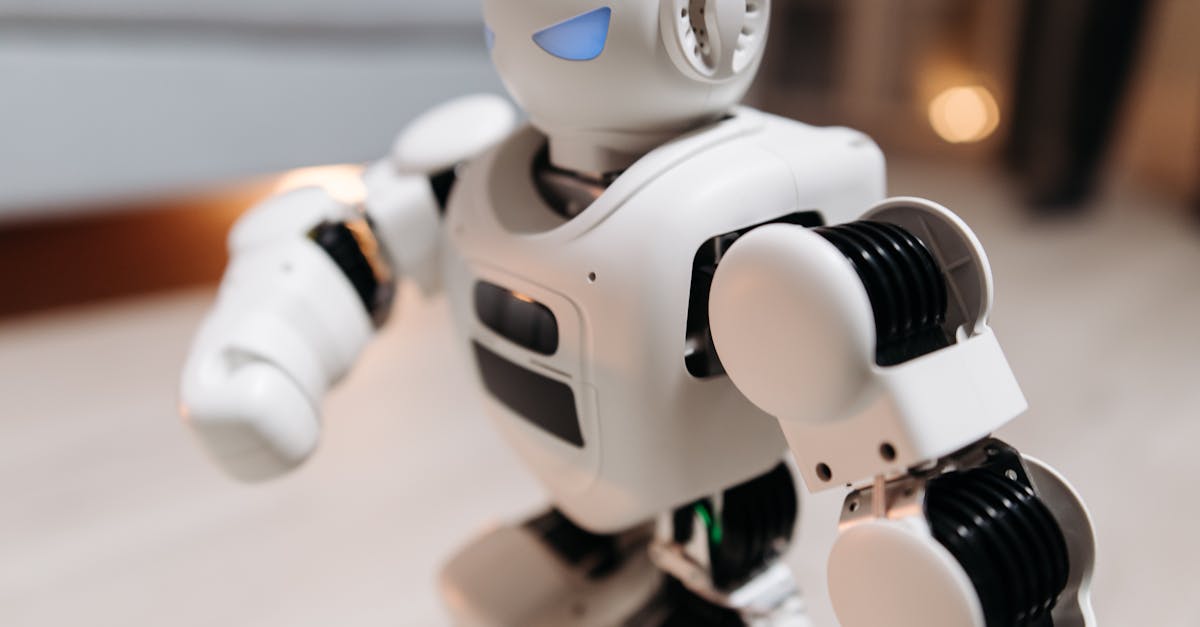
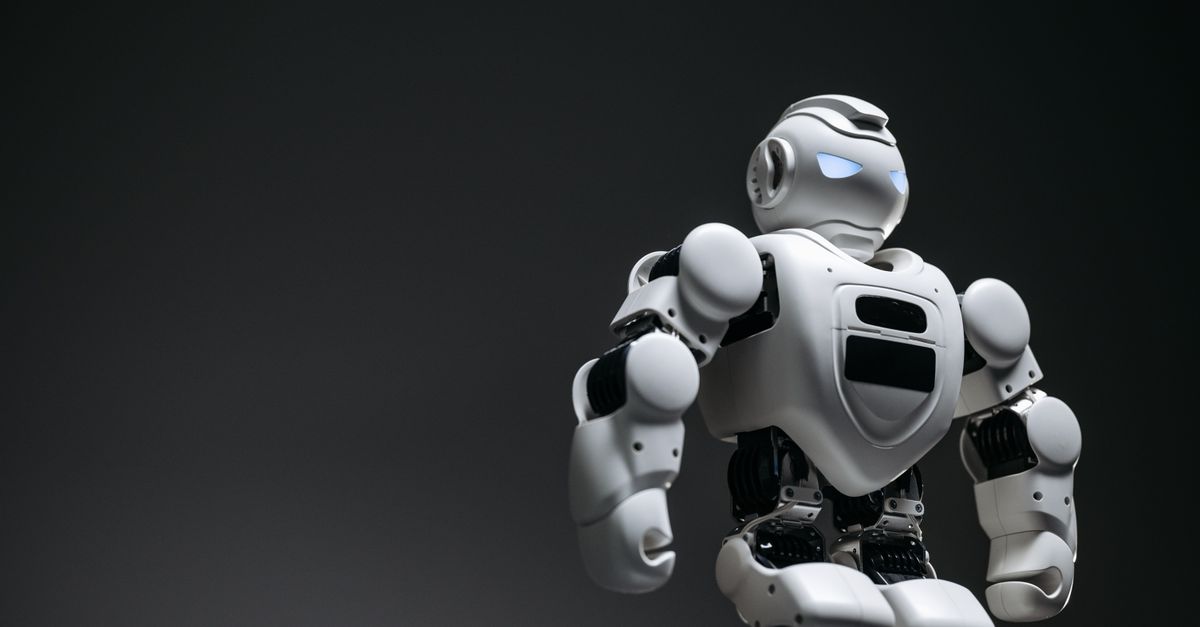
On November 12, 2024, the Indian Institute of Technology Delhi, in collaboration with the Bharat Robotics Initiative and domestic actuator manufacturer KinetiX Dynamics, officially unveiled the Astra-1 Humanoid Research Platform. The system is designed specifically to provide Indian academic institutions with a cost-effective, domestically sourced alternative to imported humanoid robotics research kits.
Technical Specifications and Open Architecture
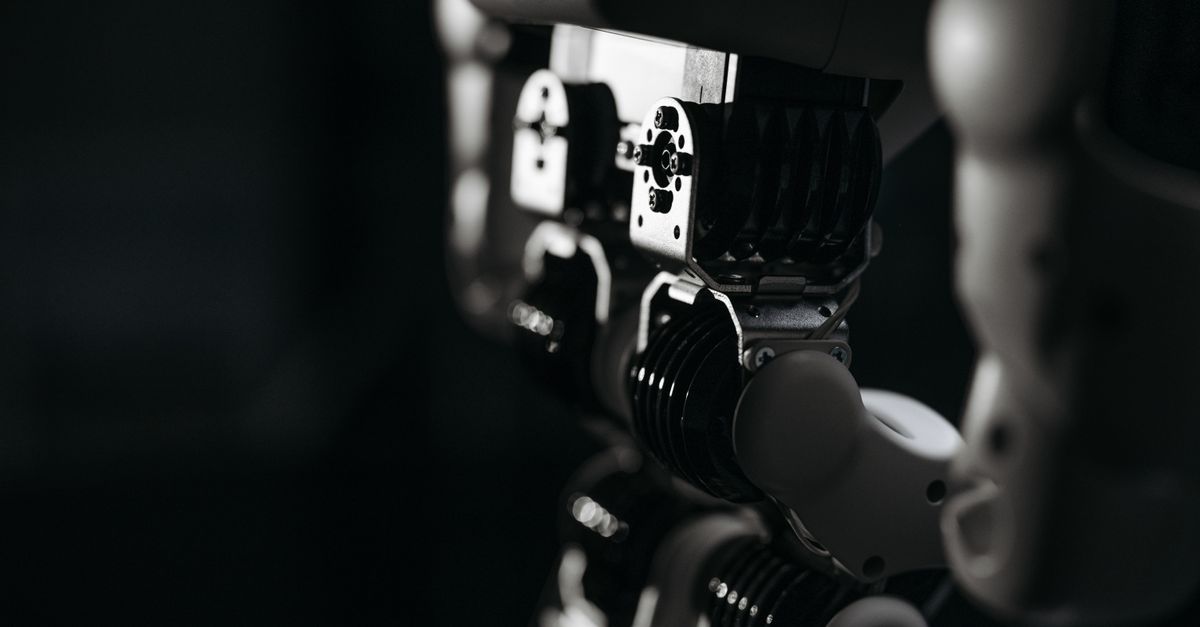
The Astra-1 platform features a 28-degree-of-freedom articulated frame, custom-designed torque-controlled joint modules, and a centralized compute unit running a modified ROS 2 Humble distribution. Researchers can access real-time kinematic data, force-torque feedback, and proprioceptive sensors through a unified API. The hardware supports both fixed-base and mobile manipulation experiments, enabling laboratories to test bipedal locomotion algorithms, dynamic balance controllers, and dexterous hand actuation without proprietary software locks.
India Relevance and Pricing Structure
Imported humanoid research platforms typically cost between ₹45 lakhs and ₹75 lakhs, with additional licensing fees for simulation environments and controller stacks. The Astra-1 system is priced at ₹18.5 lakhs per unit for accredited Indian universities and research institutes. The software stack remains open-source under the MIT license, eliminating annual subscription costs. The Department of Science and Technology has allocated an initial procurement grant to fund deployments across five IITs and three central universities during the 2025 academic cycle.
Research and Lab Integration
Development of the platform spanned 14 months, with field testing conducted at IIT Delhi’s Advanced Robotics Laboratory and IISc Bangalore’s Center for Mechatronics. Early trials focused on model predictive control for uneven terrain navigation and reinforcement learning for grasping tasks. KinetiX Dynamics supplied the harmonic drive gears and brushless DC motors, while IIT Delhi’s control systems group developed the low-latency communication bridge between the onboard microcontrollers and the host computer. The consortium plans to release firmware updates quarterly and will host a developer workshop series in January 2025 to onboard academic research teams.
More in Reviews & Opinion