IIT Madras and Bosch India Establish Joint Humanoid Robotics Research Lab - RobotWale News

Joint Facility Targets Affordable Humanoid Platforms
On October 12, 2024, the Indian Institute of Technology Madras (IIT Madras) and Bosch India formally inaugurated a dedicated Humanoid Robotics Research Laboratory at the IIT Madras Research Park. The facility marks a coordinated effort to accelerate the development of lightweight, AI-driven humanoid systems tailored for Indian manufacturing, logistics, and healthcare sectors.
Technical Focus on Low-Cost Actuators and Vision Systems
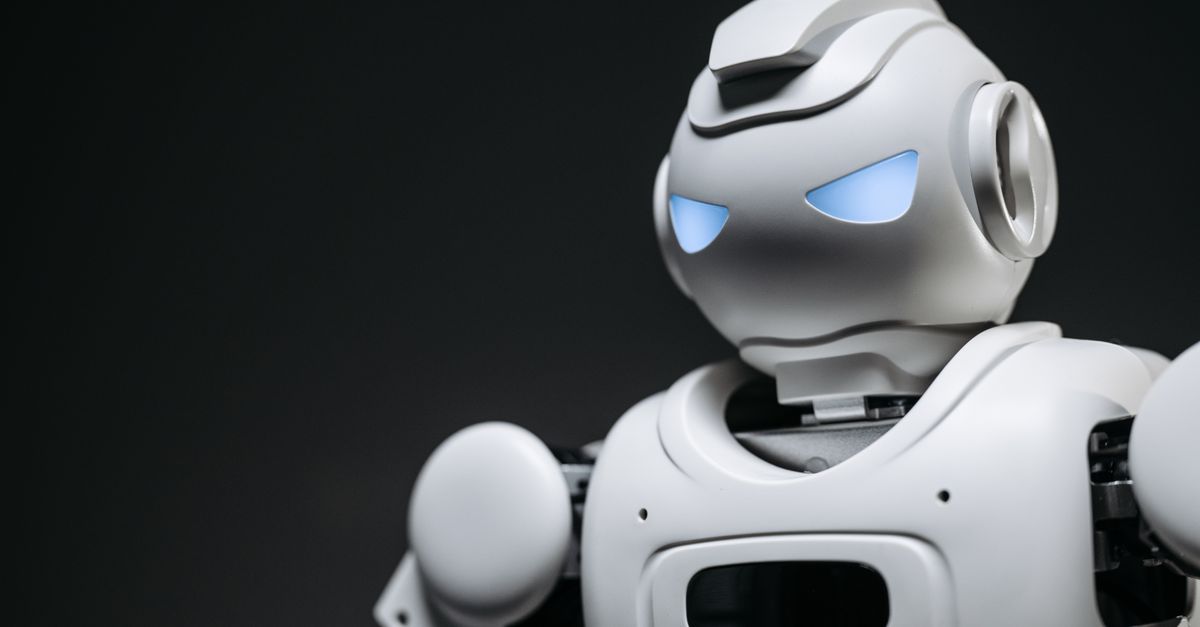
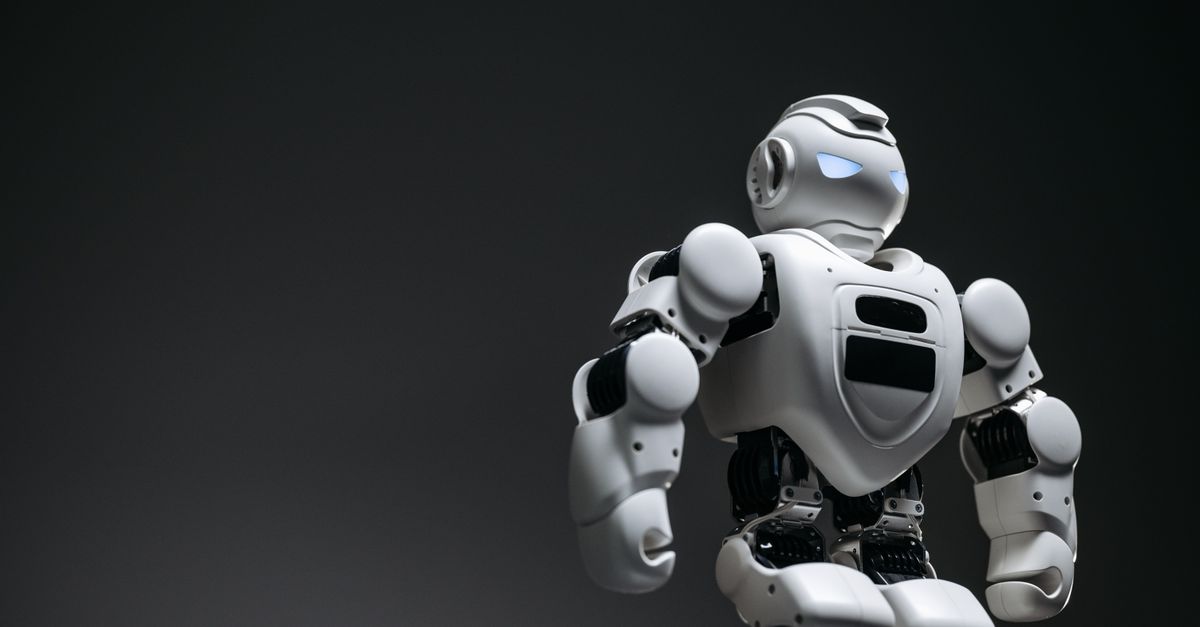
The new lab will prioritize the development of high-torque density joint actuators and solid-state vision modules designed to operate reliably in high-temperature environments common across Indian industrial zones. Research teams will utilize a custom-built testbed featuring a 32-degree-of-freedom humanoid chassis to validate locomotion algorithms and dexterous manipulation pipelines. The project leverages Bosch’s precision manufacturing capabilities alongside IIT Madras’s advanced control theory and machine learning research. Engineers will utilize digital twin simulations to stress-test joint mechanisms under continuous operational loads before physical prototyping begins.
Indian Market Relevance and Pricing Targets
According to project leads, the primary objective is to reduce the manufacturing cost of functional humanoid prototypes to under ₹15 lakhs (approximately $18,000 USD) by the end of 2026. This pricing strategy directly addresses the current barrier to adoption in India’s SME manufacturing sector, where imported humanoid systems typically exceed ₹1.5 crores. The lab will also focus on adapting humanoid platforms for unstructured Indian work environments, including monsoon-resistant housing and localized language-processing interfaces for operator interaction.
Industry Collaboration and Deployment Roadmap
The initiative includes partnerships with three major Indian automotive component manufacturers and two state-funded healthcare technology institutes. Prototype units will begin field trials at Bosch’s Chennai facility in early 2025, focusing on material handling and precision assembly tasks. The research team plans to open-source key control firmware and sensor integration modules by mid-2025, aiming to stimulate a broader ecosystem of Indian humanoid robotics startups. The laboratory will also host a quarterly fellowship program for doctoral candidates specializing in soft robotics and reinforcement learning, with placements guaranteed across partner manufacturing firms. Funding for the initial phase is provided through a joint corporate grant and a targeted Ministry of Electronics and Information Technology (MeitY) research allocation.
More in Reviews & Opinion