IIT Madras and Cognibotics Unveil Open-Source Humanoid Research Platform - RobotWale News

IIT Madras and Cognibotics Unveil Open-Source Humanoid Research Platform
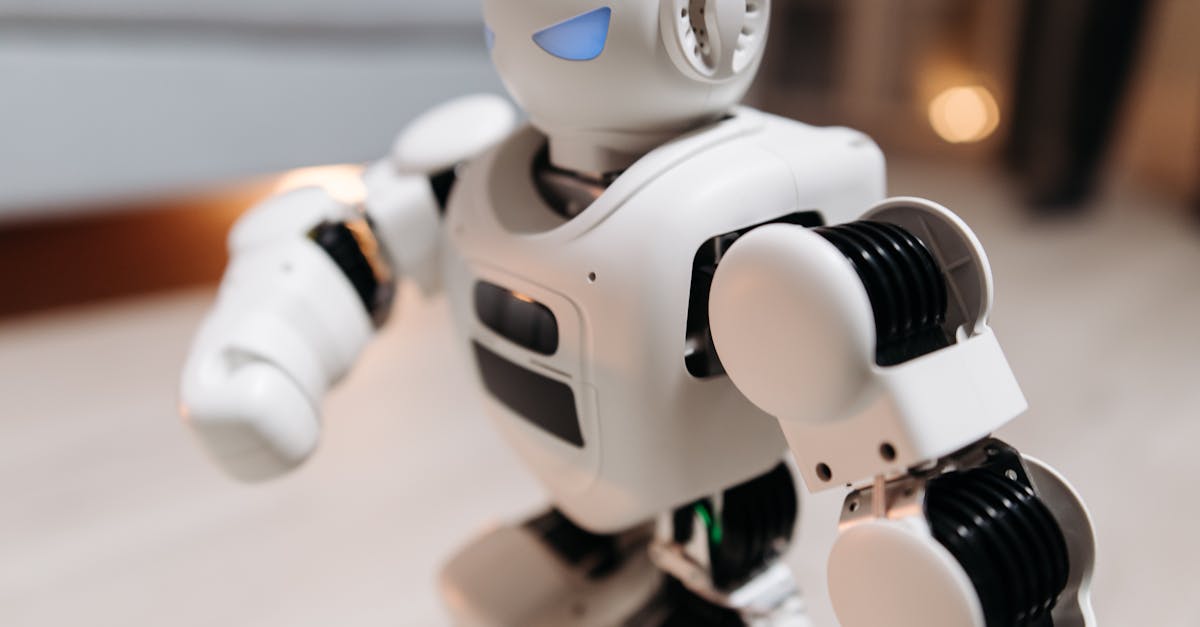
On 14 October 2024, the Indian Institute of Technology Madras (IITM) and Chennai-based robotics firm Cognibotics officially launched the Astra Humanoid Research Platform, a modular, open-source humanoid chassis designed specifically for academic and industrial laboratories across India. The announcement marks a coordinated effort to lower the entry barrier for humanoid robotics research, which has historically been constrained by high hardware costs and proprietary control systems.
Technical Architecture and Open-Source Stack
The Astra platform features a 34-degree-of-freedom actuated body, custom-designed torque-controlled joints, and a distributed computing architecture built around NVIDIA Jetson Orin modules. The system runs on a modified ROS 2 Humble framework, with fully published kinematic models, dynamic simulations, and low-level firmware available under the MIT License. Researchers can access pre-trained locomotion policies, manipulation primitives, and sensor fusion pipelines through the project’s public repository. IITM’s Robotics Research Lab will host the first deployment, followed by a phased rollout to partner institutions.
Pricing and Academic Accessibility
Unlike commercial humanoid prototypes that typically exceed ₹2.5 crore, the Astra Research Kit is priced at ₹18.5 lakh per unit for academic institutions. Cognibotics has structured a tiered licensing model that grants universities access to the hardware, simulation environments, and technical documentation at a subsidized rate. The company also offers a lab deployment package for ₹22 lakh, which includes on-site installation, calibration support, and a two-year firmware update subscription. Government-funded research centers and recognized university departments can apply for the institutional grant program, which covers up to 40 percent of the base cost.
Impact on Indian Robotics Labs
The platform directly addresses a critical gap in India’s humanoid robotics ecosystem by providing a standardized hardware baseline for algorithm development, reinforcement learning, and human-robot interaction studies. IITM researchers will lead initial validation trials focusing on dynamic balance, torque control stability, and real-time perception pipelines. Partner labs across IITs, IIITs, and central universities will receive priority allocation for the first production batch of 150 units. The consortium plans to publish benchmark datasets and control benchmarks by Q2 2025, aiming to accelerate open research in embodied AI and mobile manipulation.
More in Reviews & Opinion