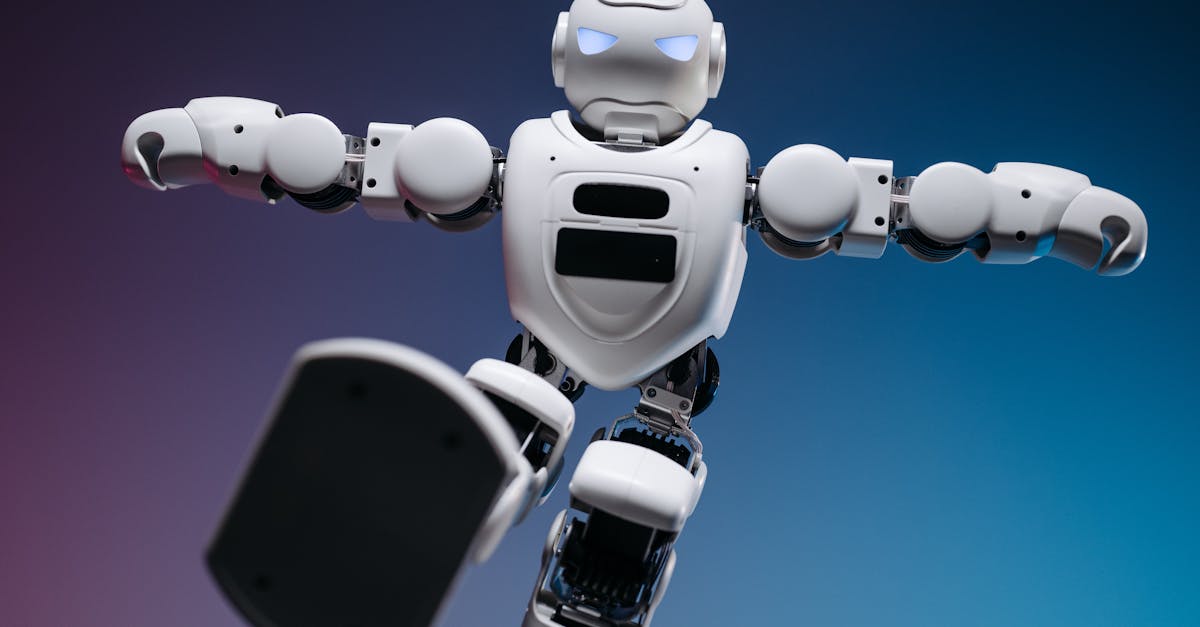
IIT Madras Demonstrates Indigenous Humanoid Robot 'Manav' at India Robotics Week - RobotWale News

Indigenous Breakthrough in Humanoid Robotics
BANGALORE — The Indian Institute of Technology (IIT) Madras has successfully demonstrated its indigenous humanoid robot, 'Manav', at the India Robotics Week held in Bangalore last week. The development marks a significant milestone for India's growing robotics sector, showcasing a machine capable of performing complex manipulation tasks in controlled industrial environments.
The demonstration took place on the IIT Madras campus, where researchers from the Department of Mechanical Engineering presented the prototype to a gathering of industry leaders and government officials. The robot, named 'Manav', features a bipedal structure designed for stability and dexterity, addressing key challenges in automation for the manufacturing and logistics sectors.
Cost Efficiency and Local Manufacturing
A key highlight of the launch is the focus on localization. The research team emphasized that by leveraging domestic supply chains, the Manav prototype offers a significant cost advantage compared to imported counterparts. While specific pricing details for commercial units were not disclosed, the team estimates that mass production could reduce the cost by approximately 40 percent compared to similar international models.
This localization strategy aligns with the Government of India's Production-Linked Incentive (PLI) scheme, which encourages the manufacturing of advanced technologies within the country. The initiative aims to position India as a global hub for robotics manufacturing, reducing dependency on foreign imports.
Market Impact and Future Outlook
The unveiling of Manav signals a broader trend of Indian startups and academic institutions entering the high-value humanoid robotics market. Industry analysts suggest that this development could attract foreign investment and foster partnerships with global tech giants looking to localize their supply chains.
The IIT Madras team plans to refine the software for broader deployment by the end of the year. They are currently seeking collaborations with automotive and electronics manufacturers to test the robot in real-world scenarios. This move is expected to accelerate the adoption of humanoid automation in Indian industries, potentially creating thousands of specialized jobs in the sector.
As the global race for humanoid robotics intensifies, the Indian ecosystem is demonstrating its capacity to innovate from the ground up, leveraging its engineering talent to compete on the global stage.
More in Reviews & Opinion