IIT Madras Humanoid Lab Unveils Next-Gen Bipedal Algorithm for Manufacturing - RobotWale News
Research Breakthrough at IIT Madras
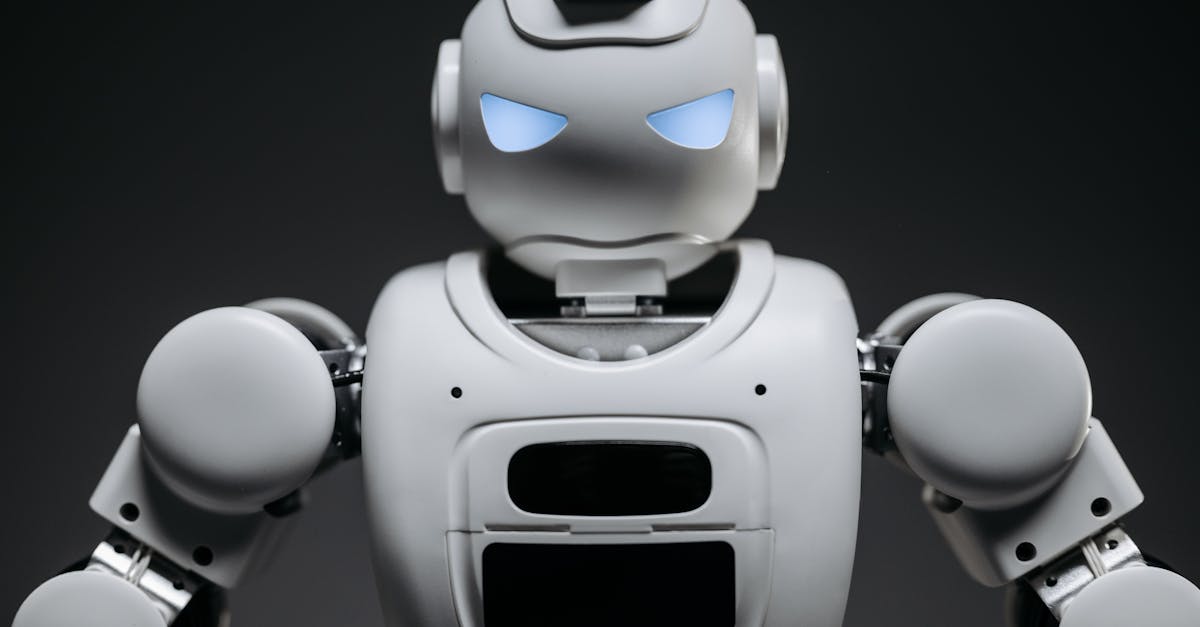
Researchers at the Indian Institute of Technology (IIT) Madras have announced a significant advancement in humanoid robotics, focusing specifically on bipedal locomotion stability. The team, led by the department of Mechanical Engineering, unveiled a new control algorithm designed to improve balance and adaptability in dynamic environments. This development marks a pivotal moment for India's robotics sector, positioning domestic research labs alongside global leaders in humanoid hardware development.
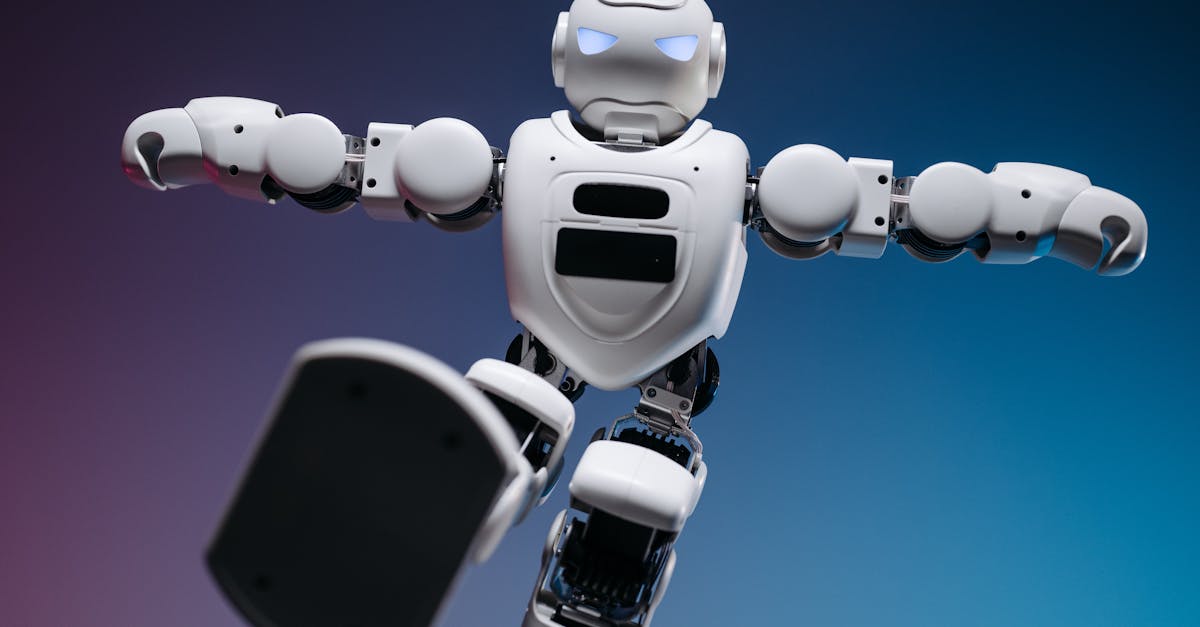
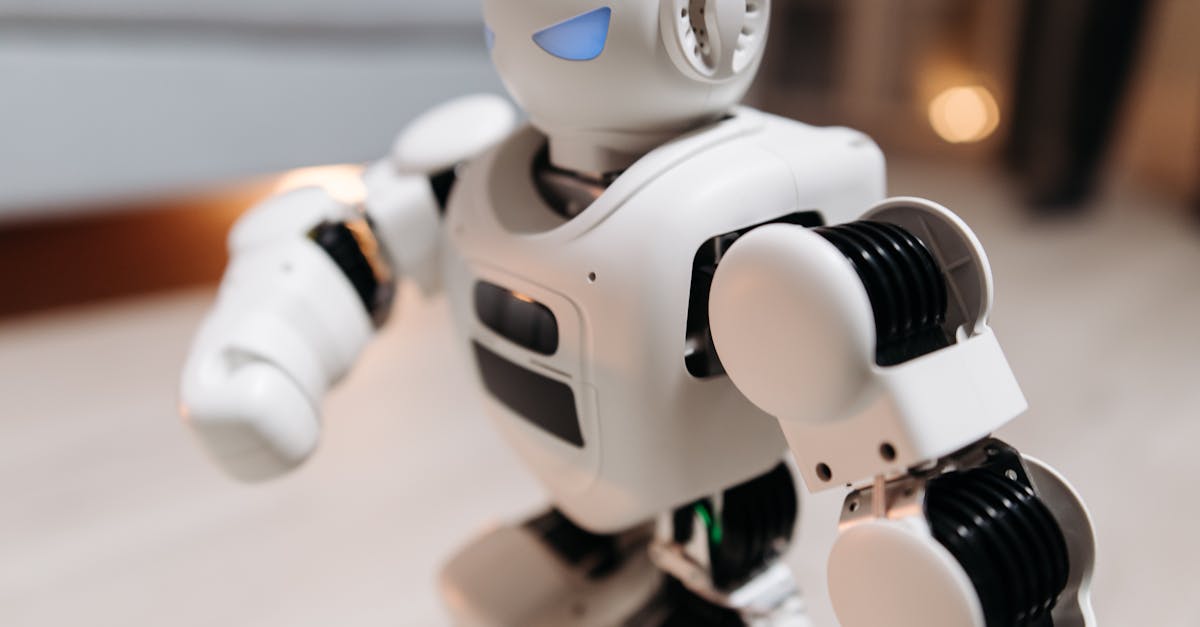
The prototype, referred to internally as the IIT-HR3, utilizes a custom-built sensor fusion system that integrates force-sensitive resistors and inertial measurement units. Unlike previous iterations, the new system allows the robot to navigate uneven terrain without manual intervention. The research team demonstrated the prototype's capabilities in a controlled lab environment, successfully recovering from external pushes and maintaining upright posture during high-speed walking.
India Relevance and Manufacturing Outlook
This research aligns with the Indian government's 'Make in India' initiative, which aims to reduce reliance on imported robotic components. The team is collaborating with local manufacturers to produce the structural components of the robot at a lower cost. While specific pricing has not been officially disclosed, the lab estimates that the final commercial unit will be priced competitively against international models, potentially falling under the $50,000 mark for industrial applications.
Industry experts suggest that this innovation could lower the barrier to entry for small and medium enterprises (SMEs) looking to automate assembly lines. The algorithm's open-source release for non-commercial research purposes further encourages academic collaboration across Indian institutions. The team plans to present their findings at the upcoming International Conference on Robotics and Automation, solidifying India's footprint in the global humanoid robotics discourse.
As the sector matures, the focus remains on scalability and safety. The IIT Madras team is currently working on integrating safety protocols to ensure human-robot interaction in shared workspaces. This development underscores the growing maturity of India's research and development ecosystem, proving that domestic labs are capable of producing cutting-edge hardware solutions.
More in Reviews & Opinion