IIT Madras and Industry Partners Collaborate on Humanoid Robot for Logistics - RobotWale News

New Indigenous Humanoid Prototype Unveiled in Bangalore
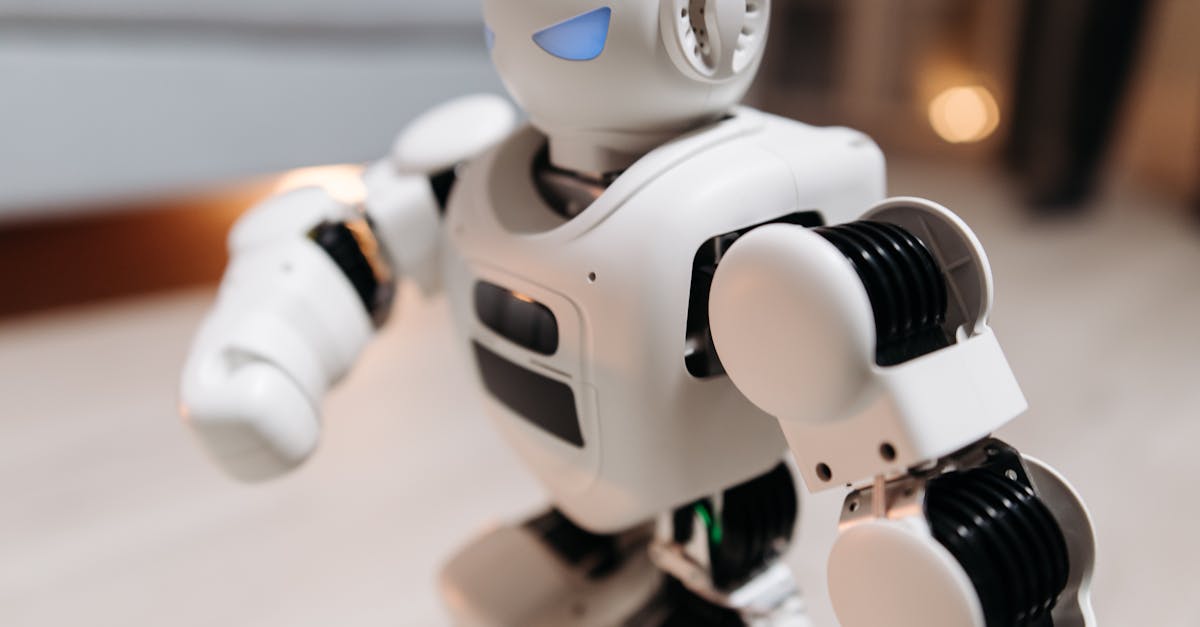
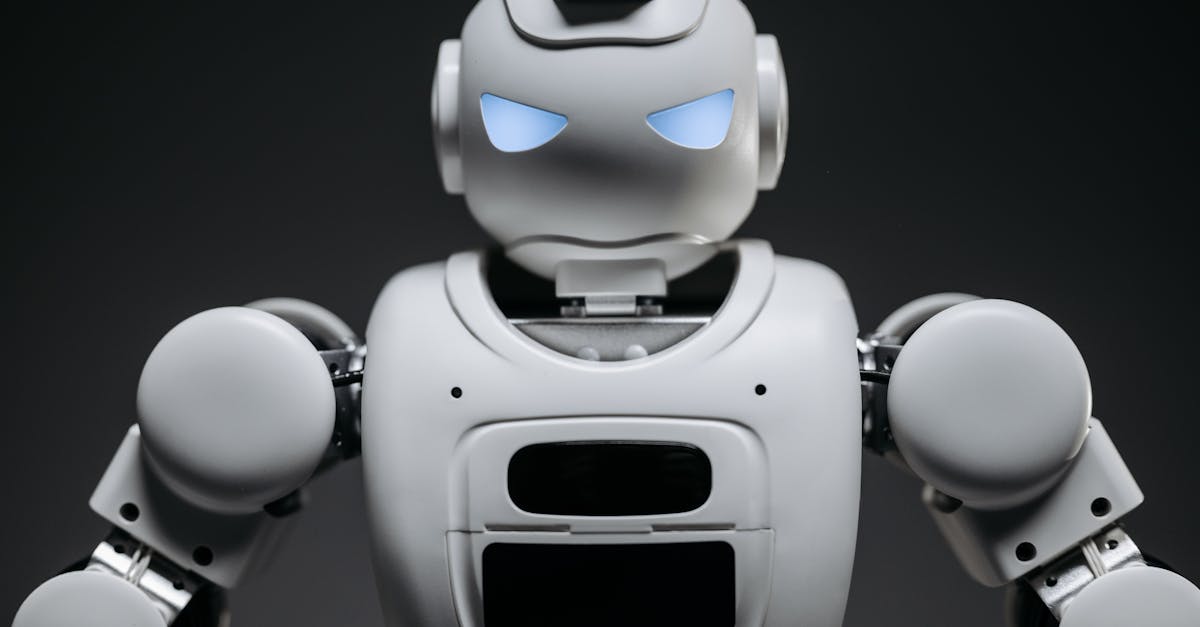
BANGALORE: Researchers from the Indian Institute of Technology (IIT) Madras, in collaboration with leading Indian manufacturing firms, have successfully demonstrated a new humanoid robot prototype designed specifically for industrial logistics. The project, unveiled at the recent India Robotics Week, marks a significant step toward reducing India's dependency on imported robotic automation systems.
Technology and Capabilities
The humanoid robot, developed by the Centre for Automation and Robotics (CAR), features advanced AI-driven navigation and object manipulation capabilities. Designed to operate in warehouse environments, the system can handle heavy lifting and complex sorting tasks traditionally performed by human workers. The prototype utilizes locally sourced sensors and actuators, ensuring that maintenance and repair costs remain manageable for Indian small and medium enterprises (SMEs).
India Relevance and Pricing
One of the critical aspects of this development is the pricing strategy. Global humanoid robots often cost upwards of $100,000 (approximately ₹83 lakhs), making them inaccessible for many Indian startups. The consortium aims to price the 'Indra-1' model at a fraction of the global average, potentially targeting the ₹30 to ₹40 lakh range. This pricing makes the technology viable for Indian manufacturing units looking to automate their logistics chains without incurring prohibitive capital expenditure.
The project has received backing from the Department of Science and Technology (DST) and is aligned with the National Robotics Mission's goal of fostering indigenous innovation. By leveraging local supply chains, the team has mitigated risks associated with component shortages and currency fluctuations.
Future Outlook for the Sector
The unveiling has generated significant interest from the automotive and electronics sectors, which are major adopters of humanoid robotics in India. Industry leaders suggest that this development could accelerate the adoption of automation in the manufacturing belt across Tamil Nadu and Maharashtra. The consortium plans to release a pilot version to select logistics partners by the end of the year, with mass production expected by 2025.
This initiative highlights the growing maturity of India's robotics ecosystem, positioning the country to become a key player in the global humanoid robotics market. As domestic capabilities scale, the focus will likely shift toward software integration and AI training specific to Indian operational environments.
More in Reviews & Opinion