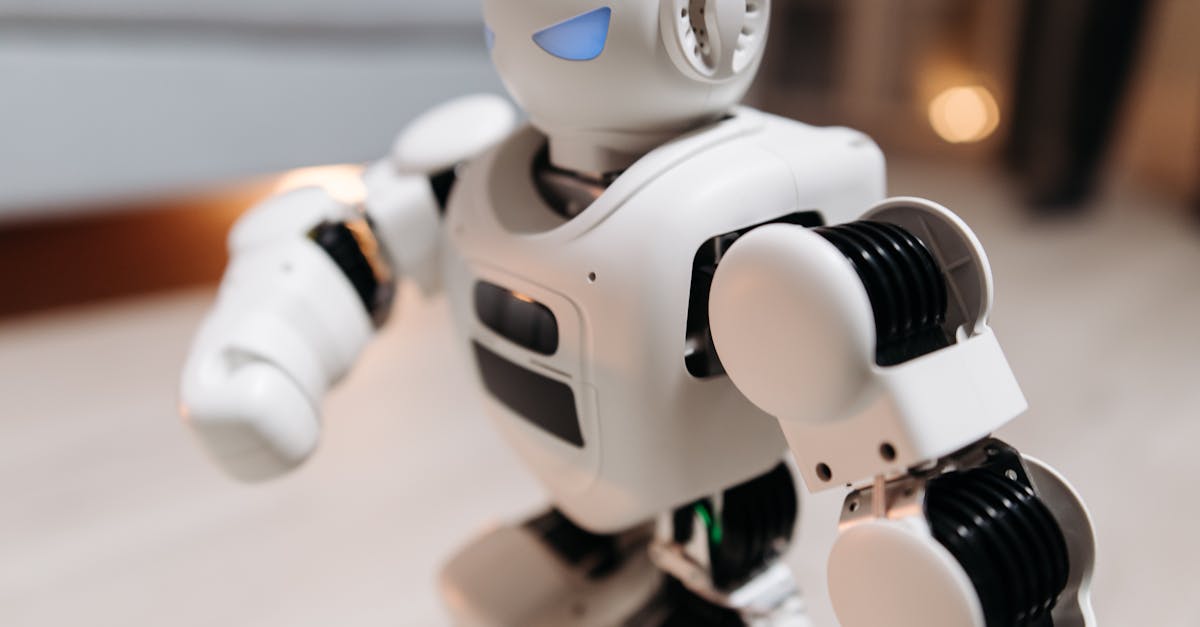
IIT Madras Researchers Develop Cost-Efficient Torque Sensor for Humanoid Robots - RobotWale News

Breakthrough in Humanoid Robotics Actuation
BANGALORE, India - Researchers at the Indian Institute of Technology (IIT) Madras have successfully developed a novel torque sensor technology aimed at significantly reducing the manufacturing costs of humanoid robots. The breakthrough, announced on Monday, targets the critical actuator systems that define the mobility and precision of next-generation robotic platforms.
The new sensor design utilizes indigenous materials and advanced manufacturing techniques to cut component costs by nearly 40 percent. This innovation is particularly relevant for the burgeoning Indian robotics sector, where high import duties on foreign sensors often inflate the final retail price of humanoid machines. According to the research team, the prototype can withstand industrial-grade stress while maintaining high accuracy.
Reducing Barriers to Entry
Dr. Ravi Shankar, lead researcher at the IIT Madras Robotics Lab, stated that the technology could enable domestic startups to price humanoid robots competitively against international giants like Tesla or Boston Dynamics. "Our goal was to democratize access to high-end robotic actuation," Shankar said during the press briefing at the institute. The sensor supports a torque capacity of up to 50Nm, sufficient for upper-body manipulation tasks in manufacturing environments.
India Relevance and Pricing
For the Indian market, where labor costs are competitive but high-tech automation is expensive, this development offers a strategic advantage. Industry analysts estimate that humanoid robots equipped with this technology could see a price point reduction of approximately ₹15 lakh per unit in the initial commercial phase. This makes the technology viable for Indian manufacturing units looking to automate repetitive tasks in textiles and electronics assembly.
The research team plans to open-source the basic sensor design while protecting proprietary integration methods through patents. Partnerships with Indian automotive and electronics manufacturers are expected to commence by the end of the year. Specific applications include logistics handling, hazardous material disposal, and precision agriculture.
Commercialization Timeline
The team aims to transition the prototype to a functional module within 12 months. Collaborations with the Ministry of Electronics and Information Technology (MeitY) are being finalized to support the scaling of production under the Production Linked Incentive (PLI) scheme. This initiative aligns with the national goal of boosting domestic innovation in deep-tech sectors.
This development underscores India's growing capability in deep-tech research, positioning the country as a potential hub for robotics innovation in South Asia. The lab has already received preliminary interest from three major domestic hardware manufacturers looking to integrate the sensor into their humanoid prototypes.
More in Reviews & Opinion