IIT Madras Robotics Lab Announces Breakthrough in Humanoid Locomotion - RobotWale News

New Humanoid Prototype Unveiled by IIT Madras
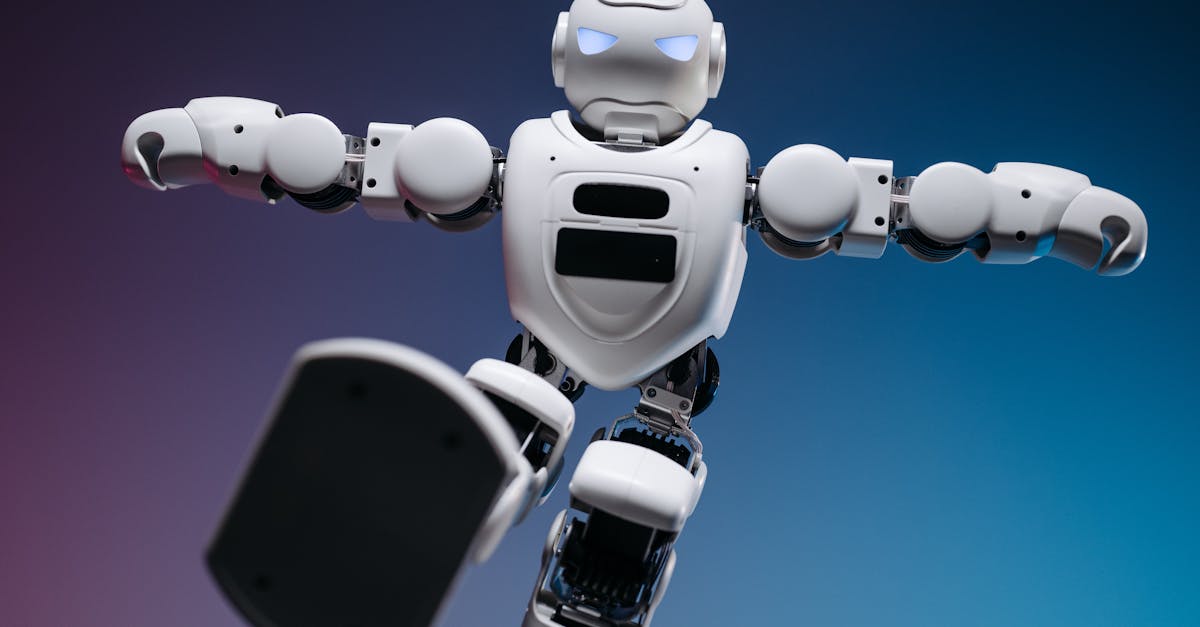
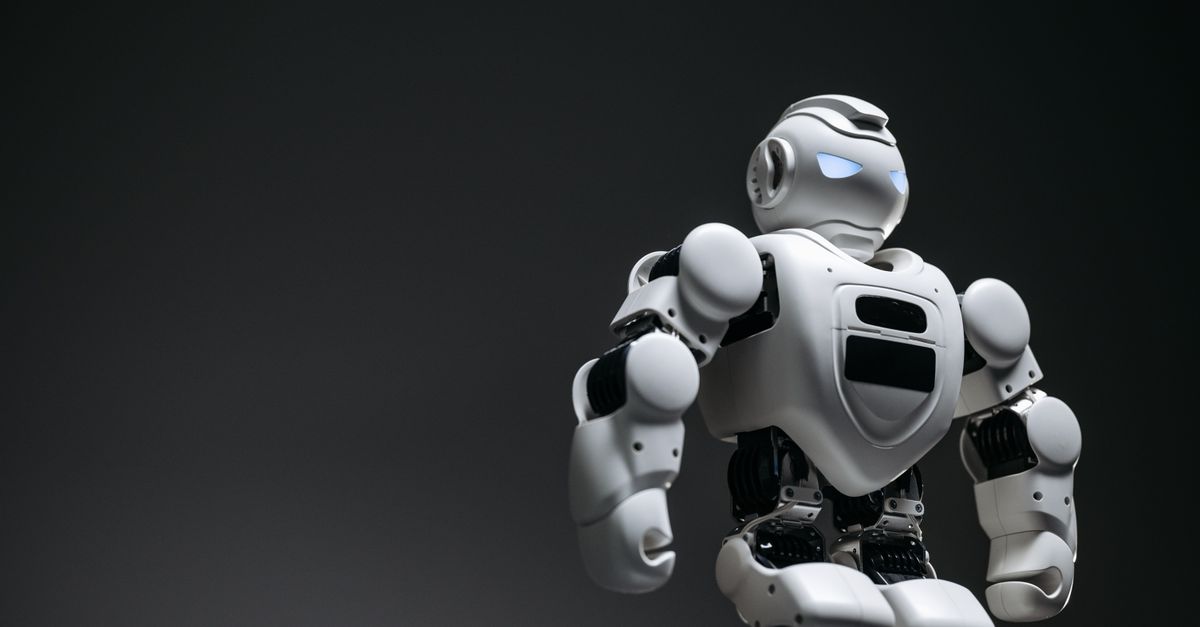
In a significant milestone for India's autonomous robotics sector, researchers at the Indian Institute of Technology (IIT) Madras Robotics Lab have officially unveiled a new humanoid prototype designed for industrial safety tasks. Announced this week, the prototype represents a major leap in domestic research capabilities, aiming to reduce dependency on imported robotics solutions. The development team, led by senior faculty members, has focused on creating a system that can navigate complex environments typical of Indian manufacturing units.
Technical Specifications and Research Focus
The new humanoid robot features advanced sensor fusion technology, allowing for real-time environmental mapping and obstacle avoidance. Unlike previous iterations, this model incorporates a lightweight exoskeleton design that enhances mobility without compromising structural integrity. The research lab emphasized that the prototype utilizes indigenous control algorithms, significantly lowering the latency in response times compared to foreign counterparts. This technical breakthrough addresses critical challenges in humanoid stability, ensuring safer interaction between robots and human workers in shared factory spaces.
Cost Implications for the Indian Market
Pricing remains a crucial differentiator for this launch. While global competitors often price humanoid robots above $100,000, the IIT Madras team estimates the final cost will be approximately INR 45 lakhs for the base industrial model. This pricing strategy aims to make advanced automation accessible to Small and Medium Enterprises (SMEs) across India. The lab confirmed that mass production is contingent upon securing government grants and private partnerships with Indian automotive manufacturers.
Future Research Roadmap
Following the prototype's successful testing, the research team plans to expand their capabilities to include AI-driven decision-making for hazardous material handling. The project timeline targets full deployment in select industrial zones by early next year. This development underscores the growing momentum of India's robotics research ecosystem, positioning the country as a potential hub for cost-effective humanoid technology in the Global South.
More in Reviews & Opinion