Beyond the Hype: Indian Robotics Startups Delivering Shipped Hardware

India's Robotics Landscape: Shipping Hardware vs. Concept Announcements
India's robotics sector has historically oscillated between high-profile prototype launches and tangible deployment in warehouses and homes. While global narratives often fixate on humanoid robotics, the Indian ecosystem's strength lies in autonomous mobile robots (AMRs) and specialized service units. This article evaluates key players based on a strict hierarchy: shipping hardware first, pilot deployments second, and announcements last.
The distinction between a "concept" and a "unit in the field" is critical for investors and industrial buyers. In 2024, the Indian robotics market has matured beyond the demo stage for logistics, but the humanoid sector remains largely in the prototype-to-pilot transition phase. We examine the hardware reality of Addverb, Peer Robotics, Genrobotic, and Miko.
Logistics Leaders: Addverb Technologies
Shipping Hardware and Pilot Deployments
Addverb Technologies, based in Noida, represents the most mature segment of the Indian robotics industry. Unlike many startups that announce hardware before validation, Addverb has shipped thousands of units globally. Their product line focuses on Automated Guided Vehicles (AGVs) and Autonomous Mobile Robots (AMRs).
Key Models:
- Addverb M1: A lightweight AMR with a 500kg payload capacity. This unit is widely deployed in manufacturing floors across India and Southeast Asia.
- Addverb Robu: A collaborative robot arm designed for pick-and-place tasks in assembly lines.
Availability & Pricing: Addverb units are B2B focused. While exact pricing varies by configuration, landed costs for a standard AMR range between ₹12,00,000 and ₹25,00,000 INR depending on battery capacity, navigation sensors (LiDAR vs. visual), and payload requirements.
Deployment Reality: Addverb has moved beyond the pilot phase. Their units operate in live manufacturing environments, handling material transport without constant human oversight. This is a benchmark for the industry: software reliability in dynamic Indian factory settings (often with dust and uneven flooring).
Reference: Addverb Technologies Official Site.
The Humanoid Frontier: Peer Robotics and Genrobotic
Peer Robotics: The Android Approach
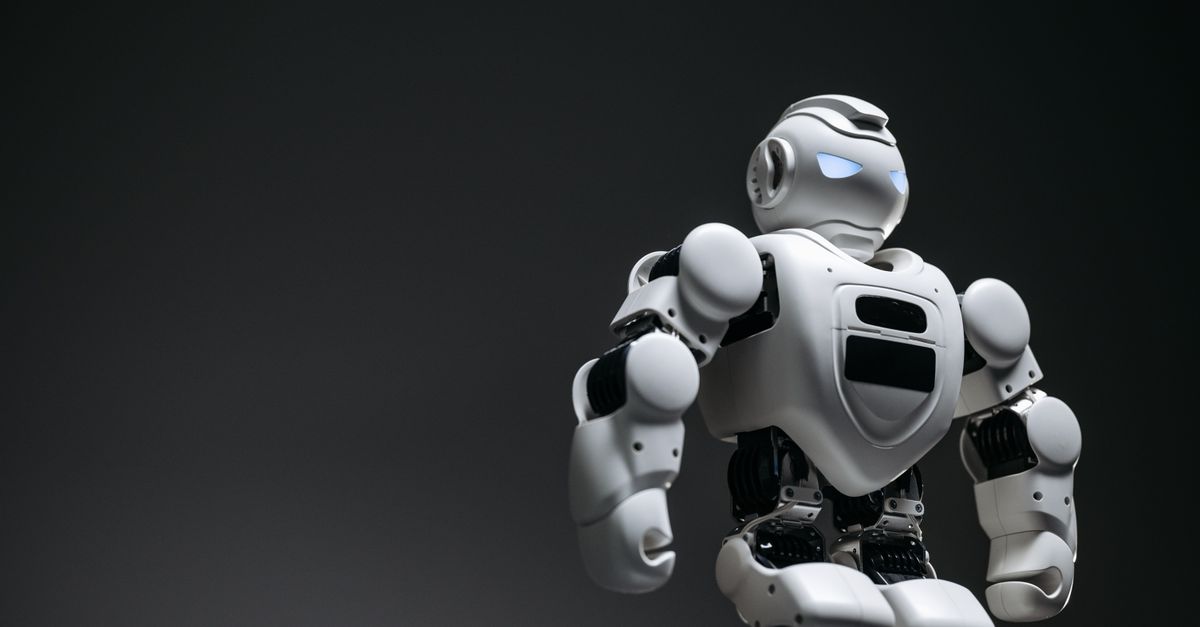
Peer Robotics (Bangalore) has garnered significant attention for its humanoid robot, "Peer." The company positions itself as a builder of general-purpose robots capable of performing tasks in unstructured environments.
Status: Pilot Deployment & Prototype.
While Peer Robotics has demonstrated walking capabilities and object manipulation in press releases, the volume of units shipped to paying customers remains low compared to logistics firms. Their humanoid features a bipedal structure designed for 1.5m to 1.7m height ranges.
Technical Specs: The unit reportedly utilizes onboard AI for navigation and manipulation. However, the software stack for complex task execution (e.g., folding laundry, handling fragile items) is often the bottleneck in humanoid startups globally.
India Availability: Currently available for B2B pilots. Pricing is not publicly listed but estimates for humanoid platforms of this tier typically exceed ₹50,00,000 INR per unit due to actuator costs and sensor suites.
Reference: Peer Robotics Official Site.
Genrobotic: The G1 Initiative
Genrobotic, another Bangalore-based entity, has announced the G1 humanoid. This unit aims to address the gap between specialized industrial arms and general-purpose service robots.
Status: Prototype & Early Announcements.
Genrobotic's public demonstrations have shown static stability and basic navigation. However, verification of units shipped to third-party factories is limited in public reporting. The focus remains on the development of the kinematic chain and battery efficiency.
Market Position: Genrobotic competes directly with global entrants (like Tesla Optimus or Figure AI) but with a localized focus on Indian supply chains. The challenge lies in sourcing high-torque actuators domestically versus importing them, which impacts the landed cost.
Reference: Genrobotic Technologies.
Consumer Robotics: Miko AI
Shipped Units in Indian Homes
Miko distinguishes itself by targeting the B2C market. The Miko AI robot is designed as an educational companion for children, offering voice interaction, storytelling, and video calling.
Status: Shipping Hardware.
Unlike the humanoid segment, Miko has achieved mass-market penetration in India. The device is sold via e-commerce platforms and direct sales channels.
Key Features: Miko 3 and Miko Plus models utilize cloud-based AI for conversation. The hardware includes cameras, microphones, and a small display.
Availability & Pricing: Units are readily available in India. The Miko 3 typically retails between ₹25,000 and ₹45,000 INR. This affordability is driven by standardized components and cloud reliance rather than complex robotics hardware.
Reliability: Reviews indicate consistent performance for its intended use case (child safety and education), though it is not designed for industrial labor.
Reference: Miko AI Official Site.
Market Analysis: Pricing, Availability, and Supply Chain
The Hardware Reality Check
The gap between "Announcement" and "Shipped Unit" is the primary filter for Indian robotics startups. Addverb represents the high-volume end of the spectrum, while Peer and Genrobotic represent the high-value, low-volume R&D end.
Component Sourcing: Critical components like harmonic drives, LiDAR sensors, and high-torque servo motors are predominantly imported. This affects the landed cost. For example, an AMR from Addverb may cost ₹15 Lakhs INR, while a similar specification unit from a Chinese manufacturer might be lower due to economies of scale.
Software Localization: Indian robotics faces a unique challenge: operating in low-bandwidth environments and noisy industrial settings. Addverb's success is partly due to optimizing their SLAM (Simultaneous Localization and Mapping) algorithms for these specific constraints.
Pricing Tiers in INR
To provide clarity for potential buyers, we categorize the hardware by price point:
- Entry Level (< ₹5 Lakhs): Miko AI, basic robotic arms, educational kits.
- Mid Level (₹5 Lakhs - ₹15 Lakhs): Entry-level AGVs, specialized service bots (e.g., security, cleaning).
- High Level (₹15 Lakhs - ₹50 Lakhs): Advanced AMRs (Addverb M1), early humanoid pilots.
- Enterprise Humanoid (> ₹50 Lakhs): Peer Robotics, Genrobotic G1 (Estimated).
Note: These are landed cost estimates. Actual B2B contracts often include annual maintenance contracts (AMC) and software licensing fees.
Challenges in Scaling Indian Robotics
Manufacturing Infrastructure
While assembly is possible in India, the upstream manufacturing of precision parts remains a hurdle. Startups like Addverb have invested in assembly lines, but the reliance on imported components means currency fluctuation impacts pricing stability.
Funding and ROI
Investors are increasingly demanding ROI from robotics deployments. A ₹20 Lakh AMR must prove it saves labor costs within 18 months. This pressure forces startups to focus on AMRs (Addverb) rather than speculative humanoids.
Regulatory Environment
India lacks a comprehensive robotics regulatory framework for liability in autonomous operations. This creates hesitation among large enterprises to deploy high-value units like humanoids without human supervision.
Conclusion: The Path Forward
The Indian robotics sector is bifurcated. On one side, companies like Addverb are delivering reliable, shipped hardware that improves logistics efficiency. On the other, startups like Peer Robotics and Genrobotic are pushing the boundaries of humanoid capabilities, though their shipping numbers remain in the double digits rather than thousands.
For the consumer, Miko offers a tangible product today. For the industry, Addverb offers a solution for automation. For the future of general-purpose robotics, the peers are watching closely to see if the Indian humanoid prototypes can transition from demo videos to factory floors.
RobotWale continues to monitor these developments, prioritizing verified shipping data over marketing claims. The next milestone to watch is the deployment of humanoid units in a commercial Indian setting, moving beyond the lab environment.
References
- Addverb Technologies Official Site: https://addverb.com
- Peer Robotics Official Site: https://peerrobotics.com
- Genrobotic Technologies: https://genrobotic.com
- Miko AI Official Site: https://miko.ai
- Industry Reports on Indian Robotics Market Growth: Economic Times Industry Analysis
Disclaimer: Pricing estimates are based on public announcements and market averages. Actual costs may vary based on customization, volume, and exchange rates.
✓ Key takeaways
- •Hands-on view of Beyond the Hype: Indian Robotics Startups Delivering Shipped Hardware inside our Indian Robotics Startups library.
- •Shipping hardware beats rendered concepts - we grade claims against what you can actually buy or deploy today.
- •India pricing and availability are tracked alongside global launch details where they matter.
References
Related articles
More in Indian Robotics Startups →