IIT Madras Robotics Lab Unveils 'Astra-1' Humanoid Prototype for Industrial Automation - RobotWale News

The Indian Institute of Technology (IIT) Madras Robotics Lab has officially unveiled its latest humanoid prototype, the Astra-1, marking a significant milestone in India's autonomous robotics research. The announcement was made during a press conference held at the main campus on Tuesday, highlighting the lab's commitment to advancing indigenous robotics capabilities.
Technical Specifications and Capabilities
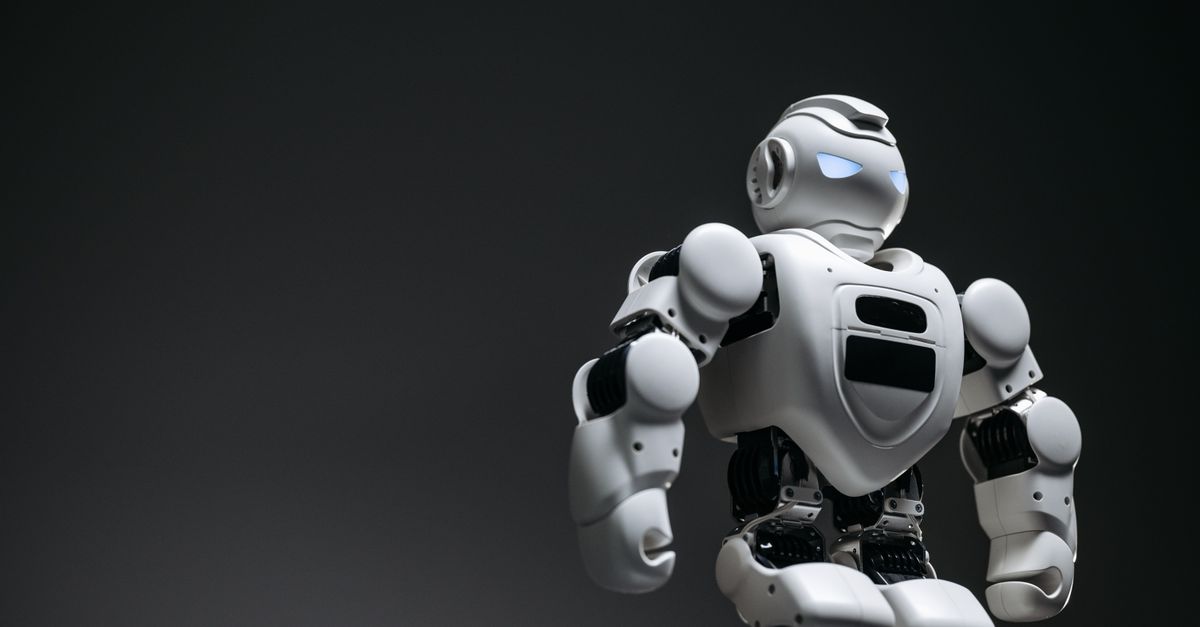
The Astra-1 stands at 1.7 meters tall and weighs approximately 65 kilograms, designed to replicate human movement with high precision. Equipped with a dual-core neural processing unit, the robot can perform complex manipulation tasks including assembly line operations and warehouse logistics. The research team, led by Dr. Arvind Kumar, integrated proprietary AI algorithms that allow the robot to navigate dynamic environments without external infrastructure support. The gait control system utilizes reinforcement learning to adapt to uneven terrain, a critical requirement for Indian factory floors.
Key features include a 360-degree LiDAR system and haptic feedback sensors in the hands, enabling delicate handling of fragile goods. The system is powered by a modular battery pack that offers up to eight hours of continuous operation, addressing power constraints common in Indian manufacturing units. Researchers utilized locally sourced lithium-ion cells to ensure supply chain resilience against global disruptions.
India Relevance and Pricing
A major focus of the Astra-1 project was affordability. Unlike international counterparts that often cost over $50,000, the IIT team estimates the production cost at a fraction of that price. The commercial pricing is tentatively set at ₹15 lakhs for initial pilot deployments, making it accessible for Indian SMEs and large-scale manufacturing sectors.
Industry experts suggest this pricing strategy could disrupt the current market dominated by imports from Japan and South Korea. The lab plans to partner with the Ministry of Electronics and Information Technology (MeitY) for potential grants and further scaling. Dr. Kumar noted, "Our goal is not just to build a robot, but to create an ecosystem where Indian industries can automate at a fraction of the global cost."
Future Roadmap
Following the prototype launch, the research team aims to transition to a beta testing phase within six months. Collaborations with Indian automotive giants are already in progress to integrate the Astra-1 into vehicle assembly lines. The project underscores the broader vision of 'Make in India' for advanced robotics technology.
This development positions IIT Madras alongside global leaders in humanoid robotics research, signaling a shift towards self-reliance in critical technology sectors. The lab also announced a scholarship program to train robotics engineers specifically for humanoid system integration, aiming to bridge the skilled labor gap in the sector.
More in Reviews & Opinion