IIT Madras Unveils HR-1 Humanoid Robot for Indian Manufacturing Sector - RobotWale News

IIT Madras Advances Humanoid Robotics with New Prototype
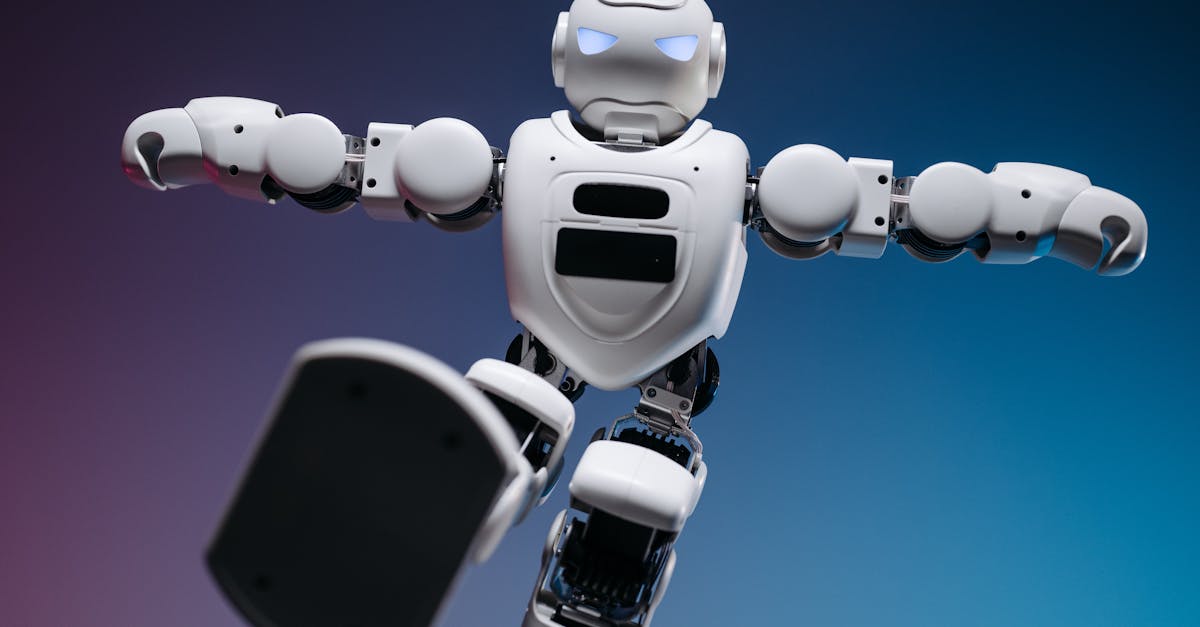
New Delhi: In a significant development for India's robotics sector, the Indian Institute of Technology (IIT) Madras has unveiled the 'HR-1', a new humanoid robot prototype designed specifically for industrial automation. The demonstration took place at the National Robotics Summit held in Bengaluru this week, marking a major step toward 'Make in India' manufacturing goals.
The HR-1 is engineered to perform complex tasks in factory environments, ranging from assembly line operations to material handling. Unlike many international counterparts that rely on expensive imported components, the HR-1 utilizes locally sourced actuators and a proprietary AI stack developed by the IIT Madras AI Lab. This localization strategy aims to reduce the total cost of ownership for Indian manufacturers.
Technical Specifications and AI Capabilities
The humanoid robot features a bipedal locomotion system capable of navigating uneven terrain within warehouse facilities. It is equipped with advanced computer vision sensors and a reinforcement learning-based control system, allowing it to adapt to dynamic environments without constant human intervention. The onboard AI processes visual data in real-time, enabling the robot to identify objects, manipulate them, and navigate safety protocols autonomously.
Powering the unit is a high-density lithium-ion battery pack designed to support up to eight hours of continuous operation. This duration is critical for shift-based manufacturing workflows common in India's industrial hubs. The robotic joints utilize harmonic drive actuators, offering high precision while maintaining a compact form factor suitable for crowded factory floors.
India Relevance and Pricing Strategy
One of the most critical aspects of the HR-1 is its pricing model. While global humanoid robots often command prices exceeding $100,000, the HR-1 is projected to be available at a competitive price point of approximately $15,000 to $20,000 for early adopters. This pricing makes it accessible for small and medium enterprises (SMEs) participating in the Production Linked Incentive (PLI) schemes.
Industry experts suggest that the availability of affordable humanoid robots will accelerate automation in sectors like automotive, textiles, and electronics manufacturing. The Indian government's push for robotics integration has created a favorable ecosystem, with several startups expressing interest in deploying the HR-1 in pilot projects across Tamil Nadu and Karnataka.
Future Roadmap
Following the successful prototype demonstration, IIT Madras plans to enter the mass production phase by the end of the fiscal year. Partnerships with local manufacturers are being finalized to scale the production of critical components. The research team aims to introduce software updates that will expand the robot's capabilities to include customer service and logistics delivery in the coming years.
This development underscores India's growing capability in developing advanced robotics hardware, reducing dependency on foreign technology imports. As the sector matures, the HR-1 represents a pivotal moment for the integration of artificial intelligence and physical robotics within the Indian industrial landscape.
More in Reviews & Opinion