India Launches Regulatory Sandbox for Humanoid Robotics Deployment - RobotWale News
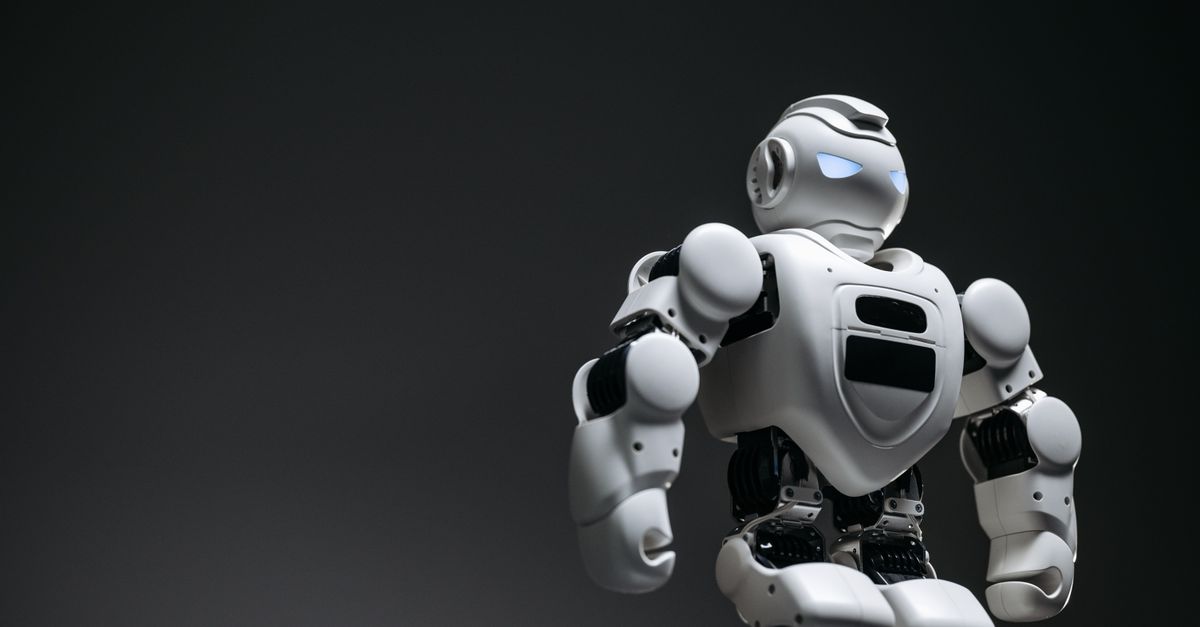
New Framework Unveiled to Accelerate Humanoid Robotics Adoption
The Ministry of Heavy Industries (MHI) and the Department of Science and Technology (DST) jointly announced a Regulatory Sandbox for Humanoid Robotics on Tuesday. This initiative aims to streamline compliance for companies developing and deploying humanoid robots within designated industrial corridors across India.
Under the new policy, startups and established manufacturers will be able to test autonomous humanoid systems in restricted zones without undergoing the full certification process initially. The sandbox will focus on safety protocols, data privacy, and liability frameworks specific to non-industrial humanoid applications.
Focus on Local Manufacturing and Cost Reduction
A key component of the regulation is the incentive structure for 'Make in India' components. Companies utilizing over 50% locally sourced hardware will receive expedited clearance and tax incentives. Experts estimate this could reduce the deployment cost of humanoid service robots by up to 30% compared to imported models.
The policy also mandates that all humanoid robots operating in public spaces must adhere to specific data localization norms. This ensures that biometric and operational data collected by robots remains within Indian borders, addressing national security concerns raised by the Ministry of Electronics and Information Technology (MeitY).
Industry leaders have welcomed the move. The Robotics Association of India (RAI) stated that clear regulations will provide the confidence needed for heavy investment in the sector. Pilot projects are expected to launch in the National Capital Region and Bangalore by the end of the fiscal year.
Pricing Implications for Domestic Market
With the new regulatory clarity, the projected price range for domestic humanoid robots is expected to settle between INR 15 lakh and INR 40 lakh per unit. This price point positions Indian-made robots competitively against global counterparts like Tesla's Optimus or Figure AI, which are currently priced significantly higher in international markets.
The framework prioritizes the automotive and textile sectors for initial deployment. These industries face labor shortages and require precise automation. The government aims to integrate 500 humanoid units in pilot factories by 2025.
The Ministry has also proposed a dedicated grievance redressal mechanism for accidents involving robots, ensuring that victims have legal recourse without stifling innovation. Speaking at the India Robotics Summit in New Delhi, MHI Secretary Raghavendra Kumar emphasized that this policy aligns with the broader National Manufacturing Policy.
The framework is set to be finalized after a 60-day public consultation period. Stakeholders can submit feedback on the proposed liability clauses and ethical guidelines before the final notification is issued next month. The consultation period concludes on November 30th.
This initiative is part of the broader National Robotics Mission, which aims to position India as a global manufacturing hub for advanced automation technologies by 2030.
More in Reviews & Opinion