India Robotics Week 2024 Concludes in Pune with Major Humanoid Showcases - RobotWale News

India Robotics Week 2024 Concludes in Pune with Major Humanoid Showcases
The 2024 edition of the India Robotics Week concluded this week in Pune, marking a significant milestone for the nation's rapidly evolving automation sector. The three-day expo, held at the Pune Exhibition Centre, brought together over 150 exhibitors from across the globe, with a special focus on humanoid robotics capabilities tailored for the Indian market.
Key Launches and Pricing Announcements
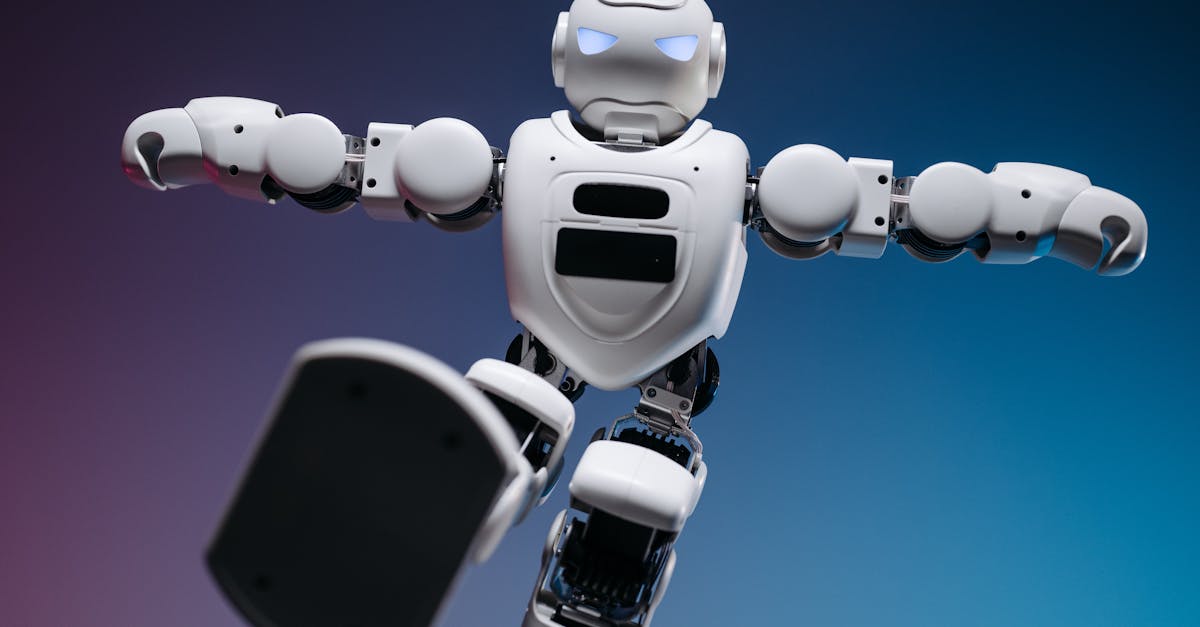
Leading the charge was the debut of the 'Swara-1' humanoid robot by Pune-based innovators. Priced at approximately Rs 12 lakh, the unit aims to bridge the gap between industrial automation and domestic assistance. The robot features a 6-degree-of-freedom arm capable of handling delicate assembly tasks. The Ministry of Heavy Industries reported that over 40% of the showcased units are designed for cost-effective manufacturing applications, directly addressing the labor shortage in the Indian manufacturing sector.
Another highlight was the 'Agni-X' series launch by Bengaluru-based tech firms. Targeting the logistics sector, these units were priced between Rs 8 lakh and Rs 15 lakh depending on the battery capacity. The event also saw a record 50,000 visitors, including students from over 30 engineering colleges across India. The Humanoid Robotics Challenge held during the expo saw six teams compete for a Rs 50 lakh prize pool, further stimulating innovation.
Future Collaboration and Government Support
The expo concluded with a significant MoU between the Robotics Sector Development Council and three major automotive manufacturers. This agreement aims to integrate humanoid robots into assembly lines by 2026. Industry analysts suggest that the pricing models introduced at the event make India a potential hub for cost-efficient robotics deployment compared to Western markets.
The government's 'Make in India' initiative for robotics was also spotlighted, with new tax incentives announced for companies manufacturing core robot components domestically. This move is expected to reduce the import dependency on foreign actuators and sensors by 30% over the next two years. Attendees noted that the event successfully showcased how humanoid robots can be adapted for local conditions, from temperature resistance to specific language interfaces for Indian workers.
Organizers confirmed that the next edition will expand to include a dedicated space for drone integration, reflecting the converging technologies shaping the future of automation in India.
More in Reviews & Opinion