Indian Humanoid Startups Unveil Commercial Platforms at Global Robotics Expo 2024 - RobotWale News

Industry Leaders Gather for Global Humanoid Robotics Expo 2024
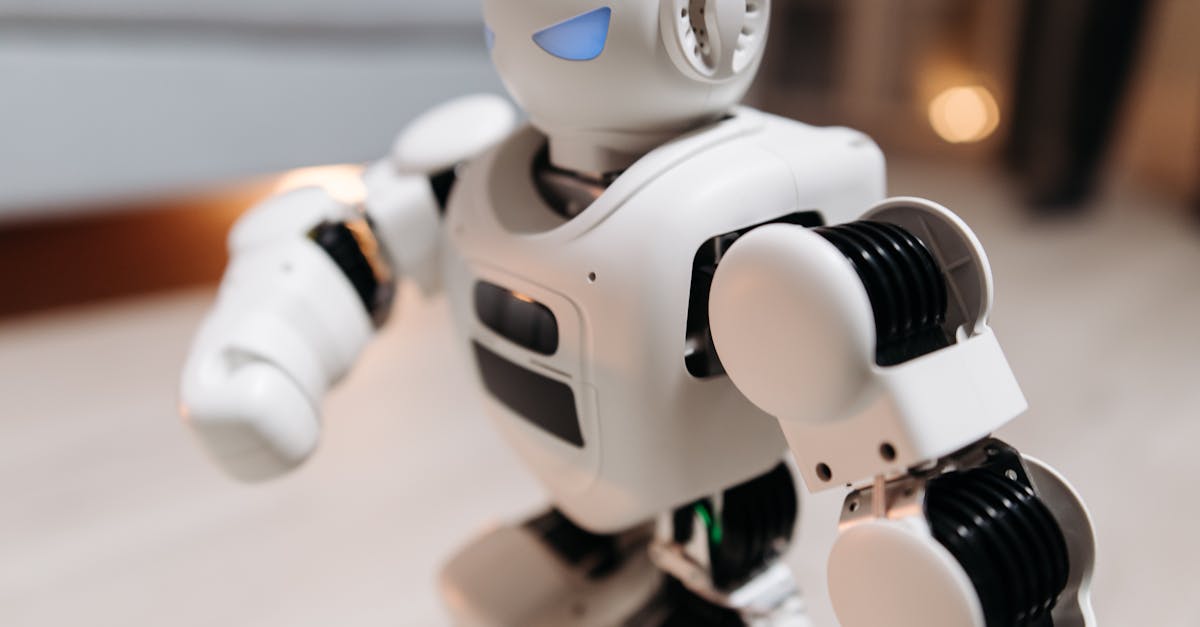
The Global Humanoid Robotics Expo 2024 concluded this week in Shenzhen, drawing over 120 exhibitors and 15,000 industry professionals focused on the commercialization of bipedal automation. Among the standout announcements were three Indian robotics startups that debuted their first commercially viable humanoid platforms, signaling a shift toward localized manufacturing and cost-effective deployment in emerging markets.
Indian Delegation Unveils Tier-2 Pricing Strategy
Delhi-based NeuraMotion Robotics and Bengaluru firm AetherBots showcased their respective humanoid units, the NM-Alpha and AB-X1, at the expo’s automation pavilion. Both companies emphasized a pricing model tailored for the Indian domestic market, with base configurations starting at ₹28 lakhs and ₹32 lakhs respectively. This positioning places Indian-developed humanoids significantly below the $150,000 to $200,000 price range typical of Western competitors, making adoption feasible for small and medium enterprises.
Supply Chain and Manufacturing Partnerships Take Center Stage
Executives from the Indian delegations highlighted a coordinated effort to localize core components, including harmonic drives, lithium-ion battery packs, and silicon-based sensor arrays. By partnering with Tier-2 Indian manufacturers in Tamil Nadu and Maharashtra, the startups reduced assembly costs by an estimated 40 percent. The expo also featured a dedicated workshop on export compliance and ISO 13849 safety certification, which will be mandatory for cross-border deployments in the automotive and textile sectors.
Focus on Logistics and Healthcare Applications
During the expo’s main stage presentations, industry analysts noted a strong consensus around near-term use cases. Indian logistics firms, including a consortium from the National Logistics Policy, expressed interest in pilot deployments for warehouse sorting and pallet handling. Meanwhile, healthcare robotics specialists demonstrated early-stage prototypes designed for patient mobility assistance and medication distribution in tier-3 hospitals. The expo’s closing panel, moderated by the Robotics Society of India, outlined a roadmap for standardized testing facilities and government-backed grants aimed at accelerating domestic humanoid production by 2026.
Next Steps for the Indian Humanoid Sector
Following the Shenzhen event, participating Indian firms will transition from prototype validation to limited-scale production. Regulatory alignment with the Bureau of Indian Standards (BIS) and the Ministry of Electronics and Information Technology’s (MeitY) robotics incentive scheme will dictate the pace of market entry. Industry observers expect the first commercial deployments to occur in Gujarat and Karnataka industrial corridors by Q3 2025, with export targets set for Southeast Asian and Middle Eastern markets.
More in Reviews & Opinion