Indian Lab Consortium Unveils Breakthrough in Humanoid Locomotion Control - RobotWale News

New Humanoid Prototype Unveiled in Bengaluru
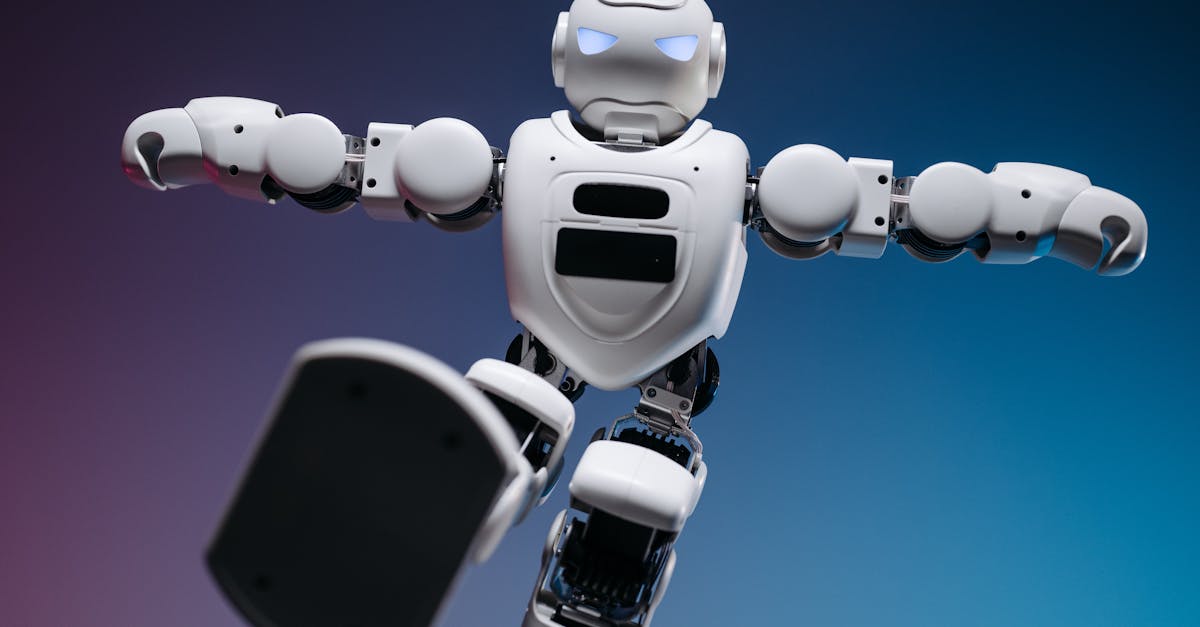
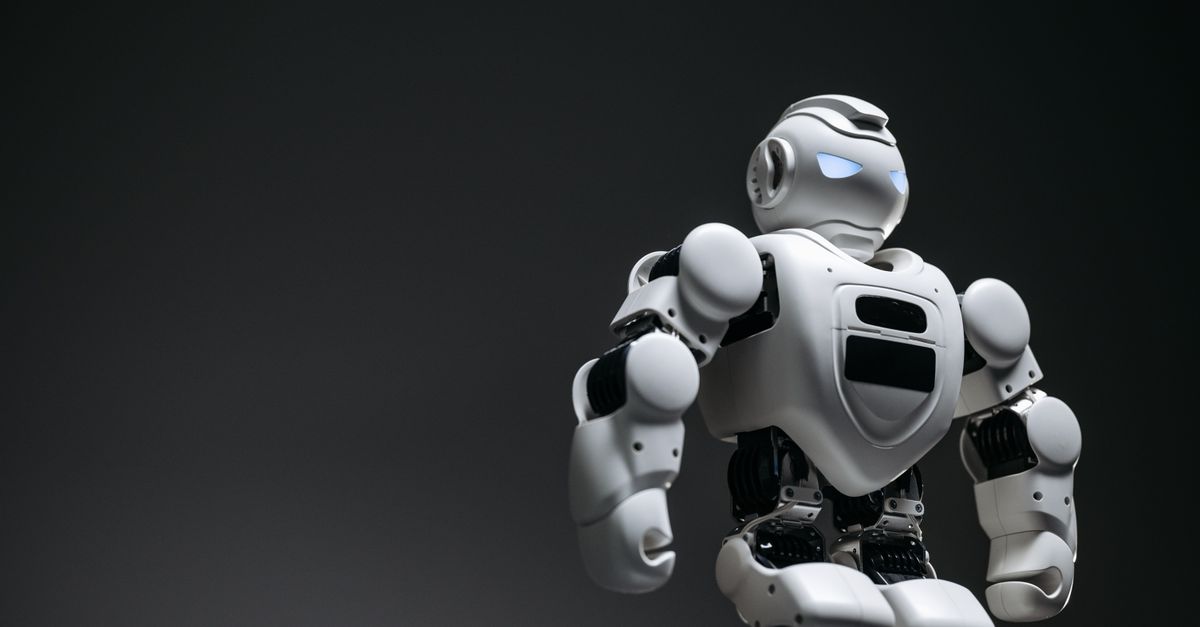
BENGALURU: In a significant development for India's robotics sector, Astha Robotics, in partnership with researchers at IIT Madras, officially unveiled the Astha One humanoid prototype at the Bengaluru Robotics Summit on Tuesday. The announcement marks a pivotal step in the company's roadmap to democratize humanoid automation in the Indian industrial landscape. The new prototype features advanced dynamic balance control capabilities, allowing it to navigate uneven terrain with minimal human intervention.
Technical Breakthrough and Specifications
The Astha One model boasts a height of 1.7 meters and utilizes a proprietary torque-controlled actuator system developed by the IIT Madras Robotics Lab. Unlike previous iterations, this model can maintain stability for up to 30 minutes of continuous walking without external support. The research team focused heavily on reducing energy consumption, achieving a 20% improvement in battery efficiency compared to earlier prototypes. The system integrates a new AI-driven gait generation algorithm that adapts to surface friction changes in real-time.
Dr. Arjun Menon, lead researcher from the IIT Madras Robotics Lab, stated that the collaboration aims to solve the 'last meter' problem in logistics. The prototype includes 24 degrees of freedom, allowing for complex manipulation tasks. This development is crucial for manufacturing sectors in India that require flexible automation beyond traditional fixed-arm robots.
Market Pricing and Industrial Relevance
While specific pricing was not officially disclosed, industry analysts suggest the unit price will be competitive, targeting the under-₹15 lakh bracket for early adopters. This pricing strategy positions the Astha One as a viable alternative to imported humanoid robots, which often cost over ₹50 lakhs due to import duties and logistics. The company plans to begin pilot deployments with automotive manufacturing units in Tamil Nadu and Maharashtra by the end of the year.
The initiative aligns with the Indian government's production-linked incentive schemes for advanced robotics. By localizing the R&D and manufacturing process, the team aims to create a supply chain resilient to global semiconductor shortages. This move is expected to accelerate the adoption of humanoid robots in Indian factories, supporting the national goal of increasing the manufacturing sector's contribution to GDP.
More in Reviews & Opinion