Indian Startup Astra Robotics Unveils Vayu-1 Humanoid for Industrial Automation - RobotWale News
Product Launch and Core Specifications
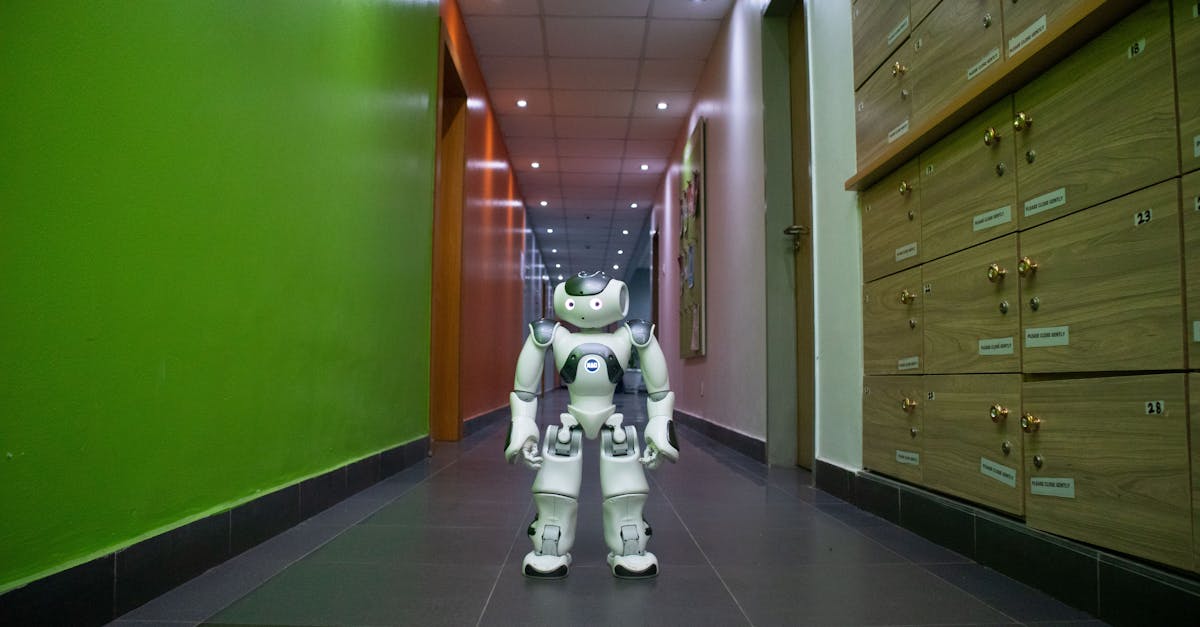
Astra Robotics officially unveiled the Vayu-1 humanoid robot on November 12, 2024, at its Bengaluru innovation center. The company positioned the Vayu-1 as a full-scale, bipedal machine designed for heavy-duty industrial environments. The robot stands 1.7 meters tall, weighs 68 kilograms, and features 28 degrees of freedom across its torso, arms, and legs. Powered by a proprietary silicon carbide motor system and a custom Linux-based real-time operating system, the Vayu-1 can carry payloads of up to 30 kilograms while maintaining dynamic balance on uneven factory floors.
The system integrates a dual-camera perception array, LiDAR mapping, and a localized AI inference module that allows it to navigate pre-mapped warehouse layouts without continuous cloud dependency. Astra Robotics engineers developed the neural control network in-house, enabling the robot to perform repetitive assembly tasks, material transport, and quality inspection routines. The launch event featured live demonstrations where the Vayu-1 successfully loaded standardized cargo containers onto automated guided vehicle platforms.
Pricing and Domestic Manufacturing Strategy
Unlike international competitors that price humanoids between $100,000 and $350,000, Astra Robotics has set the base commercial price for the Vayu-1 at ₹18 lakh (approximately $21,500). This aggressive pricing targets small and medium-sized enterprises in India’s manufacturing, logistics, and electronics assembly sectors. The company attributes the lower cost to localized supply chain partnerships across Tamil Nadu and Karnataka, where structural components, actuators, and sensor arrays are manufactured domestically. Astra Robotics also offers a leasing model starting at ₹45,000 per month, allowing factories to integrate the robot without large upfront capital expenditure.
The Indian government’s production-linked incentive scheme for advanced robotics has further subsidized initial deployment costs for select industrial clusters. Astra Robotics plans to begin serial production in Q2 2025, with an initial capacity of 500 units annually. The company has already secured advance orders from three major automotive component suppliers in Pune and Chennai.
Industry Trials and Deployment Timeline
Pilot deployments of the Vayu-1 are scheduled to commence in January 2025 across partner facilities in Maharashtra and Gujarat. Early trials will focus on palletizing operations, raw material handling, and end-of-line packaging. Astra Robotics has partnered with two Indian engineering colleges to develop a standardized training curriculum for robot supervisors, addressing the anticipated skills gap in humanoid fleet management. The company also announced a developer SDK that will open access to the robot’s motion control APIs, encouraging third-party software integration for specialized industrial workflows.
Industry analysts note that the Vayu-1 launch aligns with India’s broader push toward automated manufacturing under its National Robotics Mission. If production targets are met, the robot could significantly reduce labor costs for repetitive industrial tasks while establishing India as a competitive hub for affordable humanoid robotics development.
More in Reviews & Opinion