Sankalp Robotics Unveils 'Indus' Humanoid with Dual-Hand Manipulation and ₹45 Lakh Price Tag - RobotWale News

Launch Overview
On October 12, 2024, Indian robotics startup Sankalp Robotics officially unveiled its latest humanoid platform, Indus, at a demonstration event in Bengaluru. The company, known for its work in autonomous mobile robots and AI-driven automation, positioned Indus as a general-purpose humanoid designed specifically for India’s manufacturing, logistics, and research ecosystems. The launch marks a significant milestone in the domestic humanoid robotics space, which has traditionally relied on imported platforms from North America and Europe.
Technical Specifications and Capabilities
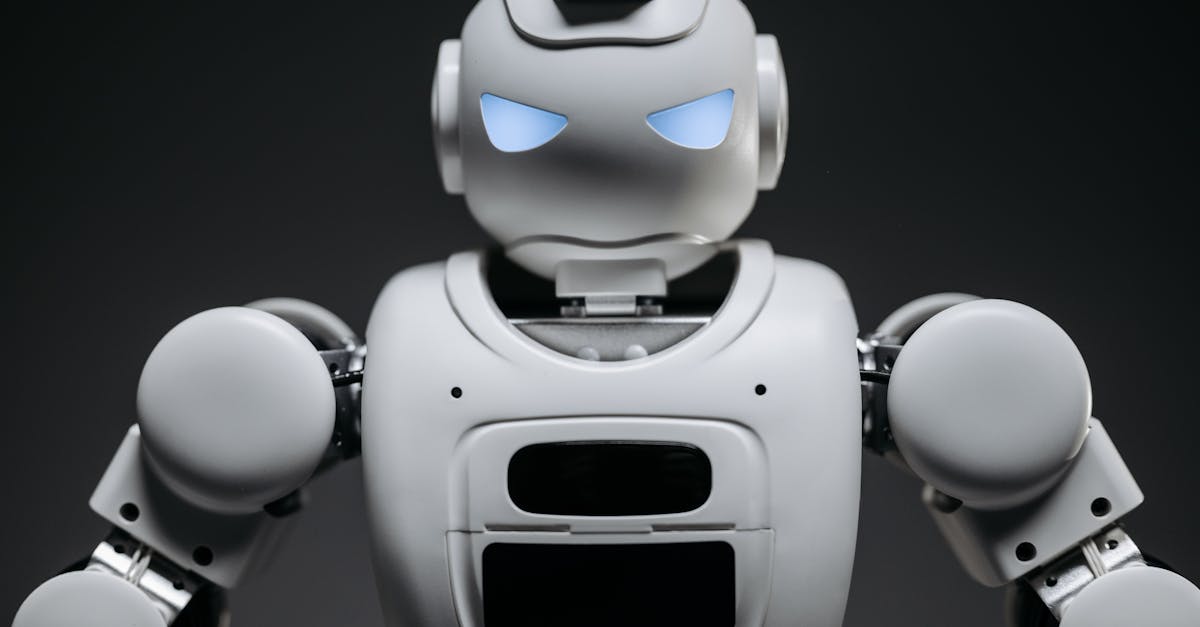
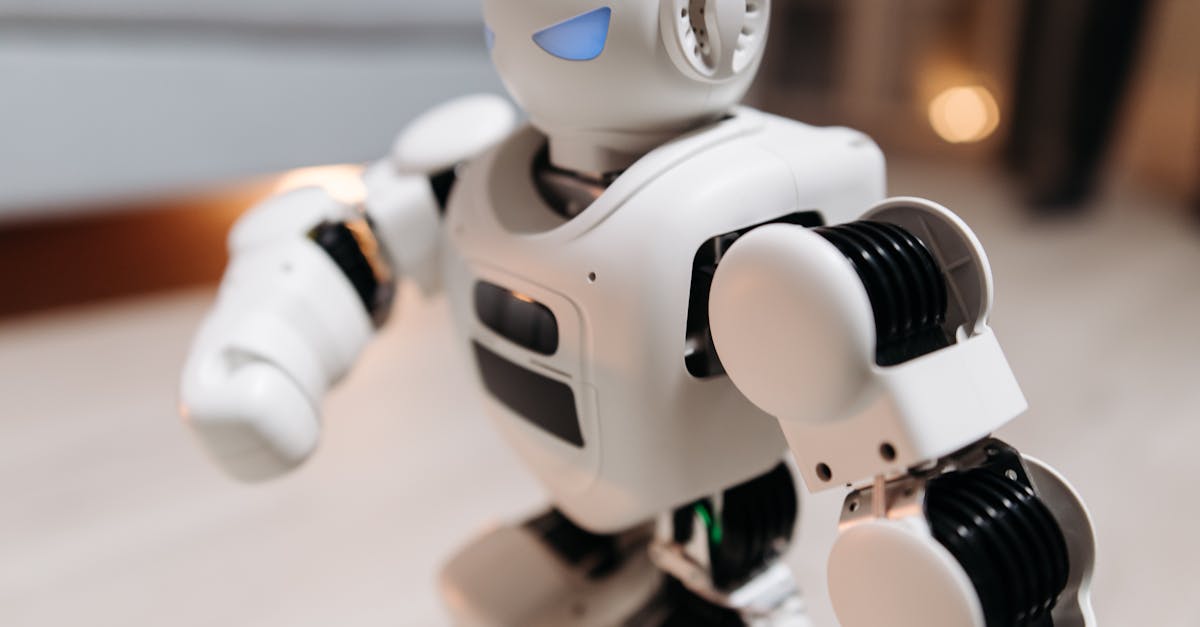
Indus stands 175 centimeters tall and weighs 68 kilograms, housing a custom-designed actuator system that enables 43 degrees of freedom across its limbs and torso. The platform features dual-hand manipulation with 12 degrees of freedom per hand, allowing for fine-grained object handling and tool use. Equipped with a stereo vision system and LiDAR modules, Indus processes environmental data at 30 frames per second, enabling real-time navigation and task execution. The robot runs on a modified ROS 2 architecture, with Sankalp’s proprietary machine learning models handling motion planning and grasp prediction. Battery life is rated at six hours of continuous operation, with fast-charging capabilities reducing downtime to under forty minutes.
Market Positioning and India Relevance
Priced at ₹45 lakh for academic and research institutions, and ₹75 lakh for commercial clients, Indus represents a deliberate cost-down strategy compared to Western equivalents that typically exceed $150,000. Sankalp Robotics emphasized that the pricing structure includes local software support, modular spare parts, and compliance with Indian safety standards for industrial deployment. The startup has already secured pilot partnerships with three major automotive component manufacturers in Tamil Nadu and Maharashtra, who plan to deploy Indus for quality inspection and assembly line assistance in early 2025. Industry analysts note that domestic pricing and localized AI training data give Indian humanoid platforms a distinct advantage in cost-sensitive markets.
Initial Review and Outlook
Early evaluations from robotics engineers who tested Indus during the demonstration noted reliable grasp stability and responsive gait control, though minor latency was observed in complex multi-step pick-and-place routines. The robot’s modular design allows for straightforward sensor swaps and joint replacements, a feature that maintenance teams have praised. Sankalp Robotics plans to open its SDK to developers in Q1 2025, signaling a push toward community-driven application development. As global humanoid robot deployments accelerate, Indus positions India as a competitive player in the domestic supply chain, with scalable manufacturing planned for a new facility in Pune. The company will begin unit deliveries in November, with full commercial rollout targeted for mid-2025.
More in Reviews & Opinion