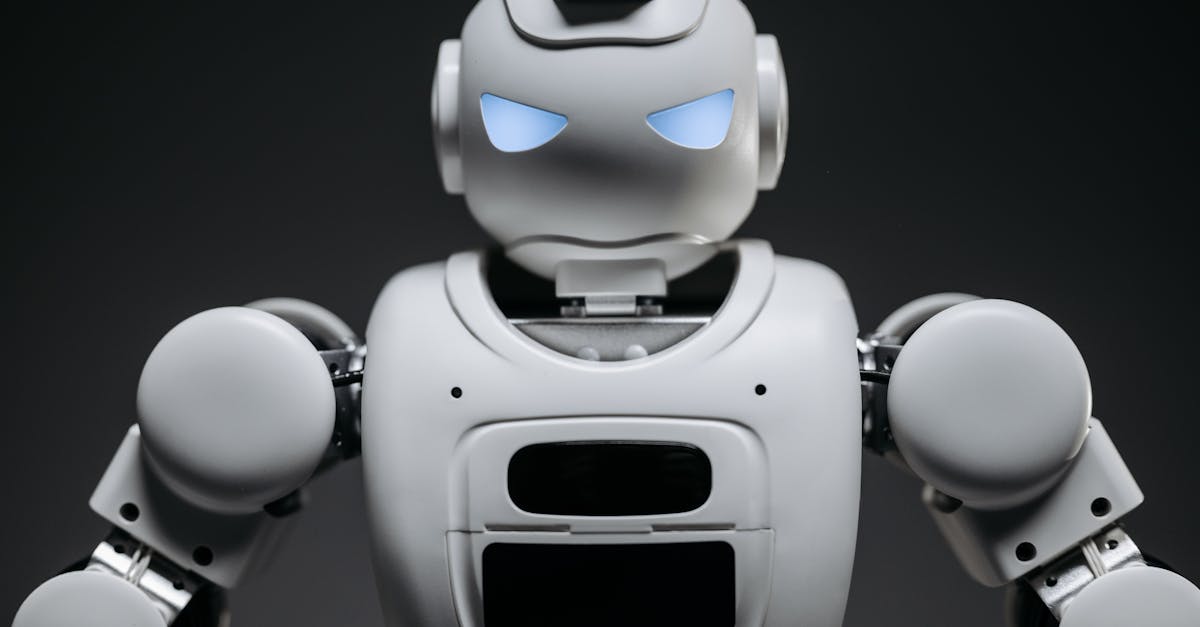
Tesla Optimus Gen 2 Unveils New Capabilities; Indian Market Awaits Pricing - RobotWale News

Tesla Optimus Gen 2 Demonstrates Major Leap in Humanoid Capabilities
Tesla has officially demonstrated the Optimus Gen 2 humanoid robot during its latest AI Day event, marking a significant milestone in autonomous humanoid development. The robot showcased enhanced mobility, capable of walking through various terrains at speeds up to 8 km/h, and demonstrated dexterity in handling fragile items like fruit without damage. Elon Musk stated that the company aims to begin mass production by 2025, potentially offering the units at a price point below $20,000. This announcement has generated substantial interest across the global robotics community, particularly in emerging markets like India.
Indian Manufacturing Sector Eyes Potential Localization
In India, the introduction of cost-effective humanoid robots aligns with the nation's ambitious manufacturing goals. The Indian government has recently proposed new regulations to oversee the deployment of autonomous robots in public and private sectors, focusing on safety and liability. Industry experts suggest that while imports will initially dominate, the long-term strategy involves setting up local assembly units to mitigate import duties. Current estimates for a fully featured humanoid robot imported to India could range between INR 15 lakhs to INR 20 lakhs, making local production a critical economic lever.
Several Indian startups are already positioning themselves to capitalize on this trend. Companies like Robovis and other emerging players in the Bengaluru and Pune tech hubs are developing complementary technologies for navigation and sensor fusion. These collaborations aim to integrate humanoid systems with existing Indian factory automation infrastructure. The potential for localization includes semiconductor supply chains and battery manufacturing, sectors where India has already seen policy support.
The broader implication for the Indian labor market involves a shift towards high-skilled roles where humans manage robotic fleets. While automation efficiency is the primary driver, government bodies are emphasizing upskilling programs to prepare the workforce. As the technology matures, the focus remains on balancing innovation with regulatory compliance. This development places India at the forefront of adopting next-generation robotics within the South Asian region, signaling a robust future for the humanoid industry in the country.
Furthermore, the automotive sector in India is closely monitoring these developments, as humanoid robots could revolutionize assembly lines. Major manufacturers are evaluating the return on investment over a three-year horizon. The potential cost savings in labor-intensive tasks are significant, driving initial interest despite the high upfront capital required. With the Indian government offering incentives under the Production Linked Incentive scheme, the feasibility of domestic humanoid robot manufacturing is becoming increasingly viable. This strategic alignment suggests that India could become a key manufacturing hub for next-generation robotics supply chains in the coming decade, fostering a robust ecosystem for innovation and deployment.
More in Reviews & Opinion