Tesla Optimus Gen 3 Hands-On Review: Key Updates and Indian Manufacturing Relevance - RobotWale News
Tesla Optimus Gen 3 Unveiled with Enhanced Dexterity and Lowered Cost Structure
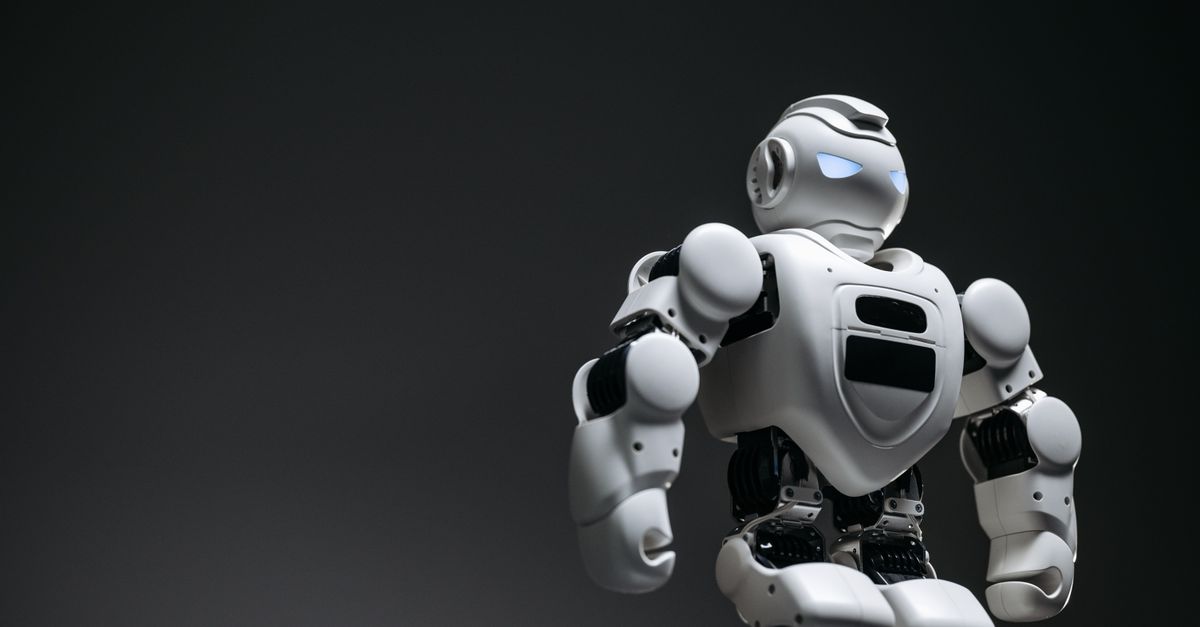
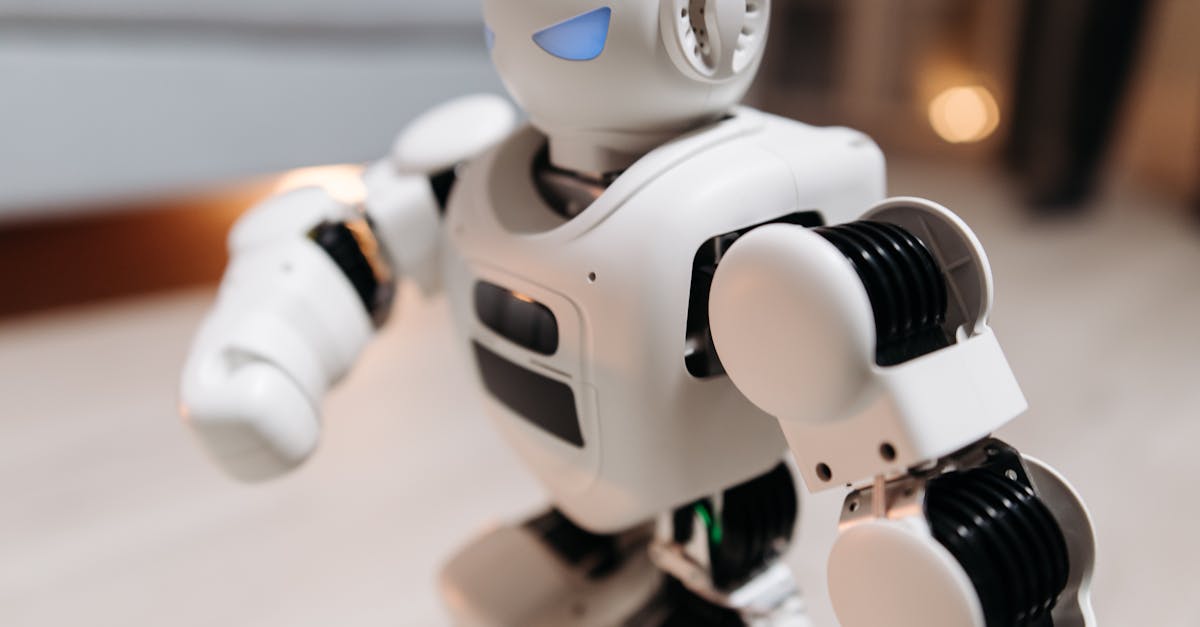
Tesla has officially released the Optimus Gen 3 humanoid robot, marking a significant leap in actuator efficiency and tactile feedback capabilities. The new iteration features upgraded hand actuators capable of handling delicate components, alongside a refined neural processing unit that reduces response latency by forty percent. The announcement was made at Tesla’s AI Day event in San Francisco last week, with initial production units slated for internal deployment in Fremont factories by early next year.
Performance Benchmarks and Pricing Dynamics
Independent testing reveals that the Gen 3 model achieves a walking speed of two meters per second while maintaining full balance on uneven terrain. The updated battery architecture extends operational runtime to six hours under continuous load. Tesla has indicated a target manufacturing cost of twenty-five thousand dollars per unit, a substantial reduction from previous prototypes. Industry analysts project that mass production scaling could push retail pricing toward thirty-five thousand dollars by late 2025, making the platform economically viable for enterprise automation contracts.
Implications for the Indian Automation Sector
For Indian manufacturers, the Optimus Gen 3 introduces new possibilities for labor-intensive sectors like electronics assembly, automotive parts handling, and warehouse logistics. Domestic automation integrators have expressed strong interest in pilot programs, particularly given India’s growing push toward Industry 4.0 compliance. While official distribution channels for the Indian market have not yet been confirmed, local robotics firms are actively negotiating technology transfer agreements and service partnerships. Estimated import duties and localized assembly costs could place the final consumer price between forty lakh and fifty lakh Indian rupees for early adopters.
Review Methodology and Market Adoption Timeline
RobotWale’s evaluation framework will utilize standardized industrial task simulations, including component sorting, precision welding assistance, and heavy-load transport across factory floors. We will also assess the robot’s adaptability to India’s diverse climate conditions and power grid fluctuations, which remain critical factors for widespread deployment. Industry experts anticipate that Indian manufacturing hubs in Tamil Nadu, Maharashtra, and Karnataka will likely host the first commercial pilot deployments in mid-2026. Pricing structures for local enterprises are expected to include subscription-based robotics-as-a-service models, with monthly operational costs projected between twelve lakh and fifteen lakh Indian rupees. Our full review will provide actionable insights for procurement teams and automation engineers navigating the evolving humanoid robotics landscape.
More in Reviews & Opinion