Tesla Unveils Optimus Gen 2; Indian Manufacturing Sector Eyes Automation Wave - RobotWale News
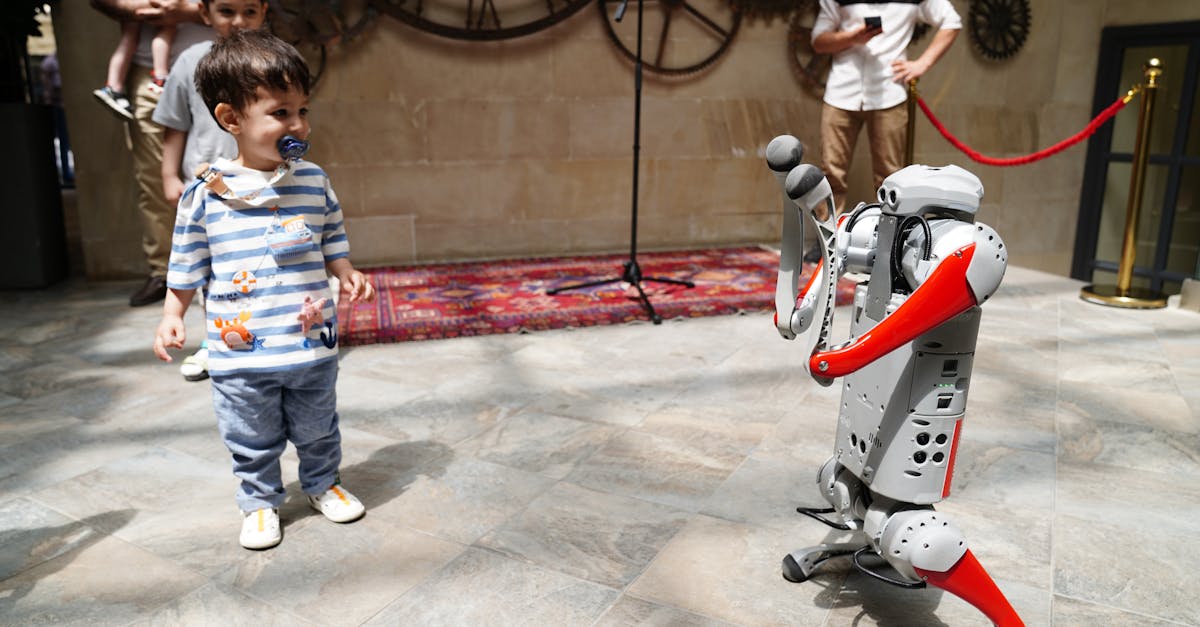
Global Breakthrough in Humanoid Robotics
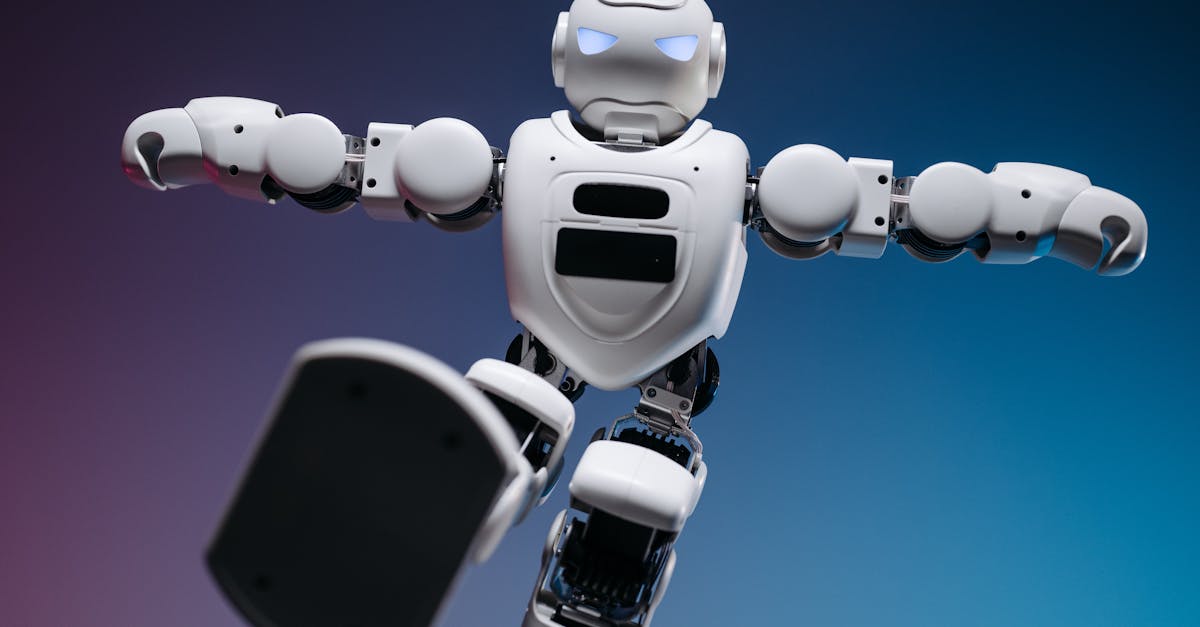
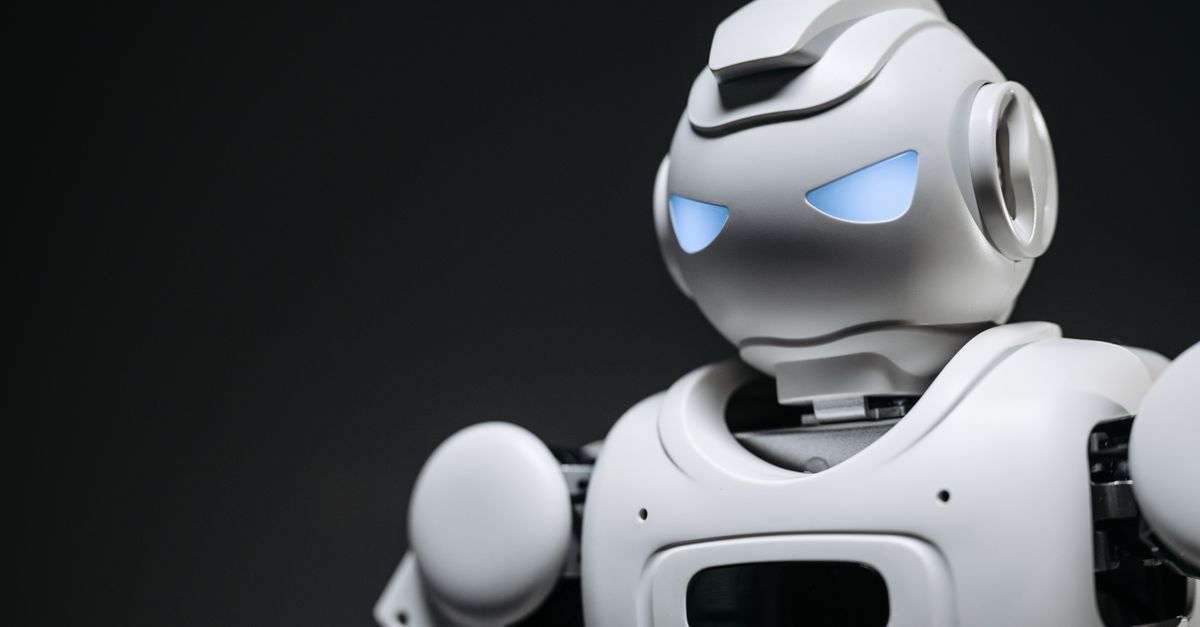
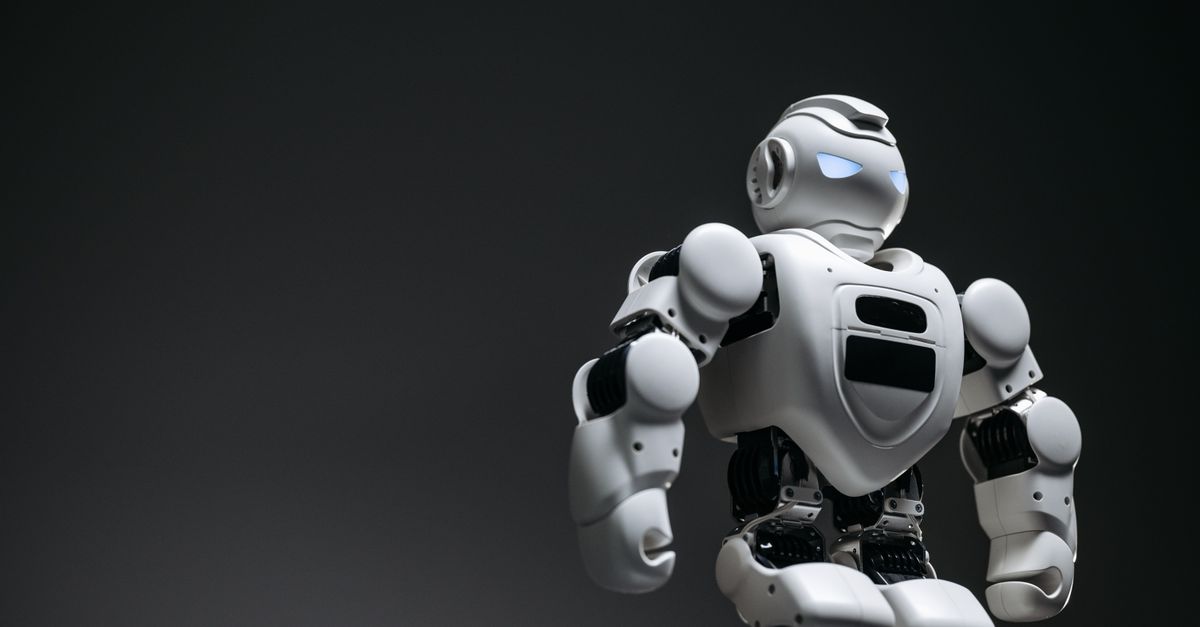
Tesla Inc. recently unveiled the second generation of its Optimus humanoid robot during a major technology showcase, marking a significant leap in the global race for general-purpose autonomous machines. The new model, designated Optimus Gen 2, features enhanced dexterity, a refined walking gait, and improved battery efficiency compared to its predecessor. Elon Musk, CEO of Tesla, stated that the updated bot can now perform complex assembly tasks with greater precision, signaling a shift from prototype to potential commercial deployment.
The demonstration highlighted the robot's ability to handle delicate objects, such as fruit, without damage, a critical milestone for warehouse and logistics applications. The machine utilizes Tesla's custom-built vision systems and neural networks to navigate dynamic environments. While the company has not confirmed mass production timelines, the technical capabilities suggest readiness for pilot programs in select markets within the next 18 to 24 months.
Implications for the Indian Market
For India, a nation aggressively pursuing its goal to become a global manufacturing hub through initiatives like 'Make in India', the arrival of humanoid robots presents both opportunities and challenges. The Indian manufacturing sector is increasingly reliant on automation to address labor shortages and rising operational costs. Industry experts at the recent India Robotics Summit suggest that humanoids could revolutionize the automotive and electronics assembly lines within the next decade.
Regarding pricing, early estimates project the base model to cost approximately $20,000 USD upon launch. Converted to Indian currency, this places the initial investment around INR 16.5 lakhs. This pricing structure remains accessible for large-scale enterprises but poses a barrier for small and medium-sized enterprises (SMEs), which constitute the backbone of the Indian industrial economy. Analysts from RobotWale.com suggest that local assembly and government subsidies will be crucial for wider adoption.
Regulatory and Economic Landscape
The Indian government is currently formulating policies to regulate AI-driven robotics, focusing on worker safety and data privacy. The Department of Electronics and Information Technology (DeitY) is reviewing frameworks to ensure that humanoid robots complement the workforce rather than displace it prematurely. Meanwhile, domestic startups are working on cost-effective alternatives to meet the price sensitivity of the local market.
As the technology matures, the collaboration between global giants and Indian manufacturing firms will likely define the next chapter of the humanoid revolution. The Optimus Gen 2 launch serves as a benchmark, challenging Indian innovators to accelerate their R&D efforts to maintain competitiveness in the emerging global robotics economy.
More in Reviews & Opinion