Unitree H2 Humanoid Robot Unveiled with Pure Vision Locomotion; Indian Labs Eye Affordability - RobotWale News

Unitree H2 Technical Breakthroughs
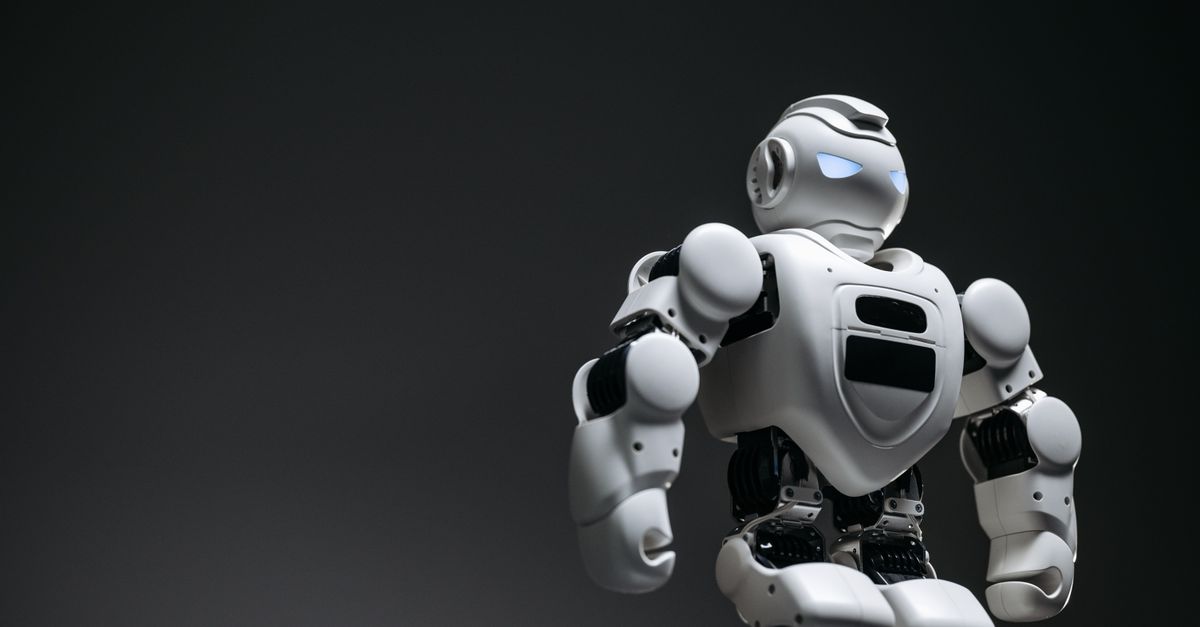
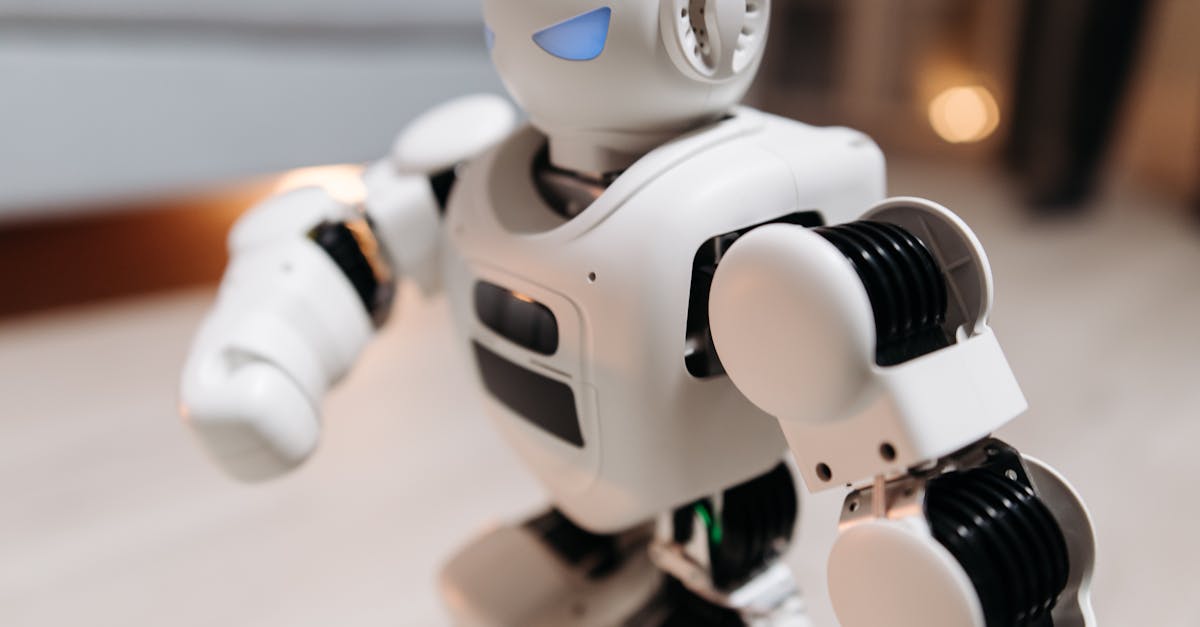
Hangzhou-based Unitree Robotics has officially unveiled the H2, marking a significant advancement in human-sized humanoid robotics. The H2 is the first robot of its class to achieve a control frequency of 27Hz, enabling rapid adjustments to balance and terrain. Standing 175cm tall and weighing 52kg, the robot can run at speeds up to 3.3 meters per second. A key differentiator is its pure vision navigation system; the H2 utilizes 3D depth cameras and onboard visual processing to map and traverse complex environments without LiDAR or GPS, which reduces weight and power consumption. The robot features 43 degrees of freedom and high-torque density actuators, allowing it to carry payloads of up to 20kg while maintaining dynamic stability. Unitree reports that the H2 is powered by a high-density battery pack providing approximately two hours of continuous operation, a notable improvement for extended lab testing cycles.
Aggressive Pricing and Market Disruption
Unitree has adopted a disruptive pricing strategy for the H2, listing the standard version at $16,800 and the advanced version with enhanced compute at $33,600. These figures are substantially lower than many Western and Japanese competitors, which often price similar platforms above $100,000. The company has opened global pre-orders and released open SDKs to developers, aiming to accelerate the ecosystem of humanoid software and simulation tools. Industry analysts suggest this pricing will lower barriers for academic and industrial research groups worldwide to access high-performance hardware for algorithm testing and prototype development.
Implications for Indian Robotics Research
The H2's launch has generated immediate interest within India's robotics ecosystem. Indian research institutions and automation firms are evaluating the robot as a cost-effective platform for developing foundation models and gait algorithms. With the H2's competitive pricing, Tier-1 labs in Bangalore and Pune can potentially scale their humanoid R&D programs without prohibitive capital costs. Indian startups are also exploring the robot for localized AI training, particularly for applications in agricultural automation and industrial inspection, where diverse environmental conditions require robust generalization. Industry observers note that the availability of affordable, high-spec humanoids could accelerate the adoption of physical AI prototypes in Indian manufacturing sectors. This development aligns with the Indian government's push for indigenous robotics capabilities, as local labs seek to benchmark domestic algorithms against global hardware standards.
More in Reviews & Opinion