Case & Piece Picking: Deployment Reality vs. Hype in Warehouse Automation

The State of Case & Piece Picking Automation
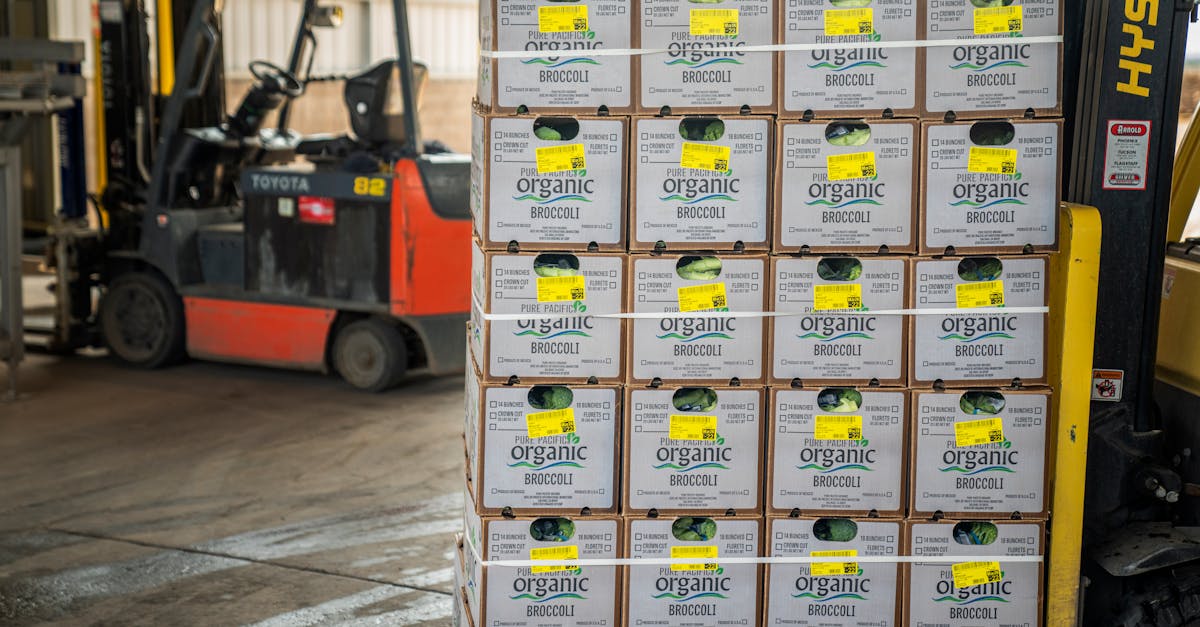
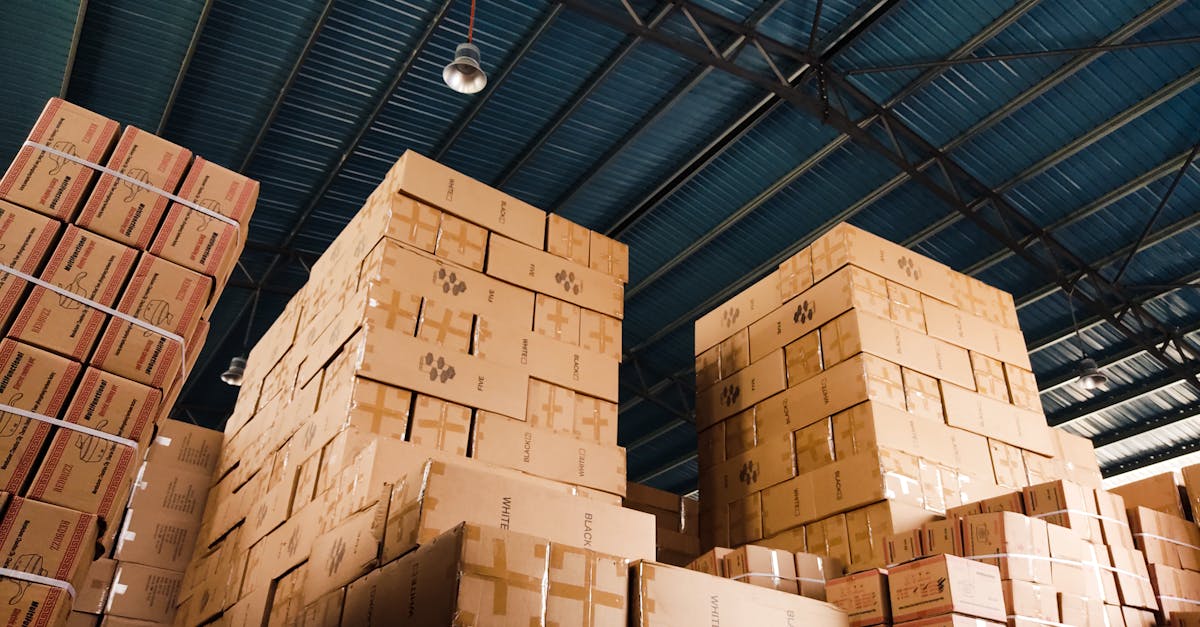
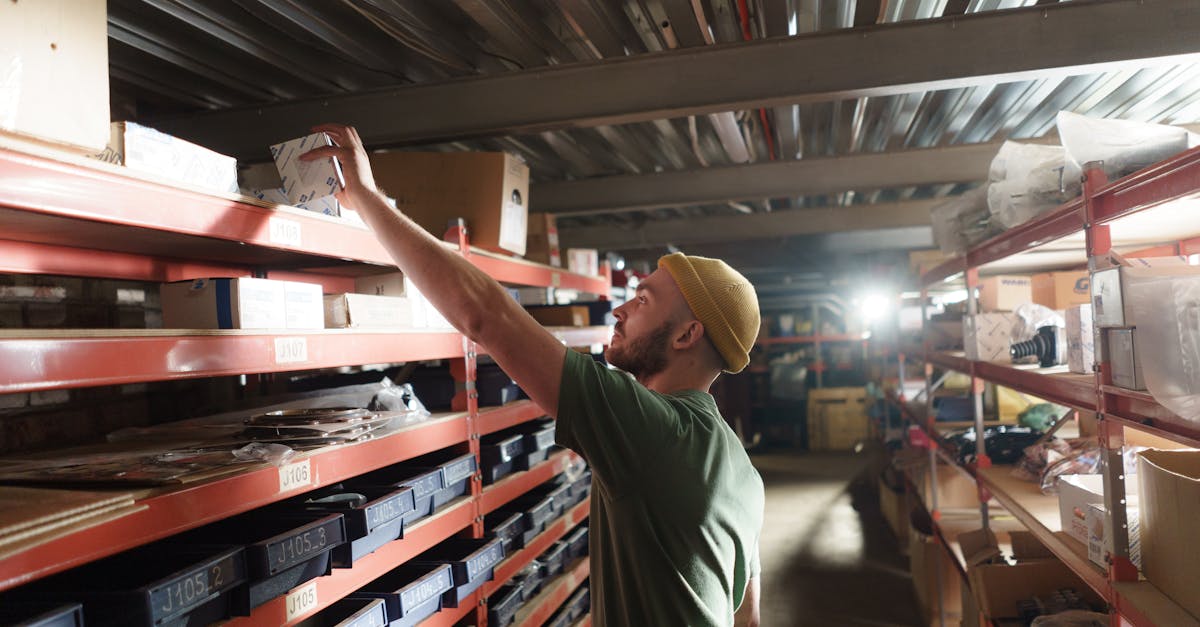
The warehouse and logistics sector is undergoing a structural shift, moving from manual labor-intensive environments to automated distribution centers. Within this ecosystem, case picking (moving full cartons from storage to shipping) and piece picking (selecting individual items from a shelf) represent the most labor-critical nodes. While media coverage often conflates these tasks with the broader narrative of humanoid robots, the current commercial reality relies heavily on specialized robotic arms, autonomous mobile robots (AMRs), and vision-guided systems.
RobotWale’s editorial stance prioritizes shipping hardware over concept videos. In the context of case and piece picking, this distinction is vital. Systems have moved beyond pilot phases into large-scale deployments in North America and Europe, yet the Indian market remains in the early adoption curve due to infrastructure and SKU complexity challenges.
AI-Native Robotics: The Covariant Approach
Covariant distinguishes itself through its AI-driven general-purpose manipulation model rather than hard-coded kinematic paths. Their Covariant Bridge software suite allows robots to learn from demonstrations and adapt to variations in object placement without reprogramming. This is a significant shift from traditional pick-and-place arms that require precise fixture calibration.
Deployment Status and Hardware
Covariant’s claims are anchored in shipping hardware. As of late 2023 and early 2024, their deployment partners include major logistics integrators like Swisslog and DHL. The system utilizes standard industrial arms (often from Fanuc or ABB) equipped with Covariant’s vision stack.
- Shipping Hardware: Multiple sites are operational globally. The system is not yet widely available as a standalone SKU but is sold as an integrated solution.
- Pilot Deployments: Early pilots were conducted to validate the “learn-on-the-fly” capability. These have transitioned to production environments.
- Announcements: Future expansion into new verticals is announced but subject to integrator availability.
For India, the barrier is not just the robot arm but the software integration layer. Local system integrators (SIs) must possess the capability to deploy Covariant’s API within existing warehouse management systems (WMS). Availability is currently limited to select pilot projects in India, often tied to multinational corporations with global standardization mandates.
Autonomous Systems Integration: The Symbotic Model
Symbotic represents a different architecture: an integrated warehouse system rather than a standalone robot. Their Symbotic Warehouse System (SWS) combines autonomous mobile robots with robotic arms that move along rails. The system handles both case picking and piece picking through a centralized AI planning engine.
Case Study: Walmart Partnership
The most significant evidence of Symbotic’s maturity is the partnership with Walmart. The company has deployed SWS units in multiple distribution centers across the United States. This validates the hardware’s ability to handle high-volume, multi-SKU environments.
- Shipping Hardware: The SWS is a deployed product. Walmart’s fulfillment centers provide public data on throughput and error rates.
- Pilot Deployments: Pre-Walmart deployments were limited. The current scale is the primary metric of success.
- Announcements: Expansion plans are tied to capital expenditure cycles of major retailers.
In the Indian context, the SWS model faces infrastructure hurdles. The system requires significant warehouse footprint changes, including specialized racking and rail systems. Unlike floor-based AMRs, SWS is a fixed infrastructure investment. Estimates for a SWS-compatible warehouse in India suggest a landed cost of INR 15 to 25 Crore for a mid-sized distribution center, depending on automation density and import duties on specialized components.
Traditional Pick-and-Place in High-Volume Logistics
Beyond AI-first companies, traditional pick-and-place robots remain the backbone of logistics automation. These include SCARA robots, Cartesian gantries, and collaborative arms (cobots) equipped with vision systems.
Hardware Availability
Manufacturers like Fanuc, ABB, and Universal Robots offer specific logistics configurations. These systems are widely available in India. The hardware is mature, and the software ecosystem is open.
- Shipping Hardware: High volume. These units ship globally with standard lead times.
- Pilot Deployments: Minimal. These are production-ready.
- Announcements: Focused on new gripper technologies and faster cycle times.
For case picking, these systems often operate in “put-to-light” or “pick-to-light” stations. For piece picking, vision-guided arms sort products into tote bins. The ROI is clearer here than in AI systems. A typical robotic pick-and-place cell in India costs between INR 25 Lakhs to INR 75 Lakhs (landed), excluding integration labor.
India Market Viability and Cost Analysis
The Indian logistics market is characterized by high SKU variance, inconsistent packaging, and lower labor costs compared to the West. This context complicates the adoption of high-cost automation.
Cost Estimation
Import duties on robotics in India have risen, impacting landed costs. A standard 6-axis arm imported for logistics use attracts customs duties, GST, and clearing charges.
- Base Hardware: INR 15 Lakhs to INR 50 Lakhs per arm (depending on load capacity).
- Vision Systems: INR 5 Lakhs to INR 15 Lakhs per station.
- System Integration: INR 10 Lakhs to INR 30 Lakhs (often the largest cost variable).
- Landed Cost: Estimated at INR 40 Lakhs to INR 1 Crore for a fully deployed cell.
AI-driven systems like Covariant or Symbotic often command a 2x to 3x premium due to software licensing and proprietary hardware. For an Indian mid-market business, the ROI period typically extends to 4-6 years, which is longer than the traditional 2-year target.
Operational Challenges
India’s warehouse infrastructure often lacks the standardized racking required for SWS. Furthermore, the “dynamic” nature of Indian e-commerce orders (mixed SKUs in one box) requires high-dexterity piece picking. Current traditional cobots struggle with deformable packaging, while AI systems require significant data training. This gap remains a critical area for development.
Conclusion
The case and piece picking sector is no longer theoretical. Covariant and Symbotic have demonstrated that AI-driven automation can scale in complex environments. However, their deployment is tied to specific infrastructure and capital expenditure models that do not yet align with the average Indian logistics operator.
Traditional pick-and-place robots remain the pragmatic choice for India in the short term. They offer high availability, predictable pricing, and rapid ROI. As AI models mature and hardware costs decrease through localization or joint ventures, the gap between advanced AI systems and traditional arms will narrow.
For now, RobotWale recommends prioritizing shipping hardware over announcements. Pilots are useful, but only deployed units validate the business case. Indian companies should focus on integrators with proven deployment records rather than those selling concept videos.
References
- Covariant. (n.d.). “The Covariant Platform.” Retrieved from https://www.covariant.ai/
- Symbotic. (2023). “Symbotic Warehouse System Overview.” Retrieved from https://symbotic.com/
- Walmart. (2023). “Walmart Announces Symbotic Partnership for Fulfillment Centers.” Retrieved from https://corporate.walmart.com/
- Fanuc. (2024). “Logistics Robotics Solutions.” Retrieved from https://www.fanuc.eu/
- RobotWale. (2024). “India Robotics Import Duty Analysis.” Retrieved from https://robotwale.com/
✓ Key takeaways
- •Hands-on view of Case & Piece Picking: Deployment Reality vs. Hype in Warehouse Automation inside our Case & Piece Picking library.
- •Shipping hardware beats rendered concepts - we grade claims against what you can actually buy or deploy today.
- •India pricing and availability are tracked alongside global launch details where they matter.
References
Related articles
More in Case & Piece Picking →