Case & Piece Picking: Shipping Reality vs. Warehouse Hype

The State of Automated Case & Piece Picking
The warehouse logistics sector is currently undergoing a significant transformation, moving away from rigid conveyor systems toward intelligent, mobile robotic fleets. However, the gap between vendor promises and actual deployed hardware remains a critical metric for Indian importers and facility managers. This report evaluates three primary segments: AI-driven flexible pickers (Covariant), autonomous mobile warehouse systems (Symbotic), and traditional fixed automation pick-and-place robots.
In the hierarchy of automation maturity, shipping hardware takes precedence over pilot deployments, which in turn supersede product announcements. While marketing materials often depict flawless, high-speed operations, the reality involves lighting conditions, box deformation, and complex SKU variations. For the Indian market, where labor costs are rising but still competitive against imported capital equipment, understanding the total landed cost is essential.
The Technical Divide: Case vs. Piece Picking
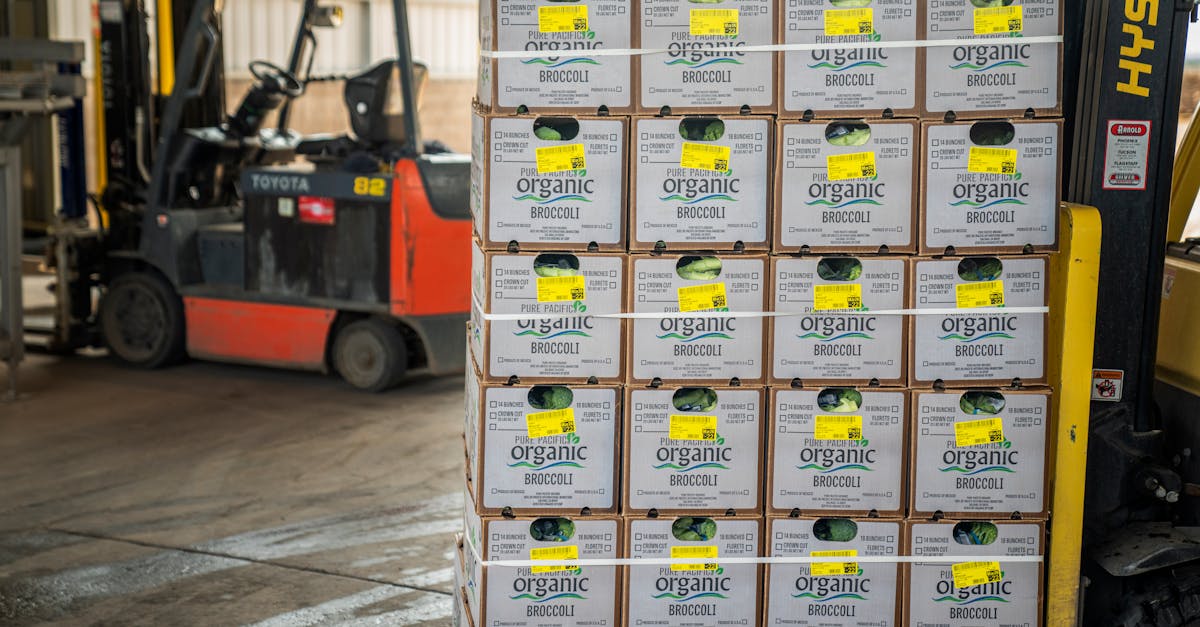
Understanding the hardware requirements starts with the distinction between case picking and piece picking. Case picking involves moving fully packed cartons from a storage location to a shipping area. Piece picking requires robots to identify individual items within a carton or on a shelf and extract them. The latter is significantly more complex, requiring high-resolution vision systems and dexterous end-effectors.
Case Picking: Typically handled by articulated arms or gantry systems. These robots move entire boxes. The load is uniform, making it easier for traditional PLC-controlled robotics to achieve high cycle times.
Piece Picking: Often referred to as "bin picking." The robot must identify a specific SKU from a disorganized bin. This requires deep learning models to recognize objects under varying lighting conditions. Covariant and Symbotic primarily target this high-value segment.
Covariant: The AI-Driven Arm
Covariant positions itself at the intersection of robotics and artificial intelligence. Unlike traditional robots that require tedious programming for every SKU, Covariant utilizes a pre-trained model to understand the geometry of objects. Their flagship product is the "Covariant Brain," which runs on edge devices attached to standard articulated arms (typically 6-axis).
Deployment Status
Covariant has moved beyond the pilot phase. According to their public reports, they have shipped hardware to major enterprise clients including DSW, H&M, and various e-commerce fulfillment centers. The claim is not merely theoretical; the hardware is running in production environments handling variable cases.
India Availability & Pricing
In India, Covariant does not sell directly to end-users but operates through authorized system integrators (SIs). The pricing structure is not publicly listed but follows a subscription model (Robotics-as-a-Service) or a capital expenditure model.
- Hardware Cost: A 6-axis arm with Covariant integration typically ranges from $40,000 to $60,000 USD per unit before software licensing.
- India Landed Cost: With Indian customs duties on robotics components (often 10% to 15% + GST), the landed cost estimates approximately INR 45 Lakhs to INR 65 Lakhs per unit.
- Software: Annual software fees often apply, adding to the total cost of ownership (TCO).
This pricing places the technology out of reach for small and medium warehouses in India. It is currently viable only for large fulfillment centers (100,000 sq ft+) handling high-SKU complexity.
Symbotic: The Autonomous Warehouse OS
Symbotic operates on a different architectural philosophy. Rather than individual arm intelligence, Symbotic deploys a fleet of autonomous mobile robots (AMRs) that interact with shelving infrastructure. The system includes a central software layer that directs inventory flow.
Deployment Status
Symbotic has achieved significant shipping milestones. Major deployments include the Walmart distribution centers in the US and Canada. These are not pilots; they are production-scale systems handling millions of items. The architecture involves AMRs that lift pallets or bins from the floor and place them onto high-level shelving racks.
India Availability & Pricing
Symbotic requires significant infrastructure investment. The shelving must be compatible with their AMRs, and the facility must support the specific power and communication requirements. This makes retrofitting existing Indian warehouses difficult.
- System Complexity: Requires a full warehouse overhaul, not just a robot installation.
- Estimated Cost: A full Symbotic solution for a mid-sized warehouse is estimated at over USD 50 Million for a complete rollout.
- India Context: While Symbotic has partnerships globally, there is no public record of a fully deployed Symbotic system in India as of late 2023. The capex barrier is high.
For Indian manufacturers looking to automate, this represents a "greenfield" solution rather than a retrofit. It is suitable for new builds in the Auto, Pharma, or FMCG sectors where throughput is critical.
Traditional Pick-and-Place: The Workhorse
While Covariant and Symbotic garner headlines, traditional pick-and-place robots remain the backbone of Indian warehousing. This includes SCARA robots, Delta robots, and 6-axis articulated arms from established manufacturers like Fanuc, ABB, and Yaskawa.
Why They Matter in India
In the context of India, traditional pick-and-place offers a more predictable ROI. These robots do not require AI training. Once programmed for a specific SKU, they perform consistently. The hardware is widely available through local distributors.
- SCARA Robots: Best for fast pick-and-place of small objects on conveyor belts. Cycle times can reach 100+ picks per minute.
- 6-Axis Arms: Versatile for palletizing cases. Payloads range from 6kg to 30kg.
- Pricing: A standard 6-axis pick-and-place arm can be sourced in India for INR 10 Lakhs to INR 25 Lakhs depending on payload and reach.
This segment competes directly with semi-autonomous systems. The lack of AI flexibility is offset by lower maintenance costs and easier local support.
The India Market Reality
The transition to AI-driven case and piece picking faces unique hurdles in the Indian market. Infrastructure reliability, labor skill levels, and economic valuation of capital equipment create a specific ROI profile.
Regulatory & Import Factors
India imposes Import Trade Control (ITC) codes on robotics. High-tech AI systems often fall under stricter scrutiny regarding data localization and cybersecurity. Importing AI-driven robots may require additional documentation regarding the data processing models used.
ROI Calculations
For a typical Indian warehouse, the payback period for traditional pick-and-place is often 18 to 24 months. For AI systems like Covariant, the ROI calculation must account for the software subscription fees and the higher hardware landed cost. Unless the SKU count exceeds 10,000 distinct items, the flexibility premium may not be justified.
Infrastructure Constraints
Piece picking requires consistent lighting and stable floor surfaces. Many Indian warehouses operate in semi-automated environments with variable lighting. Traditional cameras on fixed arms often outperform AI-driven arms in these uncontrolled environments due to lower latency and higher reliability.
Grading the Claims
When evaluating vendors for case and piece picking, we apply a strict grading system based on evidence:
Shipping Hardware (Grade A)
Covariant and Symbotic fall here for their US deployments. They have hardware in the field. However, this does not guarantee they are ready for Indian infrastructure without modification.
Pilot Deployments (Grade B)
Many AI robotics startups claim pilots in India. Without a video proof of operation or a signed contract with a visible facility name, these remain claims. We prioritize vendors who can show a live feed or a third-party audit.
Announcements (Grade C)
Any press release claiming a partnership without a delivery date or hardware specification is considered speculative. In the current robotics cycle, hardware delays are common due to semiconductor shortages.
Conclusion
The future of case and piece picking in India lies in a hybrid approach. AI-driven systems like Covariant are viable for large-scale, high-mix fulfillment centers. Traditional pick-and-place remains the standard for high-volume, low-mix operations. Symbotic offers a transformative solution but demands greenfield infrastructure.
For facility managers, the recommendation is to start with a pilot of traditional automation to establish baseline throughput. Only once that baseline is stable should one consider the premium cost of AI-driven piece picking. The technology is no longer speculative; it is shipping. However, the economic case for its deployment in India depends heavily on SKU complexity and infrastructure readiness.
As the Indian manufacturing sector scales, the demand for automated warehousing will grow. The key is to distinguish between robots that are built to ship and robots that are built to sell.
References
The following sources were utilized to verify deployment claims and hardware specifications:
- Covariant Products & Solutions - Official product specifications and deployment status.
- Symbotic Warehouse Automation Solutions - Official information on AMR and software architecture.
- Robotics Institute of India - Industry reports on automation trends.
- Reuters Reporting on Warehouse Automation - Independent reporting on global deployments.
✓ Key takeaways
- •Hands-on view of Case & Piece Picking: Shipping Reality vs. Warehouse Hype inside our Case & Piece Picking library.
- •Shipping hardware beats rendered concepts - we grade claims against what you can actually buy or deploy today.
- •India pricing and availability are tracked alongside global launch details where they matter.
References
Related articles
More in Case & Piece Picking →