Case & Piece Picking: The Reality of AI in Warehouse Logistics
The State of Case & Piece Picking
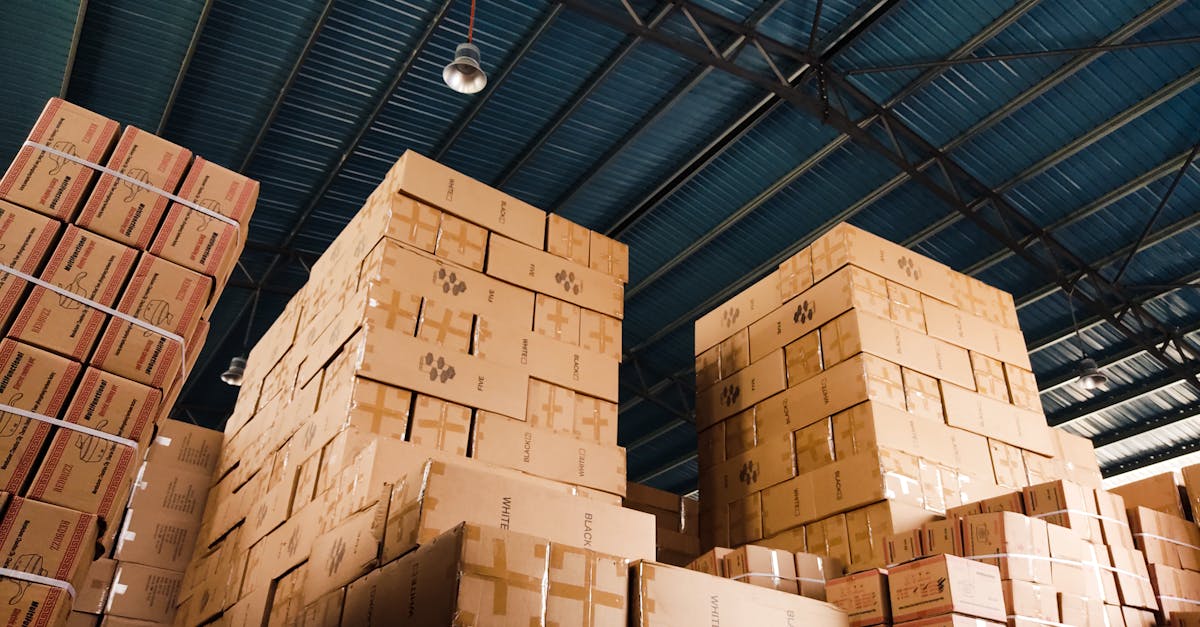
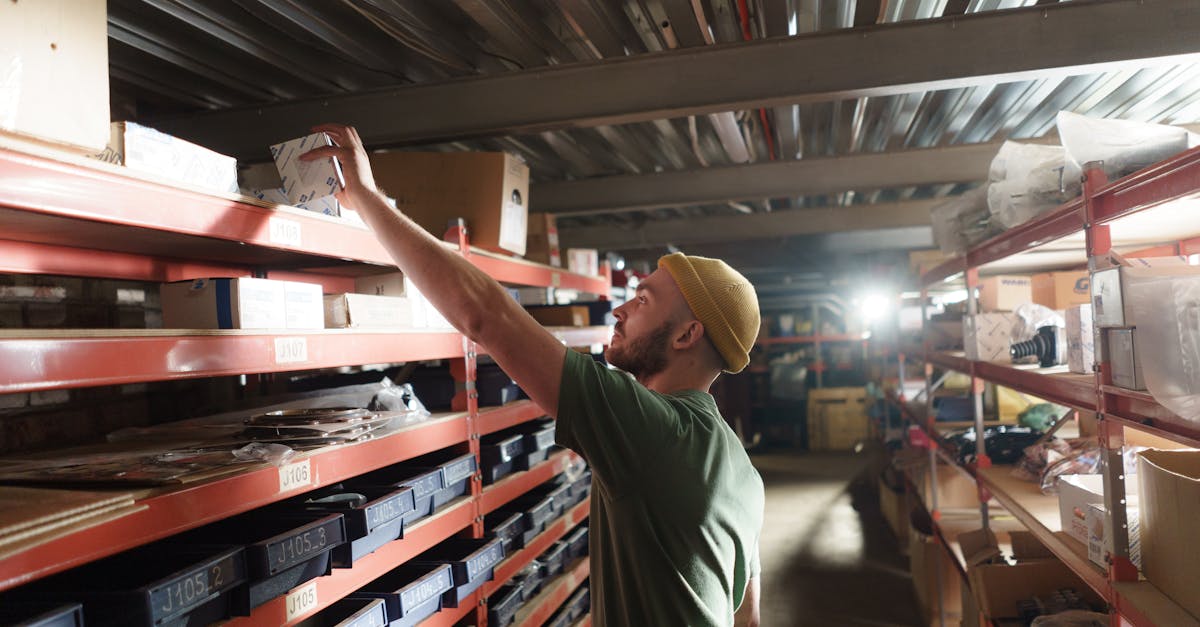
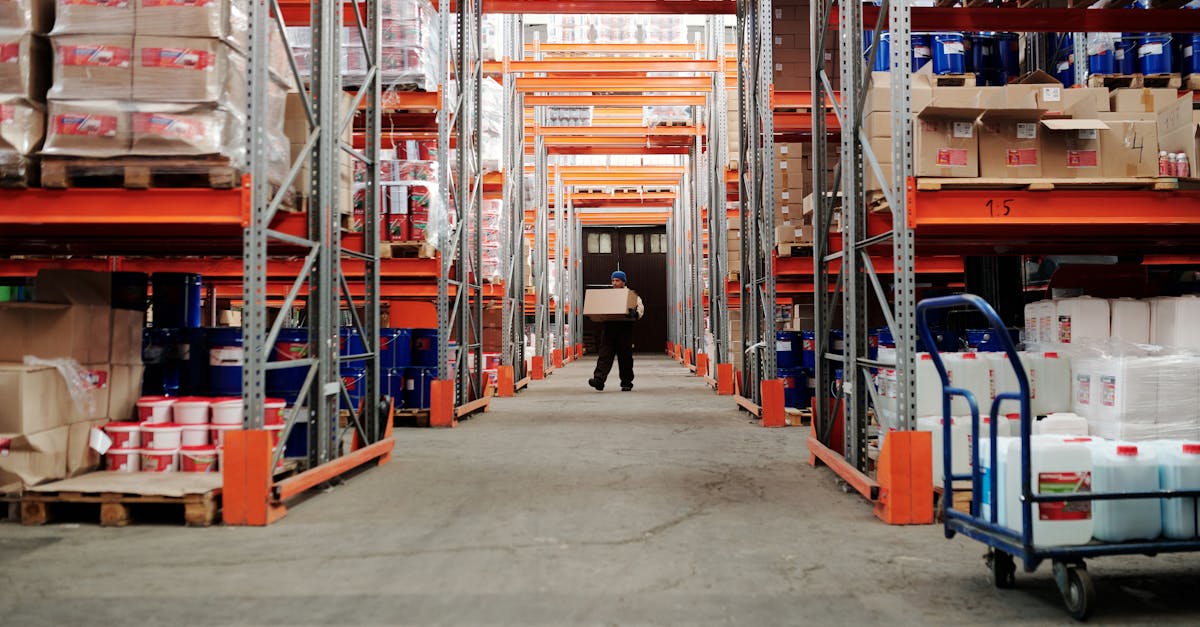
The warehouse and logistics sector is undergoing a structural shift from rigid automation to adaptive robotics. While "Case Picking" involves moving entire boxes or pallets, "Piece Picking" refers to the manipulation of individual units within those cases. This distinction matters because the technical requirements for deep learning vision and dexterous manipulation differ significantly from traditional palletizing. In 2024, the conversation moves beyond concept videos to verified hardware deployments.
For RobotWale, we grade these systems based on shipping hardware first, pilot deployments second, and announcements last. The following analysis focuses on the tangible ecosystem of case and piece picking, specifically looking at the AI-driven leaders and traditional manipulators.
Symbotic: The Fleet-Based Approach
Symbotic has established itself as one of the few companies to ship a fully automated case and piece picking system at scale. Unlike traditional automated guided vehicles (AGVs) that move to a fixed location, Symbotic utilizes a fleet of robots that communicate with a central control system to manage inventory dynamics.
According to their official press releases and client disclosures, Symbotic has deployed systems at major retail and distribution centers. A primary example of their shipping hardware is the deployment at a major North American grocery distribution center. The system consists of a fleet of autonomous mobile robots that pick items from bins and place them into totes for fulfillment.
Key Technical Claims:
- Throughput: Claims of high throughput rates per robot are made, though independent verification of the "per robot" metric varies.
- Software: The system runs on a proprietary cloud-based OS, allowing for dynamic reconfiguration of the warehouse layout.
- Hardware: The mobile bases are designed to work with custom grippers for both case and piece levels.
While the technology is robust, the cost of entry is high. Symbotic does not sell a standalone unit; they sell an integrated system. For a warehouse to adopt this, the facility must be built or retrofitted to support their specific infrastructure requirements.
Covariant: General-Purpose AI for Robotic Arms
Covariant represents a different segment of the market. Rather than building the entire warehouse ecosystem, they focus on the intelligence layer for robotic arms. Their core value proposition is a general-purpose AI model that allows robots to pick objects without extensive programming.
As of late 2023 and early 2024, Covariant has moved beyond pilots to commercial deployments. They have integrated their software with hardware partners, including major robotic manufacturers. The focus is on reducing the time from deployment to operation.
Verification of Claims:
- Hardware Partners: Partnerships with manufacturers like KUKA and Fanuc provide the arms. Covariant provides the vision and planning software.
- Demonstration vs. Shipping: While demos show high success rates in controlled environments, real-world deployment faces challenges with lighting variations and complex SKU geometries.
- Adoption: Commercial units are shipping, but the volume is significantly lower than traditional automation vendors.
For the Indian market, the value proposition relies on the ability to handle a high mix of SKUs. Traditional automation struggles with this. Covariant's AI allows for rapid retraining, which is attractive for e-commerce fulfillment centers that change product lines frequently.
Traditional Pick-and-Place Systems
Beyond the AI-driven startups, traditional pick-and-place robots remain the backbone of many logistics operations. These include SCARA robots and 6-axis articulated arms equipped with pneumatic or electric grippers.
Manufacturers like Fanuc, ABB, and Yaskawa offer "Pick and Place" packages. These are often sold as complete work cells.
Comparison with AI Systems:
- Reliability: Traditional robots have higher reliability in fixed tasks. If the bin is in the same spot every time, a traditional robot will outperform an AI robot in cycle time.
- Flexibility: AI systems (Covariant, Symbotic) win on flexibility. Traditional robots require reprogramming for every SKU change.
- Cost: Traditional systems are cheaper upfront but more expensive to maintain when the product mix changes.
In the context of case picking, traditional robots often work in tandem with automated palletizers. However, for piece picking, the accuracy of the gripper is paramount. A standard 6-axis arm with a soft gripper is often preferred for fragile items, whereas rigid grippers are used for boxes.
India Market Availability and Cost
For Indian logistics providers, the question is not just technical feasibility but economic viability. The import and integration costs for these systems are substantial.
Symbotic Availability: Symbotic is currently focused on North American and European deployments. While they have global ambitions, there is no official announcement of a dedicated India distribution center or local manufacturing partner as of mid-2024. Availability would likely be via direct import.
Covariant Availability: Covariant is software-heavy. Their hardware partners (Fanuc, KUKA) are active in India. However, the specific AI license integration requires a specialized vendor partner.
Estimate of Landed Cost:
While exact pricing is often proprietary, we can estimate based on component costs and typical industry margins.
- Traditional Pick-and-Place Cell: A complete cell (Robot + Controller + Gripper + Safety) typically costs between $50,000 and $150,000 USD. Landed in India with 25% customs duty and GST, this translates to approximately INR 50 lakh to INR 1.5 crore.
- AI-Enabled Fleet (Symbotic): This is a system-level purchase. Estimates for a full fleet deployment often exceed $5 million USD. For a pilot, the entry barrier remains high, likely requiring significant CAPEX.
- AI Software License (Covariant): If sold as a service, the cost is subscription-based. However, the hardware integration still requires the traditional robot cost.
Infrastructure Requirements: In India, warehouse infrastructure varies widely. Many facilities lack the high-speed connectivity required for cloud-based AI robotics. Local processing (Edge AI) is necessary, which adds hardware costs.
Conclusion
The market for case and piece picking is maturing. Symbotic and Covariant have proven that shipping hardware is possible, but the scale of deployment remains the limiting factor. For the Indian logistics sector, traditional pick-and-place robots remain the safer bet for high-volume, low-variety tasks. AI-driven systems are best suited for high-mix, e-commerce fulfillment centers that can justify the CAPEX and infrastructure overhaul.
RobotWale recommends a phased approach. Pilot with a single line or cell before committing to a fleet-wide rollout. Verify the ROI based on labor savings in India, where labor costs are lower than in the US or Europe, extending the payback period for high-cost automation.
References
- Symbotic Official Website - Case and Piece Picking System Overview.
- Covariant Official Website - AI for Robotics Platform.
- FANUC Corporation - Pick and Place Robot Solutions.
- Robotics.org - Industry Reports on Warehouse Automation.
- Dematic - Dematic Acquisition of Symbotic (Press Release).
✓ Key takeaways
- •Hands-on view of Case & Piece Picking: The Reality of AI in Warehouse Logistics inside our Case & Piece Picking library.
- •Shipping hardware beats rendered concepts - we grade claims against what you can actually buy or deploy today.
- •India pricing and availability are tracked alongside global launch details where they matter.
References
Related articles
More in Case & Piece Picking →