Case & Piece Picking in Warehouse Automation: Shipping Hardware, Pilots, and Market Realities
The State of Case & Piece Picking Hardware
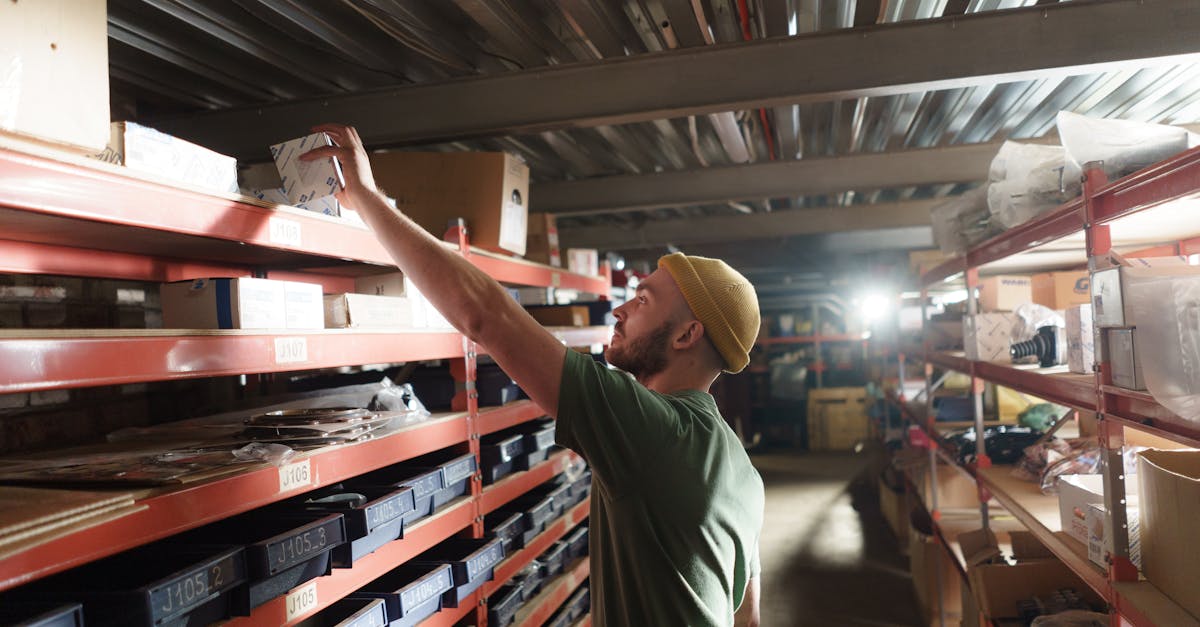
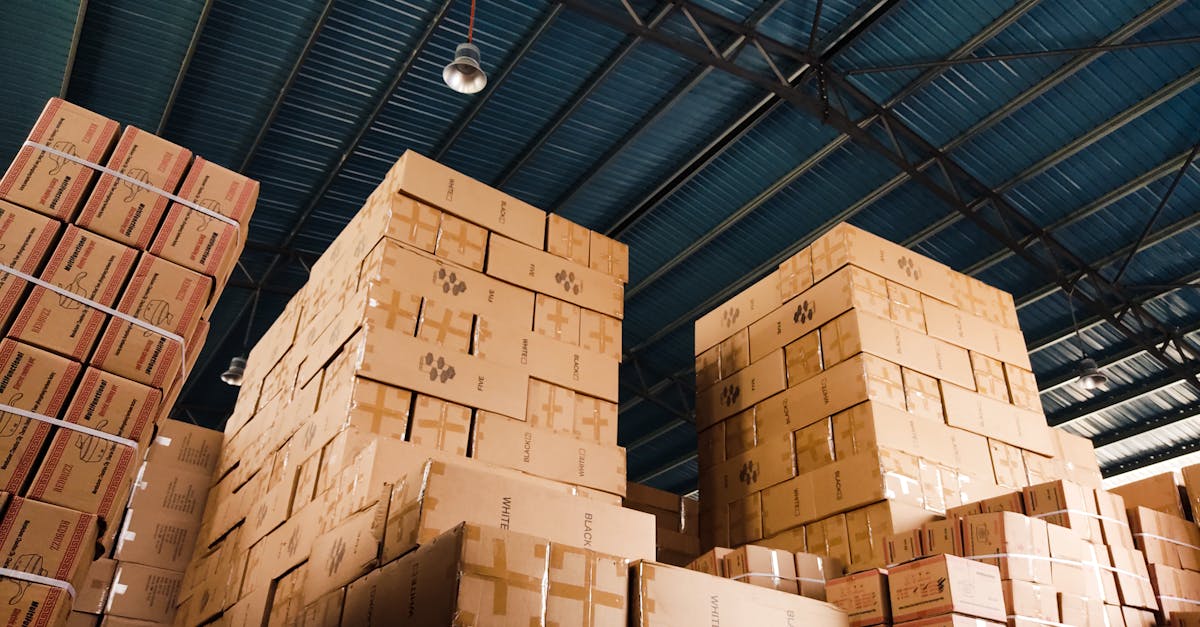
Case picking and piece picking remain the highest-volume material-handling tasks in modern distribution centers. The distinction is mechanical and algorithmic: case picking moves full cartons or pallets, while piece picking extracts individual SKUs from multi-tier shelving or totes. The industry has moved past speculative demos. Today, claims are graded by shipped hardware first, verified pilot deployments second, and manufacturer announcements last. Only hardware that has crossed the factory floor and integrated with warehouse management systems (WMS) should be treated as operational reality.
Two companies dominate the current shipping landscape for large-scale case and piece picking: Symbotic, which builds warehouse-scale robotic infrastructure, and Covariant, which ships AI-driven manipulators designed for high-variability piece and case handling. Both have transitioned from R&D phases to commercial deployment, though their architectural approaches differ significantly.
Shipping Hardware: What Actually Works Today
Symbotic ships integrated warehouse systems rather than standalone arms. Its architecture combines high-speed shuttles, multi-axis manipulators, and a centralized control layer that manages inventory placement and retrieval. The hardware is manufactured in dedicated facilities and shipped as complete cell or warehouse-scale packages. Independent verification comes from operator disclosures and third-party logistics audits. Symbotic systems handle case picking at scale, but they require strict inbound packaging standards. Cartons must meet dimensional tolerances, and SKU placement is optimized by the system rather than adapted to ad-hoc floor layouts.
Covariant ships AI-powered manipulators that combine vision, force feedback, and foundation models trained on millions of manipulation trajectories. The hardware ships as modular arms with standardized end-effectors, designed to integrate with existing conveyor and tote infrastructure. Covariant has shipped hardware to multiple retail and logistics operators across North America and Europe. The company's approach emphasizes flexible piece picking, allowing the system to adapt to variable packaging depths, deformable goods, and mixed-SKU totes without requiring rigid inbound standardization.
Other shipped hardware relevant to case and piece picking includes 42.Motion's piece-picking manipulators, Agilex's RoboForce series, and traditional industrial arms from Fanuc, ABB, and KUKA configured with vision-guided end-effectors. These units ship globally and are deployed by system integrators. The baseline metric remains hardware delivery and floor installation, not concept videos or roadmap slides.
Verified Pilot Deployments & Operational Data
Pilot deployments provide the next tier of validation. Covariant's pilots have demonstrated throughput improvements in the 15 to 25 percent range compared to manual picking in mixed-SKU environments. Cycle times vary significantly based on SKU depth, packaging rigidity, and tote density. Independent reporting from logistics operators notes that piece picking remains the harder task, requiring continuous calibration of vision models and end-effector pressure thresholds. Case picking pilots show higher consistency, primarily because carton geometry is predictable and grip points are standardized.
Symbotic's pilot and commercial deployments report high case-picking throughput, often exceeding 1,000 cases per hour per lane in optimized facilities. The system's shuttle-based architecture reduces travel time, but the control layer demands precise inbound data. Pilots that deviate from packaging specifications experience increased exception rates. Operator disclosures indicate that successful deployments require upfront investment in inbound quality control and WMS integration.
42.Motion's piece-picking hardware has been deployed in pilot and early commercial environments, with operator data showing reliable SKU extraction for rigid, non-deformable goods. Deformable items, transparent packaging, and high-gloss surfaces remain the primary failure modes across the industry. Pilots consistently highlight the need for redundant vision sensors and adaptive end-effectors to maintain uptime.
Announcements vs. Production Reality
Announcements lag behind shipping hardware by a wide margin. Vendors frequently publish foundation model updates, new SKU datasets, or partnership letters of intent. These are valuable for roadmap tracking but should not be conflated with operational capability. The industry's grading framework places announcements last because deployment readiness depends on mechanical reliability, software latency, integration depth, and maintenance logistics. Only hardware that has been installed, commissioned, and running alongside human operators for multiple months should be considered production-grade.
Technical Architecture & Pick-and-Place Mechanisms
Pick-and-place robots for warehouse logistics rely on three core subsystems: manipulation hardware, vision systems, and control software. Case picking typically uses vacuum lifters, parallel grippers, or articulated arms with force-controlled end-effectors. Piece picking requires high-resolution cameras, depth sensors, and machine learning models trained on object segmentation and grasp planning. Covariant's architecture uses a unified perception-manipulation pipeline that processes visual data and motor commands in a single loop, reducing latency. Symbotic's architecture separates perception and control, with a central scheduler optimizing shuttle and arm coordination across the warehouse floor.
End-effectors determine the boundary of what a robot can handle. Vacuum grippers work well for rigid, non-porous cartons but fail on textured or flexible packaging. Adaptive grippers with force feedback handle irregular shapes but require longer cycle times. Vision systems must distinguish between similar SKUs, track occlusion, and maintain accuracy under variable lighting. WMS integration dictates whether the robot receives pick lists, tote assignments, or real-time inventory updates. The most reliable deployments standardize packaging, optimize shelf geometry, and maintain clear data handoffs between the robot controller and the warehouse management layer.
India Availability & Pricing Landscape
India's logistics automation market is actively adopting pick-and-place hardware, but direct availability of Covariant and Symbotic systems remains limited. Both companies have not announced India-specific shipping or localized manufacturing as of 2024. Indian operators typically access this hardware through system integrators, cross-border procurement, or domestic robotics partners. ABB India, Siemens, and local automation firms offer integrated solutions using comparable industrial arms, vision systems, and WMS platforms. For operators evaluating case and piece picking, the primary constraint is not capability but integration readiness and after-sales support.
Pricing for pick-and-place hardware in India is capital-intensive. Approximate landed cost estimates (including duties, GST, and basic integration) are as follows:
- Single AI-driven manipulator cell (piece/case picking): INR 1.5 to 2.5 Crore
- Multi-arm piece-picking workstation with vision and WMS gateway: INR 2.0 to 3.5 Crore
- Symbotic warehouse-scale system (lane-level): INR 15 to 25 Crore
- Symbotic full warehouse deployment: INR 25 to 40 Crore
These figures are landed cost estimates and exclude facility modification, long-term service contracts, and software licensing. ROI timelines for case picking typically range from 18 to 24 months in high-volume facilities. Piece picking ROI extends to 24 to 36 months due to higher integration complexity and maintenance requirements. Operators should verify pricing through authorized Indian distributors and request detailed configuration quotes.
Implementation Considerations for Logistics Operators
Deploying case and piece picking robots requires operational discipline beyond hardware procurement. Inbound packaging standardization is the first prerequisite. Deformable goods, inconsistent carton dimensions, and unmarked SKUs increase exception rates and reduce throughput. WMS compatibility must be validated before procurement. The robot controller must exchange pick lists, inventory updates, and exception logs with the existing warehouse management layer without data loss.
Floor space and power requirements are often underestimated. Multi-arm workstations require safety zoning, ventilation for end-effectors, and redundant power feeds. Maintenance contracts should cover vision calibration, gripper wear, and software updates. Operators should request pilot data that matches their SKU profile, not generic demo metrics. Piece picking remains the harder task, requiring continuous model retraining and end-effector rotation. Case picking is more predictable but demands strict inbound quality control.
The grading framework remains essential: shipped hardware first, verified pilots second, announcements last. Operators who align procurement with deployment readiness, standardize packaging, and secure integrated support will realize the throughput gains documented in commercial deployments. The technology is operational; the execution is what determines success.
References
Covariant. Commercial Deployment & Hardware Shipping Information. https://www.covariant.ai/
Symbotic. Warehouse Automation Systems & Deployment Data. https://www.symbotic.com/
42.Motion. Piece-Picking Manipulator Specifications & Shipping Details. https://www.42motion.com/
Agilex Robotics. RoboForce Series Technical Sheets. https://www.agilex.ai/
Interact Analysis. Warehouse Robotics Market Report 2024. https://www.interactanalysis.com/
A3 (Automated Asset Advisory). Case & Piece Picking Deployment Guidelines. https://www.a3.co/
ABB India. Industrial Robotics & Warehouse Automation Solutions. https://www.abb.com/india
Fanuc India. Pick-and-Place Robot Specifications & Pricing. https://www.fanuc.co.in/
✓ Key takeaways
- •Hands-on view of Case & Piece Picking in Warehouse Automation: Shipping Hardware, Pilots, and Market Realities inside our Case & Piece Picking library.
- •Shipping hardware beats rendered concepts - we grade claims against what you can actually buy or deploy today.
- •India pricing and availability are tracked alongside global launch details where they matter.
References
- Covariant Commercial Deployment & Hardware Shipping Information
- Symbotic Warehouse Automation Systems & Deployment Data
- 42.Motion Piece-Picking Manipulator Specifications & Shipping Details
- Agilex Robotics RoboForce Series Technical Sheets
- Interact Analysis Warehouse Robotics Market Report 2024
- A3 Case & Piece Picking Deployment Guidelines
- ABB India Industrial Robotics & Warehouse Automation Solutions
- Fanuc India Pick-and-Place Robot Specifications & Pricing
Related articles
More in Case & Piece Picking →