
Case & Piece Picking: Shipping Hardware, Vision Systems, and Deployment Realities
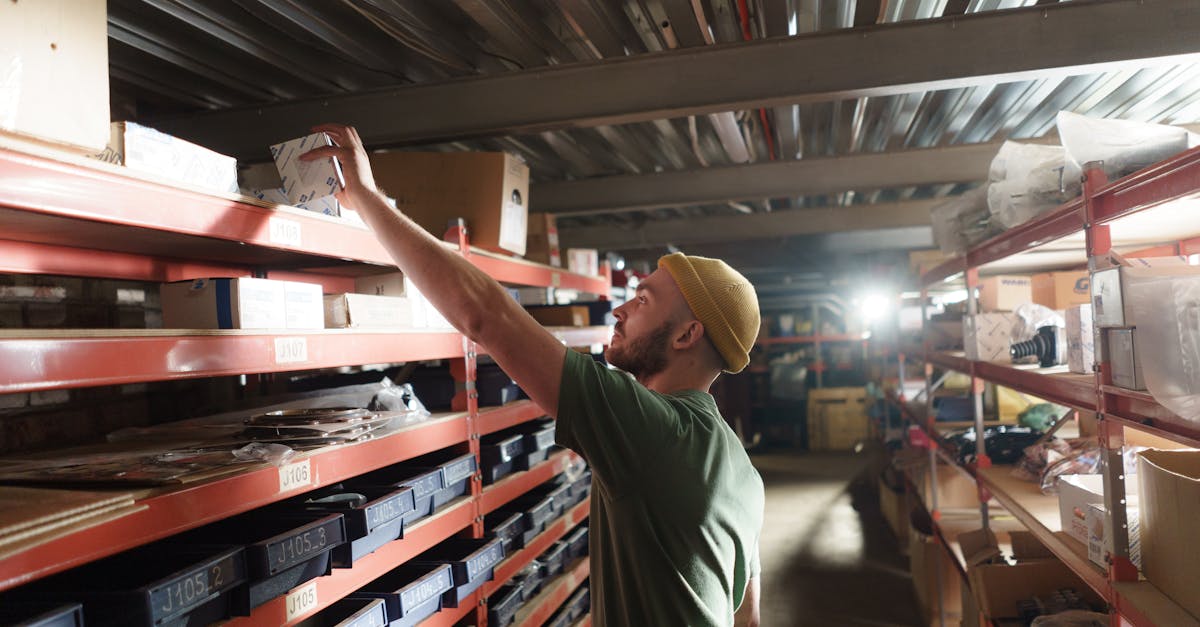
Case & Piece Picking in Warehouse Logistics
Case and piece picking form the operational core of modern fulfillment centers, distribution hubs, and manufacturing logistics. Case picking moves full cartons or totes between stations, while piece picking isolates individual SKUs from bulk inventory or forward pick locations. The distinction matters because it dictates payload requirements, end-effector design, vision resolution, and integration complexity. Robotics vendors frequently conflate the two in marketing materials. This analysis grades claims by shipped hardware first, pilot deployments second, and public announcements last.
Defining the Workload: Case vs. Piece-Level Operations
Case picking typically requires higher payload capacity (15 to 50 kg), rigid or vacuum end-effectors, and less frequent SKU orientation changes. Piece picking demands finer force control, adaptive grippers, and higher-resolution depth sensing to handle variable box sizes, flexible packaging, and occluded items. Both workloads share common constraints: bin density, surface reflectivity, lighting variance, and throughput targets measured in picks per hour per robot.
Core Technology Stack
Commercial pick-and-place cells rely on a predictable stack of components:
- Vision Systems: 2D cameras for barcode/label detection, stereoscopic or time-of-flight (ToF) cameras for depth mapping, and structured light for fine surface geometry. Integration typically uses ROS 2, EtherCAT, or proprietary SDKs.
- End Effectors: Parallel jaw grippers, pneumatic vacuum cups, soft silicone grippers, and compliant force-torque sensors. Selection depends on SKU fragility, surface texture, and cycle time.
- Manipulators: Articulated 6-axis arms (payload 5–20 kg for piece picking, 20–50 kg for case handling), collaborative arms for flexible cell layouts, and gantry or delta systems for high-speed sorting.
- Control Architecture: Simulation-to-real pipelines, kinematic calibration routines, and real-time motion planners that compensate for part slip, bin deformation, and conveyor jitter.
Spec sheets and factory videos consistently show these components operating reliably under controlled lighting and fixed fixture geometries. Field performance drops when SKU variance exceeds training distributions or when environmental conditions change mid-shift.
Vendor Landscape: Shipping Hardware, Pilots, and Announcements
The picking robotics market segments into AI-native software platforms, automated infrastructure providers, and traditional automation integrators. Grading by deployment maturity reveals distinct operational tiers.
Covariant: Vision-Guided Manipulation
Covariant's platform emphasizes learning-based vision and manipulation for unstructured bin picking and piece-level case handling. The company has moved from research prototypes to commercial pilot deployments across North American and European fulfillment centers. Independent reporting and vendor documentation confirm that Covariant's hardware consists of standard industrial arms paired with proprietary depth cameras and end-effectors, controlled through a simulation-backed training pipeline.
Claims regarding zero-code deployment or universal SKU adaptability must be graded as pilot-stage. Shipping hardware is available, but successful integration requires site-specific calibration, lighting standardization, and continuous data feedback loops. The platform performs reliably on rigid cartons and consistent packaging. Flexible bags, transparent containers, and high-gloss surfaces remain integration challenges documented in technical whitepapers and pilot post-mortems.
Symbotic: Robotic AS/RS Infrastructure
Symbotic operates a different tier of automation. Its system centers on a robotic storage and retrieval infrastructure where mobile robots lift and move totes within a dense grid. Case picking and piece picking occur at automated workstations where robotic arms perform high-speed item extraction. Symbotic has shipped hardware at scale, with deployments confirmed at major retail and grocery logistics networks.
Grading Symbotic requires separating infrastructure from software claims. The robotic grid and cell arms ship as integrated systems with documented throughput metrics. Software updates and AI-driven slotting optimization are continuous. Independent assessments note that Symbotic's strength lies in infrastructure density and predictable cycle times, while piece-level adaptability depends on workstation end-effector configuration and SKU standardization. Announcements about expanded SKU coverage should be read as iterative updates rather than immediate commercial guarantees.
Traditional Pick-and-Place Ecosystem
Established manufacturers continue to dominate the baseline picking market. KUKA, Fanuc, and Universal Robots supply articulated arms with payload ranges matching case and piece requirements. Vision providers like Keyence and Cognex deliver calibrated depth and 2D inspection modules. Gripper manufacturers including Robotiq and Schunk offer compliant and vacuum solutions. Integration firms combine these components into turnkey cells.
This ecosystem ships hardware consistently, with documented spec sheets and factory videos available for public review. Claims regarding AI-driven adaptability in traditional cells are often graded as announcement-stage unless paired with pilot deployment data. Conventional pick-and-place remains highly reliable when SKUs, lighting, and fixture geometries are standardized. It requires manual reprogramming or quick-change end-effectors when workload variance increases.
India Market Reality: Availability, Pricing, and Deployment
India's warehouse and logistics sector is adopting picking robotics at a measured pace. Availability spans direct imports, authorized distributors, and local system integrators. The market is segmented into entry-level collaborative cells, mid-range industrial arms with vision, and enterprise AS/RS projects.
Approximate landed cost estimates for India (flagged as estimates based on current import duties, GST, and freight):
- Entry-level piece picking cell (5–10 kg arm, 2D/3D vision, standard gripper): INR 25L to 40L
- Mid-range case picking cell (15–25 kg arm, ToF camera, vacuum/parallel gripper): INR 40L to 65L
- Enterprise AS/RS workstation (Symbotic-tier or equivalent): Custom quoted, typically exceeding INR 2Cr per cell block with infrastructure
- Covariant-tier AI platform: Custom quoted, requiring integration partner onboarding and site calibration
India availability includes authorized distributors for standard arms and vision modules, with local integrators handling installation, calibration, and compliance. Enterprise platforms require direct vendor engagement and often involve phased pilot deployments before full rollout. Import duties on robotics components, GST on integrated systems, and site preparation costs significantly influence total ownership. Pilots in Indian logistics parks have shown that ROI timelines typically span 18 to 36 months, depending on SKU complexity, shift patterns, and labor costs.
Integration Constraints and ROI Timelines
Successful picking deployments require addressing three operational constraints:
- SKU Variance: High diversity demands adaptive end-effectors and continuous vision retraining. Standardized packaging reduces integration time and improves cycle consistency.
- Environmental Stability: Lighting changes, dust, and conveyor vibration degrade vision accuracy. Enclosed cells, consistent illumination, and mechanical fixtures improve reliability.
- Maintenance and Calibration: End-effector wear, camera drift, and arm repeatability loss require scheduled calibration. Vendors that provide documented calibration routines and spare part availability reduce downtime.
ROI calculations must account for installation, integration, training, and ongoing maintenance. Hardware shipping and pilot deployments provide the most reliable data for financial modeling. Announcements regarding expanded capabilities should be graded last and validated against independent reports or pilot performance metrics. The picking robotics market rewards incremental improvement, standardized workflows, and transparent integration support over broad claims.
References
- Covariant Platform Documentation and Technical Whitepapers. https://covariant.ai
- Symbotic Robotic Storage and Retrieval System Specifications. https://www.symbotic.com
- Keyence Industrial Vision and Depth Sensing Product Catalog. https://www.keyence.com
- Cognex 3D Vision Systems for Robotics Integration. https://www.cognex.com
- Robotiq Adaptive and Vacuum Gripper Technical Sheets. https://www.robotiq.com
- Schunk Gripping and Robotics Technology Product Catalog. https://www.schunk.com
- Independent Industry Reporting on Warehouse Robotics Deployment Metrics. https://www.automate.org
✓ Key takeaways
- •Hands-on view of Case & Piece Picking: Shipping Hardware, Vision Systems, and Deployment Realities inside our Case & Piece Picking library.
- •Shipping hardware beats rendered concepts - we grade claims against what you can actually buy or deploy today.
- •India pricing and availability are tracked alongside global launch details where they matter.
Related articles
More in Case & Piece Picking →

