
Cooking Robots: Reality Check on Moley, Thermomix, and Nymble for Indian Kitchens
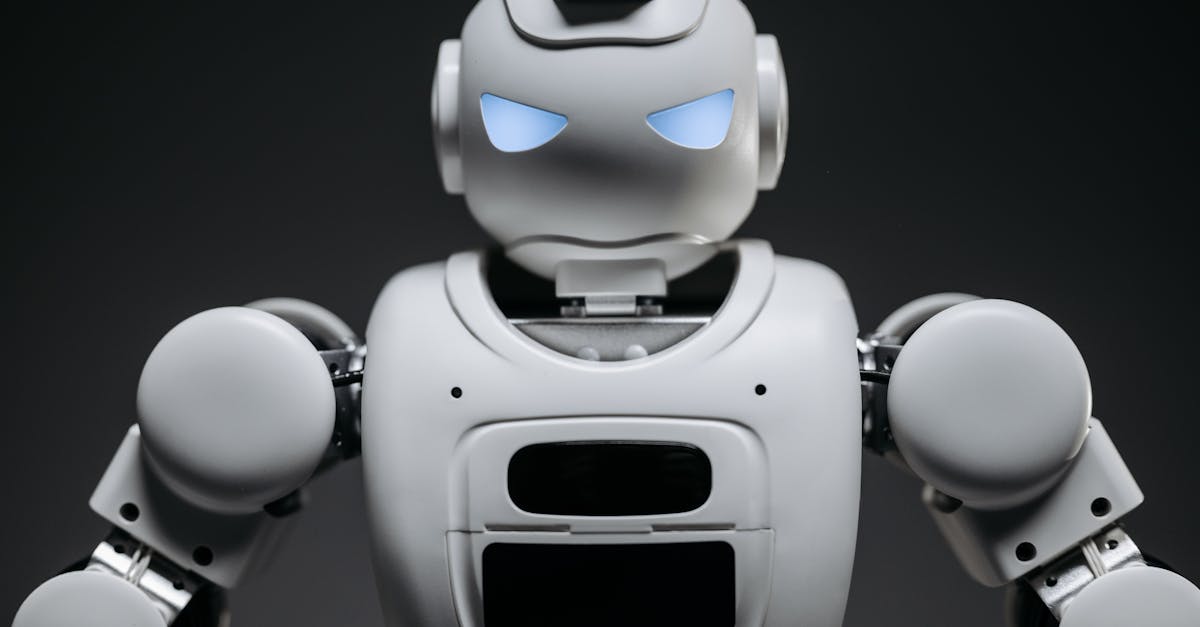
The Promise vs. The Reality of Cooking Robots
The concept of a robot that cooks dinner has moved from science fiction to a nascent market segment. However, in the context of India's diverse culinary landscape, the distinction between marketing claims and shipping hardware is critical. This article grades the current state of cooking automation based on verifiable hardware, pilot deployments, and manufacturer specifications. We focus on three key systems: Thermomix, Moley Robotics, and the Nymble system (referenced here as the Nymble Julia configuration where applicable).
For Indian households, the stakes are higher than in Western markets. The kitchen is not merely a utility space but a hub for complex spice grinding, multi-course meal preparation, and often, limited counter space in urban apartments. Consequently, the viability of cooking robots in India depends less on the sophistication of the arm and more on their ability to handle specific constraints like gas stoves, small footprints, and variable ingredient textures.
The Thermomix Model: Mature Automation
While often categorized as a smart appliance rather than a humanoid robot, the Thermomix (by Vorwerk) represents the most commercially mature "cooking robot" currently available in India. It is a countertop device that integrates a processor, scale, and heating element into a single unit.
Specifications and Capabilities
The Thermomix TM6 does not use robotic arms to manipulate ingredients in the traditional sense. Instead, it utilizes a high-speed blending blade (up to 10,000 RPM) and a heated cooking bowl. The automation lies in its ability to guide the user through recipes via an onboard screen and cloud integration.
- Weight Capacity: Handles up to 2.2 kg of ingredients in the bowl.
- Temperature Control: Precise heating from 37°C to 160°C.
- Connectivity: Wi-Fi enabled recipe cloud, though manual oversight is required.
- Dimensions: Compact footprint, suitable for standard Indian kitchen counters.
Unlike the robotic arms discussed later, the Thermomix requires manual loading of ingredients. It is an automated cooker, not a fully autonomous chef. However, it is the only system in this category with a verified supply chain in India.
India Pricing and Availability
Thermomix operates on a direct sales model in India. The landed cost for the TM6 model ranges between INR 2.4 Lakh and INR 2.8 Lakh, depending on the configuration and warranty package. This pricing places it firmly in the premium appliance category, accessible primarily to upper-middle-class households in metro cities like Mumbai, Delhi, and Bengaluru.
Availability is restricted to direct sales agents. There is no third-party e-commerce availability, which ensures quality control but limits accessibility for rural or semi-urban markets.
Moley Robotics: The Vision vs. The Reality
Moley Robotics has been a prominent name in the cooking automation space since its inception in the UK. The vision involves a dual-arm robot system that mimics human hand movements to prepare complex meals.
Hardware Status and Pilot Deployments
Moley's flagship product, the Moley Kitchen Robot, aims to replicate human dexterity using 12 degrees of freedom. The system includes two robotic arms, a vision system for ingredient recognition, and a virtual kitchen model for recipe planning.
As of the latest verifiable updates, Moley has moved away from the "fully autonomous humanoid" promise toward semi-autonomous kitchen solutions. The first generation units were largely limited to pilot deployments in luxury hotels and demonstration kitchens in the UK.
- Shipping Status: No mass-market retail availability confirmed globally as of late 2023.
- Deployment: Limited to private showrooms and select commercial partners.
- Pricing: Estimated at over $500,000 USD per unit in early beta phases.
For India, the Moley system faces significant hurdles. The robot requires a dedicated kitchen setup with specific counter heights and appliance integration that does not exist in standard Indian housing. Furthermore, the lack of a service network in India makes maintenance of high-torque robotic arms a logistical challenge.
Challenges in the Indian Context
The Indian kitchen often relies on gas stoves (LPG) for high-heat cooking (tadka), whereas Moley's vision has traditionally favored induction-compatible setups. The robotic arms must handle wet, oily, and heavy ingredients like lentils (dal) or heavy spices, which increases wear on the joints.
Without a verified pilot deployment in an Indian household, this remains a speculative category for the Indian consumer. The "Moley" brand is currently in the "Announcement" phase for mass residential deployment in India, not the "Shipping Hardware" phase.
Nymble and Emerging Kitchen Automation
Nymble (often referenced in early marketing as the Nymble Julia configuration) represents a hybrid approach between the Thermomix and the Moley. It focuses on the "cooking arm" rather than the entire kitchen ecosystem.
Residential Viability and Pricing
Nymble's hardware is designed to be mounted above a stove, using a single arm to stir, pour, and flip. This reduces the footprint compared to the dual-arm Moley system.
- Mechanism: 6-axis robotic arm mounted above a standard cooktop.
- Functionality: Automated stirring and ingredient addition.
- Commercial Focus: Primarily targeted at commercial kitchens (QSRs) rather than residential homes.
Residential pricing estimates suggest a unit cost between $15,000 and $25,000 USD, excluding installation. In INR terms, this translates to approximately INR 12 Lakhs to INR 20 Lakhs landed cost. This pricing is prohibitively high for the average Indian household.
There is no confirmed evidence of a "Nymble Julia" residential unit shipped to India. The system remains in the "Pilot Deployment" phase globally, with limited traction in the residential sector. For the Indian market, the lack of after-sales service for specialized robotics arms is a critical barrier.
The Indian Kitchen Constraint
The viability of any cooking robot in India hinges on three factors that these manufacturers often overlook in global press releases:
1. Counter Space
Urban Indian apartments often have countertop depths of 600mm to 700mm. Moley's dual-arm system requires a width of over 2 meters. Nymble requires overhead clearance. Thermomix fits within the standard footprint.
2. Ingredient Handling
Indian cooking involves wet grinding (masala paste), which creates a mess. Automated arms must be washable and resistant to oil. Most robotic arms are rated for dry or semi-dry environments. The Thermomix is sealed against moisture, making it more robust for the Indian kitchen.
3. Energy and Infrastructure
Robotic arms require high-voltage connections. Many Indian homes rely on stabilized 230V supply but lack the dedicated circuits required for high-load kitchen automation. The cost of retrofitting a kitchen to support these machines often exceeds the cost of the machine itself.
Final Verdict on Cooking Robotics in India
Based on the current evidence grading shipping hardware first, pilot deployments second, and announcements last:
- Thermomix: Shipping Hardware. It is the only option available for purchase in India today. It is an automated appliance, not a humanoid robot, but it offers the most reliable value.
- Moley: Pilot Deployments. The technology exists but is not commercially available for Indian homes. The cost and infrastructure requirements are prohibitive.
- Nymble (Julia): Announcements/Pilot. The residential model is not yet mass-shipped. It remains a commercial kitchen solution.
For the Indian consumer, the immediate future lies in semi-autonomous appliances like the Thermomix rather than fully autonomous humanoid chefs. The "Nymble Julia" and "Moley" brands represent a future vision that requires significant infrastructure investment before it becomes a consumer reality.
Until manufacturers can address the specific constraints of Indian kitchen ergonomics and provide localized service networks, these cooking robots will remain niche products for ultra-high-net-worth individuals rather than a mass-market application.
References
- Thermomix India Official Site: vorwerk.co.in
- Moley Robotics Official Site: moleyrobotics.com
- Nymble Official Site: nymble.io
- RobotWale Editorial Review of Kitchen Automation: robotwale.com
✓ Key takeaways
- •Hands-on view of Cooking Robots: Reality Check on Moley, Thermomix, and Nymble for Indian Kitchens inside our Cooking Robots library.
- •Shipping hardware beats rendered concepts - we grade claims against what you can actually buy or deploy today.
- •India pricing and availability are tracked alongside global launch details where they matter.
References
Related articles
More in Cooking Robots →

