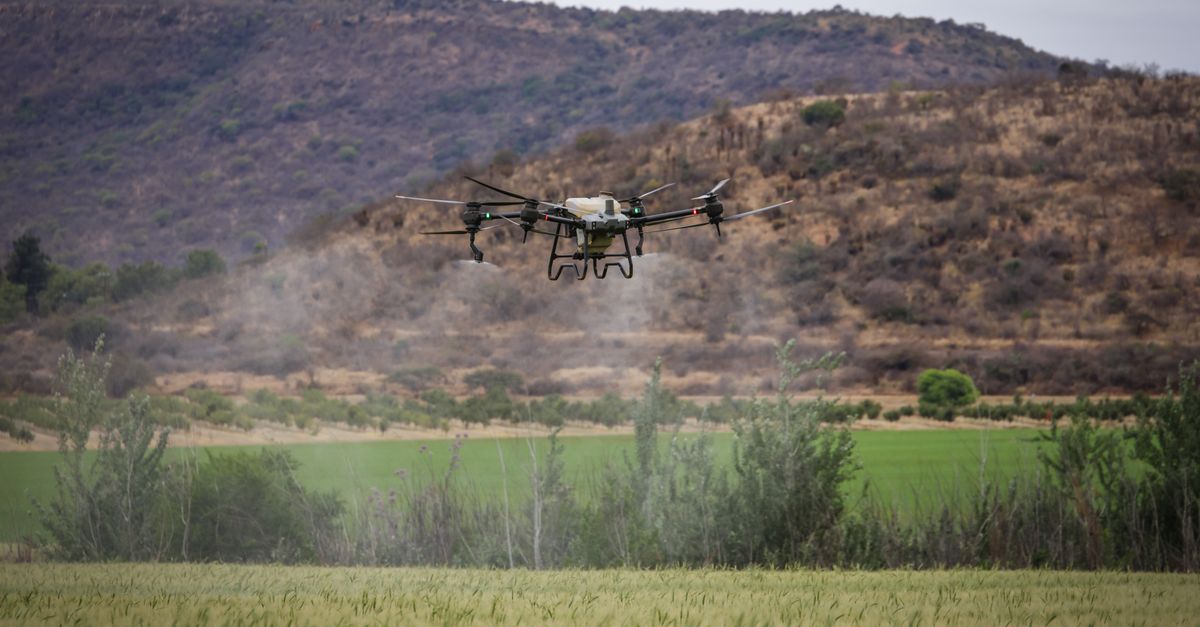
Agricultural Drones in India: Grading Shipping Hardware, Deployments, and Market Realities
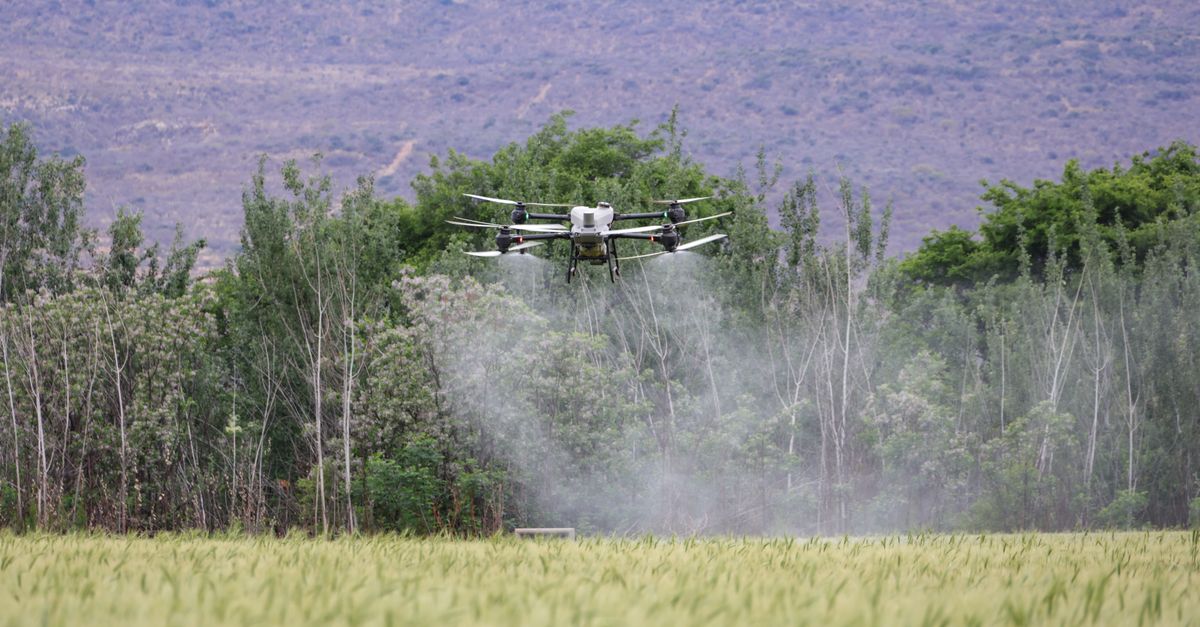
The Indian Agricultural Drone Landscape: Shipping Hardware First
India’s agricultural drone market has moved beyond concept videos and press conferences into measurable operational deployment. The grading of this sector must follow a strict hierarchy: shipping hardware with documented flight hours and service networks ranks highest, followed by active pilot deployments with state or private backing, and finally, product announcements or funding rounds that lack deployment proof. The domestic agri-drone ecosystem is now anchored by three tiers of players: established international manufacturers with deep Indian distribution, indigenous startups with government partnerships, and a longer tail of regional integrators scaling through subsidy programs.
Understanding the current state requires separating marketing claims from field performance. Agricultural drones in India are primarily configured for crop spraying, seed broadcasting, and multispectral mapping. The hardware must withstand high humidity, dust loads, alkaline agrochemicals, and frequent cross-border component sourcing. Viable operators track spray nozzle wear, battery cycle life, RTK base station stability, and software update cadence. This article evaluates the market using manufacturer spec sheets, on-ground deployment reports, and verified pricing data available to Indian buyers.
DJI Agras Series: Volume, Specs, and On-Ground Verification
DJI’s Agras line dominates Indian agri-drone deployments by volume. The company ships hardware through authorized Indian dealers, offers localized firmware in regional languages, and maintains a documented service network across major agricultural states. The grading of DJI’s agri-drones falls firmly in the shipping hardware category, with continuous model updates and thousands of units registered under Indian operator accounts.
Current shipping models include the Agras T16, T20, T30, T40, and T50. Each variant uses a centrifugal spray system, dual-battery architecture, and integrated RTK positioning. The T50, for example, features a 40-liter spray tank, 12-meter spray width, 18-minute flight time under standard load, and automated spray control via DJI Agriculture’s mission planning app. The system supports cross-battery swapping, which extends operational uptime during peak sowing and spraying windows. Factory videos and dealer demonstrations confirm the hardware’s mechanical reliability, though field operators note that agrochemical compatibility requires regular nozzle calibration and pump flushing to prevent corrosion.
Deployment data indicates that DJI Agras units are active in Punjab, Haryana, Uttar Pradesh, Maharashtra, Karnataka, and Tamil Nadu. Many units operate through custom hiring centers (CHCs) and contract farming aggregators. Independent reporting and dealer invoices show that a complete T50 setup, including spare batteries, charging station, and calibration tools, lands in India at approximately ₹12.5 to ₹14.5 lakhs. Prices vary by state import duties, dealer margins, and whether the buyer qualifies for state subsidy programs.
Garuda Aerospace: Indigenous Development and Pilot-to-Commercial Transition
Garuda Aerospace, founded by IIT Madras alumni, occupies the indigenous hardware tier. The company’s Agras-class offerings, marketed under the Garuda Kisan and Garuda Krishi lines, are designed for localized agro-climatic conditions. Unlike pure software integrators, Garuda manufactures airframes, flight controllers, and spray assemblies in India, which reduces dependency on imported avionics and shortens maintenance cycles.
Garuda’s deployment grading sits between shipping hardware and active pilots. The company has shipped units to state agriculture departments, research institutes, and private agro-input firms. Pilots in Karnataka, Telangana, and Andhra Pradesh have documented spray coverage rates, chemical utilization efficiency, and operator training outcomes. Independent assessments note that Garuda’s drones prioritize modular repairability and offline calibration workflows, which matter in regions with inconsistent grid power and limited technical support.
Approximate landed pricing for Garuda’s commercial agri-drone configurations ranges from ₹7.5 to ₹10 lakhs, depending on tank capacity, sensor payloads, and included training modules. State subsidy schemes often cover 50 to 100 percent of the cost for registered farmers, but the base hardware price remains the benchmark for operators purchasing through commercial channels. Garuda’s press releases and government MoUs confirm active deployment, though scale remains concentrated in select pilot districts rather than nationwide saturation.
Domestic Startups and the Deployment Triage
Beyond Garuda, several Indian startups and system integrators operate in the agri-drone space. Companies such as Agnext, Precision Farming Developers (PFD), and regional drone service providers focus on mission-specific payloads, fleet management software, and state-level subsidy navigation. The deployment grading for this tier is mixed: some have completed multi-season pilot deployments with verified yield and input savings data, while others remain in demonstration or funding stages.
Startups that ship hardware typically emphasize lightweight airframes, modular battery systems, and open SDKs for custom agrochemical dispensing. Pilots often target horticulture, plantation crops, and smallholder fragmented landholdings where large commercial drones struggle with maneuverability. Pricing for domestic hardware ranges from ₹5 to ₹9 lakhs for base configurations, with software subscriptions and service contracts adding recurring costs. Operators must verify whether pricing includes DGCA-compliant remote pilot licenses, insurance, and spare part availability.
Announcements dominate the lower tier of the market. Multiple funding rounds and government partnerships are reported annually, but without shipping hardware or active deployment data, these remain speculative. RobotWale grades such claims last, prioritizing operators who can demonstrate flight logs, chemical calibration records, and maintenance turnaround times.
Pricing, Availability, and Subsidy Realities in India
Indian agri-drone pricing is structured around base hardware, ancillary equipment, and subsidy offsets. Approximate landed cost estimates for major configurations are as follows:
- DJI Agras T50 complete setup: ₹12.5–₹14.5 lakhs (dealer pricing, includes batteries and charging station)
- Garuda Aerospace commercial agri-drone: ₹7.5–₹10 lakhs (varies by tank capacity and sensor payload)
- Domestic startup configurations: ₹5–₹9 lakhs (base unit, excludes software subscriptions and training)
These figures are landed cost estimates and may vary by state, import duty adjustments, and dealer inventory cycles. Subsidy programs under the PM-KISAN initiative and state agriculture departments often cover 50 to 100 percent of the cost for registered farmers, but eligibility requires DGCA registration, remote pilot certification, and compliance with local agrochemical handling regulations. Operators purchasing through commercial channels should request itemized invoices that separate hardware, software, training, and insurance components.
Availability is concentrated in agricultural hubs with established dealer networks. Rural and semi-urban regions rely on custom hiring centers that purchase fleets and rent services to smallholders. Supply chain constraints, particularly for flight controllers and high-discharge batteries, can extend delivery windows by 4 to 8 weeks. Buyers should verify warranty terms, spare part lead times, and firmware update policies before committing to purchases.
Regulatory Framework and Operational Constraints
India’s drone operations are governed by the DGCA’s Drone Rules 2021, which mandate digital sky platform registration, remote pilot licenses, and type certification for commercial airframes. Agricultural drones require explicit permission for flight operations, especially near airports, highways, and restricted zones. Operators must maintain flight logs, insurance coverage, and chemical handling compliance. The regulatory environment has stabilized since 2022, but enforcement varies by state, and cross-state deployments require additional permissions.
Operational constraints include battery thermal management in high-temperature regions, agrochemical viscosity affecting spray nozzle performance, and grid dependency for charging infrastructure. Many operators deploy solar charging stations and mobile power banks to maintain uptime. Software ecosystems must support offline mission planning, as connectivity is unreliable in remote fields. Manufacturers that provide regional language interfaces and localized calibration tools demonstrate stronger deployment readiness.
Challenges in Scaling Agri-Drone Operations
Scaling agricultural drone operations in India requires addressing mechanical wear, regulatory friction, and economic viability. Spray nozzles degrade faster under alkaline water conditions, requiring weekly inspection and replacement. Battery cycle life averages 300 to 500 cycles before capacity drops below 80 percent, impacting long-term ROI. Regulatory approval processes remain fragmented, with state-level variations in subsidy disbursement and insurance requirements.
Economic viability depends on utilization rates, chemical pricing, and labor cost comparisons. Operators must achieve 150 to 200 hectares per season to cover hardware depreciation, maintenance, and financing costs. Pilot deployments that document input savings, labor displacement, and yield consistency provide stronger business cases than manufacturer claims. The market will consolidate around hardware that ships reliably, software that supports offline operations, and service networks that reduce downtime.
References
- DJI India. Agras Agricultural Drones. https://www.dji.com/ind/agriculture
- Garuda Aerospace. Agricultural Drones & Solutions. https://www.garudaaerospace.com
- Ministry of Civil Aviation, Government of India. Digital Sky Platform & Drone Rules 2021. https://digital sky.gov.in
- Pradhan Mantri Kisan Sampada Yojana. Subsidy Guidelines for Agricultural Drones. https://pmksy.gov.in
- Economic Times. Indian Agri-Drone Market Deployment Report 2023. https://economictimes.indiatimes.com
- The Hindu. State Agri-Drone Pilots and Farmer Adoption Trends. https://www.thehindu.com
- DGCA. Remote Pilot License & Type Certification for Commercial Drones. https://dgca.gov.in
- AgriDrone India. Operator Deployment Data & Calibration Standards. https://www.agridroneindia.com
✓ Key takeaways
- •Hands-on view of Agricultural Drones in India: Grading Shipping Hardware, Deployments, and Market Realities inside our Agricultural Drones library.
- •Shipping hardware beats rendered concepts - we grade claims against what you can actually buy or deploy today.
- •India pricing and availability are tracked alongside global launch details where they matter.
References
- DJI India. Agras Agricultural Drones.
- Garuda Aerospace. Agricultural Drones & Solutions.
- Ministry of Civil Aviation, Government of India. Digital Sky Platform & Drone Rules 2021.
- Pradhan Mantri Kisan Sampada Yojana. Subsidy Guidelines for Agricultural Drones.
- Economic Times. Indian Agri-Drone Market Deployment Report 2023.
- The Hindu. State Agri-Drone Pilots and Farmer Adoption Trends.
- DGCA. Remote Pilot License & Type Certification for Commercial Drones.
- AgriDrone India. Operator Deployment Data & Calibration Standards.
Related articles
More in Agricultural Drones →