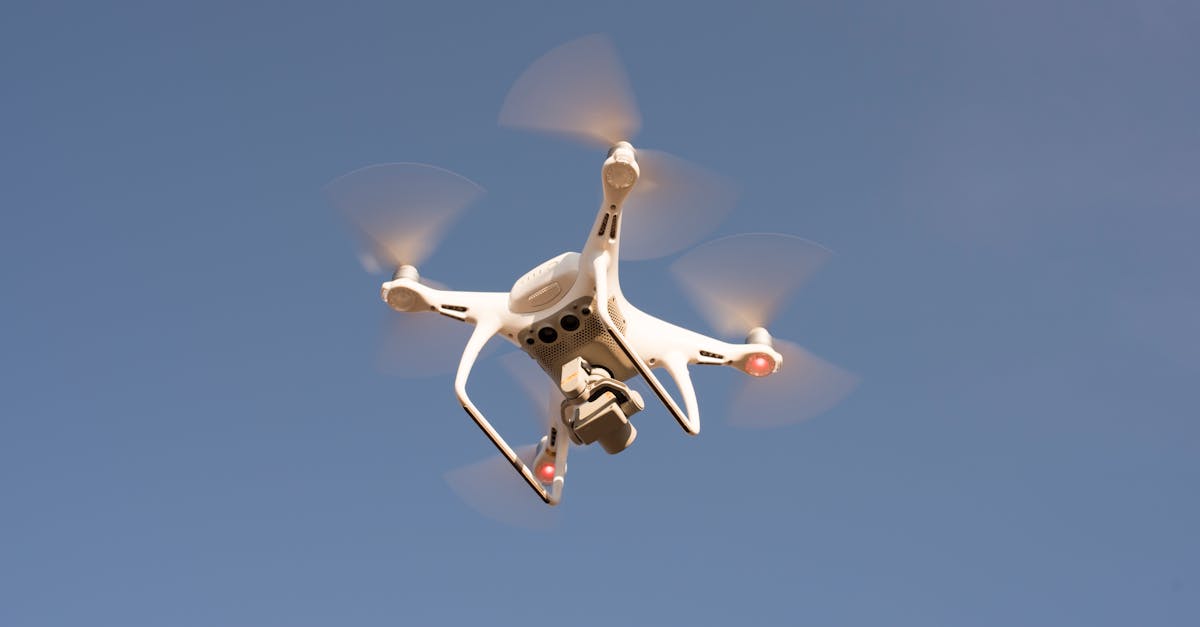
Navigating India's Drone Regulations: A Practical Guide to DGCA Compliance

The Regulatory Framework Under the Drone (Management) Rules, 2021
The legal landscape for unmanned aerial systems (UAS) in India has undergone a significant transformation with the implementation of the Drone (Management) Rules, 2021. Enacted by the Ministry of Civil Aviation (MoCA), these rules replaced the previous Unmanned Aircraft Systems (UAS) Rules, 2021, to provide a comprehensive regulatory framework. The Directorate General of Civil Aviation (DGCA) serves as the primary regulatory authority, overseeing the issuance of approvals, licenses, and permits. This article provides a ground-level assessment of the current regulatory regime, focusing on operational compliance rather than theoretical possibilities.
Before the 2021 rules, drone operations in India were heavily restricted, often requiring security clearances that delayed commercial viability. The new framework aims to decouple drone operations from the restrictive licensing regime that characterized the early aviation sector. The core principle is that no person shall fly, operate, or own a drone in India without complying with the regulations prescribed by the DGCA. This applies to both domestic manufacturers and importers, as well as operators ranging from hobbyists to commercial enterprise users.
Classification of Drones
The DGCA categorizes drones into five classes based on weight and operational parameters. This classification dictates the regulatory burden, registration requirements, and permitted flight zones.
- Nano Drones: Weighing less than 250 grams. These are subject to the lightest regulatory burden but still require registration under the Digital Sky Platform.
- Micro Drones: Weighing between 250 grams and 2 kilograms. These require a remote pilot license and specific operational permissions.
- Small Drones: Weighing between 2 kilograms and 25 kilograms. These are the most common class for commercial applications, such as surveying and agriculture.
- Medium Drones: Weighing between 25 kilograms and 150 kilograms. These are generally restricted to specific corridors and require advanced security clearance.
- Large Drones: Weighing more than 150 kilograms. These fall under strict aviation regulations similar to manned aircraft.
For the Indian commercial market, the Nano and Micro categories have seen the most growth due to the liberalization of rules for hobbyists and small businesses. However, the Small category remains the backbone of the commercial logistics and inspection sector.
Registration and Licensing Requirements
Compliance begins with registration. Under the Drone (Management) Rules, 2021, every drone must be registered on the Digital Sky Portal, a centralized platform managed by the DGCA. Upon registration, the drone is assigned a unique UAS ID, which must be displayed on the airframe. This ID is crucial for tracking and enforcement purposes.
The registration process requires the submission of specific documents, including the purchase invoice, proof of identity, and details regarding the drone's specifications. For imported drones, the importer must also ensure that the device meets the standards prescribed by the Bureau of Indian Standards (BIS). The Drone Rules have mandated that only drones with a valid No Objection Certificate (NOC) from the DGCA can be imported or manufactured.
In addition to drone registration, operators must obtain a Remote Pilot License. This license is mandatory for operating any drone other than Nano drones. The licensing process involves training through a certified drone training institute (DTI) and passing a written examination. The training covers aviation laws, weather considerations, and emergency procedures. The cost of training varies by institute, typically ranging between INR 15,000 and INR 30,000, depending on the complexity of the course and the class of drone covered.
It is critical to note that the license is valid for a specific period and must be renewed. Operating without a license is a violation of the rules and can lead to penalties under the Aircraft Act, 1934. The DGCA has the authority to seize drones operated in violation of the rules, making compliance a financial necessity for businesses.
No-Fly Zones and Operational Restrictions
One of the most significant aspects of the regulatory framework is the restriction on flight zones. The DGCA, in consultation with the Ministry of Defence and the Ministry of Home Affairs, designates No-Fly Zones (NFZs). These zones include airports, military installations, international borders, and sensitive government facilities.
The Digital Sky Platform features a map that clearly indicates where drones can and cannot fly. Operators must obtain a Digital Sky Permit to fly in permitted areas, which are often further divided into green, yellow, and red zones. Flying in red zones without authorization is strictly prohibited. The permit system allows operators to apply for specific flight missions, detailing the route, altitude, and purpose of the flight.
For commercial entities, the requirement to obtain an Unmanned Aircraft Operator Permit (UAOP) is mandatory. This permit allows the holder to operate drones for commercial purposes. The UAOP is issued after the applicant demonstrates financial viability and technical competence. The validity of the UAOP is typically tied to the specific types of operations authorized, such as surveying, photography, or aerial logistics.
Recent amendments have introduced provisions for drone traffic management in urban areas. With the rise of urban mobility, the DGCA is working towards establishing corridors for drone operations in cities like Bengaluru and Hyderabad. However, until these corridors are officially notified, operators must adhere to the existing NFZ map. This restriction limits the immediate commercial viability of last-mile delivery drones in high-density urban environments.
Import and Manufacturing Regulations
The Drone Rules, 2021, have liberalized the import regime to an extent, but the Import Licensing regime remains in place for certain categories. The government has introduced the Advanced Authorization and EPC (Export Promotion Capital Goods) schemes to boost domestic manufacturing. However, for entities looking to import drones for commercial use, the licensing process remains rigorous.
The government has also introduced the Advanced Authorization Scheme for Drone Manufacturing, which allows manufacturers to import raw materials without paying customs duty. This is intended to make Indian drones cost-competitive against imports from China and other nations. Despite this, the requirement for a No Objection Certificate (NOC) from the DGCA remains a bottleneck for many small manufacturers.
For the consumer market, the cost of compliance adds to the landed cost of the drone. While a high-end drone might cost INR 50,000 to INR 100,000, the compliance costs including registration fees, training, and permits can add an additional INR 10,000 to INR 20,000 annually. For small businesses, this represents a significant operational expense that must be factored into pricing models.
Enforcement and Penalties
The DGCA has been empowered to enforce the rules under the Aircraft Act, 1934. Penalties for non-compliance can include fines, seizure of equipment, and cancellation of licenses. In severe cases, where a drone is used for security threats or illegal surveillance, the Police and Intelligence agencies may be involved.
Recent incidents have highlighted the need for stricter enforcement. In 2023, several commercial drone operators were penalized for flying without proper permits in restricted zones. These cases serve as a warning to the industry that the regulatory framework is not merely advisory but legally binding. The DGCA has indicated that it is setting up a dedicated cell to monitor drone violations and ensure compliance.
For the industry, this means that compliance is not optional. Companies must maintain a register of all their drones, pilots, and flight logs. Failure to produce these records during an inspection can lead to penalties. The emphasis on data security and privacy is also growing, with regulations requiring that drone data be stored securely and not shared with unauthorized third parties.
Future Outlook and Regulatory Evolution
The regulatory landscape is evolving to support the growth of the drone ecosystem. The government has announced plans for the Drone Mantra 2.0, which aims to further streamline the regulatory process and integrate AI-based traffic management systems. The Digital Sky Platform is being upgraded to allow real-time tracking of drones, which will enhance safety and security.
There is also a push to allow beyond visual line of sight (BVLOS) operations for specific commercial use cases, such as logistics and agriculture. This requires further amendments to the current rules, as the existing framework largely restricts operations to visual line of sight (VLOS). The DGCA is currently working on a roadmap to certify BVLOS operations safely.
For the Indian market, the near-term future lies in the commercialization of the Small and Nano categories. The regulatory framework provides a stable foundation, but the pace of commercial adoption depends on the ease of obtaining permits and the clarity of NFZ maps. Companies must remain agile, monitoring DGCA notifications for changes that could impact their operational models.
In conclusion, the Drone (Management) Rules, 2021, represent a significant step forward in the governance of unmanned aerial systems in India. While the regulatory burden is higher than in some other jurisdictions, it provides a clear path to commercialization for those who comply. For manufacturers and operators, the focus must be on maintaining a robust compliance framework to avoid legal and financial risks.
✓ Key takeaways
- •Hands-on view of Navigating India's Drone Regulations: A Practical Guide to DGCA Compliance inside our DGCA Drone Rules library.
- •Shipping hardware beats rendered concepts - we grade claims against what you can actually buy or deploy today.
- •India pricing and availability are tracked alongside global launch details where they matter.
References
Related articles
More in DGCA Drone Rules →