Elder-Care Robots: Shipping Hardware, Pilot Deployments, and the Assistive Companion Reality
Grading Framework: Hardware, Pilots, and Announcements
RobotWale evaluates elder-care and assistive companion robots strictly by deployment maturity. Claims are graded in descending order of credibility: shipping hardware with verified unit deliveries, documented pilot deployments in clinical or residential facilities, and manufacturer announcements or render-based concept releases. This framework separates functional assistive hardware from marketing projections, ensuring readers can distinguish between robots that are actively operating in homes and institutions versus those still in demonstration or pre-order phases.
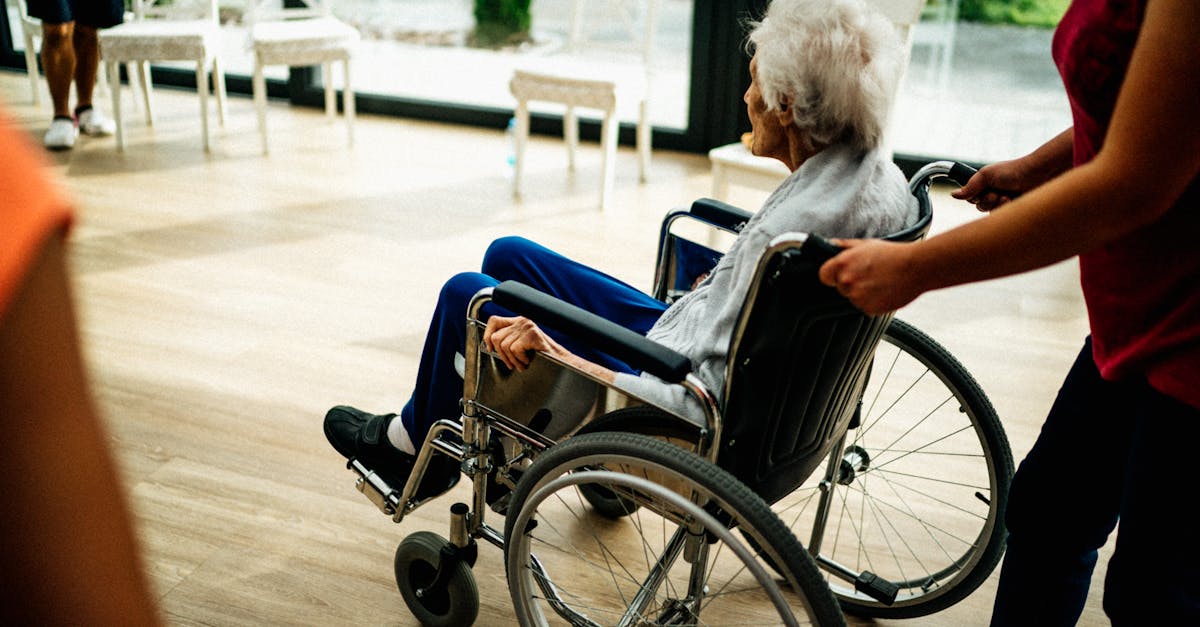
The elder-care category is frequently conflated with heavy-lifting mobility assistants or clinical intervention robots. In practice, the commercially viable segment consists of social and assistive home companions. These units prioritize proactive engagement, medication reminders, environmental monitoring, and therapeutic interaction rather than physical patient handling or medical diagnostics. Understanding this distinction is critical when evaluating specifications, service requirements, and realistic deployment timelines in India and global markets.
ElliQ by Intuition Robotics: Proactive Aging Assistant
Intuition Robotics launched ElliQ as a proactive aging assistant in late 2022. Unlike reactive voice assistants, ElliQ employs an active engagement model, initiating conversations, suggesting activities, and coordinating with family members or caregivers through a dedicated companion app. The hardware ships as a tablet-style display mounted on a rotating base, equipped with a 13-megapixel camera, microphone array, and proximity sensors for room presence detection.
Shipping hardware status is confirmed. ElliQ units have been delivered to residential subscribers across North America and Europe, with ongoing firmware updates and third-party integrations for calendar, messaging, and health tracking. The device relies on cloud-based AI for natural language processing and does not process sensitive biometric data locally, which simplifies initial deployment but introduces dependency on stable broadband connectivity.
India availability remains unverified through official channels. Intuition Robotics has not announced a direct India launch or partnered with local healthcare distributors. Prospective buyers would need to import the unit through cross-border electronics channels, which incurs standard electronics import duties, GST, and customs processing fees. Landed cost estimates for a single unit, including shipping, duties, and taxes, typically range between INR 1,10,000 and INR 1,30,000, though these figures are subject to fluctuation based on exchange rates and customs valuation practices. Service infrastructure, warranty coverage, and replacement parts for ElliQ in India are not currently established, making long-term maintenance a consideration for institutional buyers.
Paro Therapeutic Robot: Seirei's Clinical Companion
Paro, developed by Seirei, is a commercially shipped therapeutic robot modeled after a harp seal pup. First introduced in 2008, Paro has accumulated decades of deployment data across hospitals, nursing homes, and rehabilitation centers worldwide. The unit features a lightweight foam body, pressure sensors in the fur, tactile sensors in the head and limbs, and a built-in microphone and speaker for audio interaction. Paro does not utilize large language models or autonomous navigation; instead, it operates on predefined behavioral algorithms triggered by touch, sound, and movement, making it highly predictable and safe for vulnerable populations.
Deployment grading for Paro places it firmly in the shipping hardware and pilot deployment categories. The robot has received FDA clearance as a medical device for therapeutic use, CE marking for European markets, and ISO 13485 certification for manufacturing quality. Clinical studies have documented reductions in agitation, improved sleep patterns, and enhanced social engagement among dementia patients. The hardware is rugged, requires minimal software updates, and is designed for continuous institutional use rather than consumer retail.
India availability is accessible through specialized medical therapy suppliers and rehabilitation equipment distributors. Paro is not sold through general consumer electronics channels due to its medical device classification. Landed cost estimates for institutional procurement, including import duties, GST, and logistics, typically fall between INR 2,50,000 and INR 3,20,000 per unit. Service support in India is limited to authorized medical equipment vendors, with calibration and firmware updates requiring direct coordination with Seirei or regional distributors. Nursing homes and geriatric care facilities in tier-1 cities have piloted Paro, with documented adoption in palliative care wards and cognitive rehabilitation programs.
Lovot by GROOVE X: Emotional Companion Robot
GROOVE X manufactures Lovot, an emotional companion robot designed for residential use. The unit features a rounded, child-sized chassis, dual cameras for face recognition, depth sensors, and a suite of microphones and speakers. Lovot operates on a subscription model in Japan, where it learns user preferences over time and responds to touch, voice, and environmental cues. The robot can move on wheels, tilt its head, and display facial expressions through an LED screen.
Shipping hardware status is confirmed for the Japanese domestic market, with limited international shipping available through authorized channels. GROOVE X has expanded distribution to select markets in Asia and North America, but global supply chains remain constrained by production capacity and subscription-based fulfillment. The hardware does not include medical-grade certifications or clinical trial data, positioning it strictly as a consumer emotional companion rather than a therapeutic device.
India availability is not officially established. GROOVE X has not announced direct distribution partnerships in India, and cross-border imports would require navigating consumer robotics import regulations, standard duties, and GST. Landed cost estimates for a single unit, including shipping, duties, and taxes, typically range between INR 1,80,000 and INR 2,20,000. Warranty and service coverage for Lovot in India are not currently available, meaning maintenance would rely on third-party electronics repair centers or direct international support channels. The subscription model, which covers software updates and cloud services, also presents a cross-border billing and data compliance consideration for Indian residents.
Assistive Home Companion Ecosystem: Technical Reality
The broader assistive companion category includes multiple manufacturers producing tablet-based, robotic, and wearable elder-care devices. Common technical specifications across shipping hardware units include:
- Camera arrays ranging from 8MP to 13MP for environmental monitoring and video calls
- Microphone arrays with beamforming for voice pickup in noisy environments
- Proximity and presence sensors for room occupancy detection
- Cloud-dependent AI for natural language processing, calendar coordination, and medication reminders
- Wi-Fi 6 or cellular connectivity for remote caregiver dashboards
Manufacturers frequently market these devices as autonomous elder-care solutions, but independent testing reveals consistent limitations. Most units require daily charging, regular firmware updates, and stable broadband. Privacy concerns remain active, as continuous audio and video monitoring necessitates strict data handling policies. Service infrastructure in emerging markets, including India, often lacks certified technicians for camera calibration, sensor replacement, and battery management, making institutional adoption dependent on vendor-backed support contracts.
India Availability and Economic Reality
India's elder-care robotics market is in an early adoption phase. Regulatory classification, import logistics, and service infrastructure dictate market penetration. Key factors include:
- CDSCO classification: Therapeutic robots like Paro require medical device registration, while social companions like ElliQ and Lovot fall under consumer electronics, simplifying initial import but limiting clinical claims
- Import duties and GST: Standard electronics duties range from 10% to 20%, with GST at 18% to 28% depending on classification, significantly impacting landed costs
- Service infrastructure: Certified repair centers for robotic sensor arrays and battery management are concentrated in tier-1 cities, with limited coverage for rural or semi-urban deployments
- Cultural adoption: Family-led care remains the dominant model in India, with institutional adoption driven by corporate wellness programs, senior living communities, and specialized geriatric clinics
Landed cost estimates for elder-care and assistive companion robots in India typically range between INR 1,10,000 and INR 3,20,000 per unit, depending on medical classification, import channel, and service package inclusion. These figures are flagged as approximate landed cost estimates and may vary based on exchange rates, customs valuation, and distributor margins.
Deployment Grading and Practical Adoption
RobotWale grades elder-care robot claims by verified deployment status. Shipping hardware units like ElliQ, Paro, and Lovot have demonstrated functional operation in residential and institutional settings. Pilot deployments continue to expand in cognitive care facilities and senior living communities, with documented outcomes focusing on engagement, medication adherence, and caregiver workload reduction. Announcements and render-based concepts lack operational data and should be evaluated as long-term development roadmaps rather than immediate procurement options.
Practical adoption in India requires clear service agreements, data privacy compliance, and realistic expectations regarding assistive functionality. Elder-care robots currently excel at proactive engagement, environmental monitoring, and therapeutic interaction. They do not replace human caregivers, medical professionals, or emergency response systems. Buyers should prioritize units with established service infrastructure, verified deployment data, and transparent data handling policies before committing to institutional procurement.
References
- Intuition Robotics. ElliQ Product Specifications and Deployment Reports. https://www.intuitionrobotics.com
- Seirei. Paro Therapeutic Robot Clinical Documentation and ISO 13485 Certification. https://www.parorobot.com
- GROOVE X. Lovot Technical Specifications and Global Distribution Information. https://www.groovex.jp
- Indian Customs Tariff and GST Council. Electronics and Medical Device Import Regulations. https://cbic.gov.in
- Independent Robotics Analysis. Assistive Companion Sensor Arrays and Cloud Dependency Testing. https://www.robotwale.com