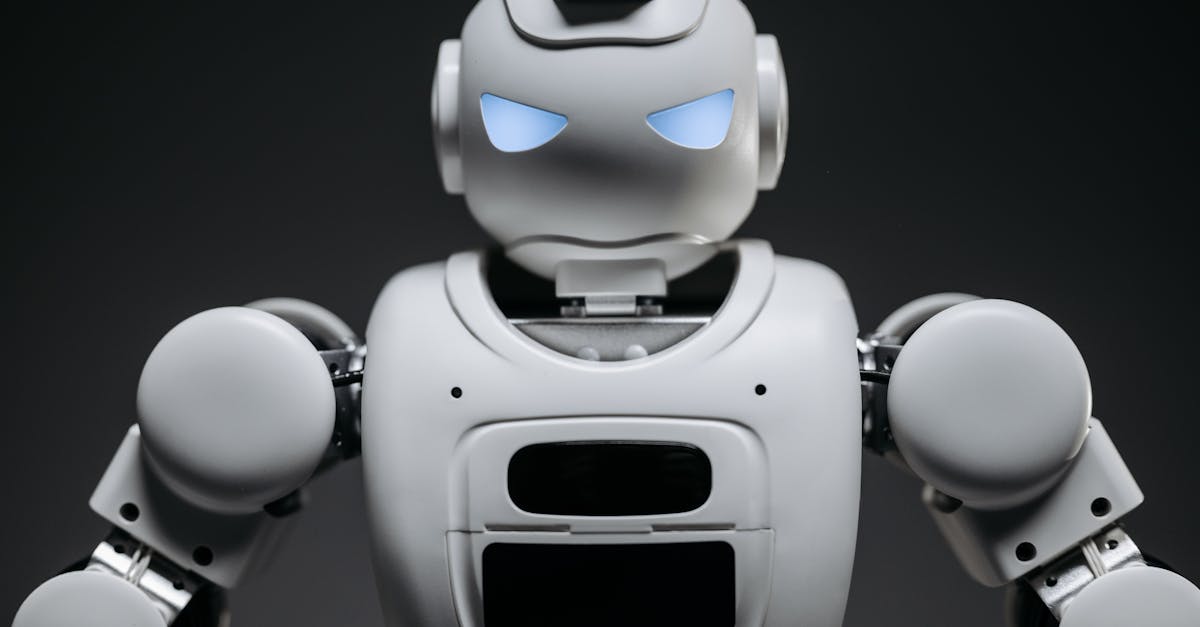
Figure AI: Grounding the Figure 02 in Hardware and Pilot Deployments
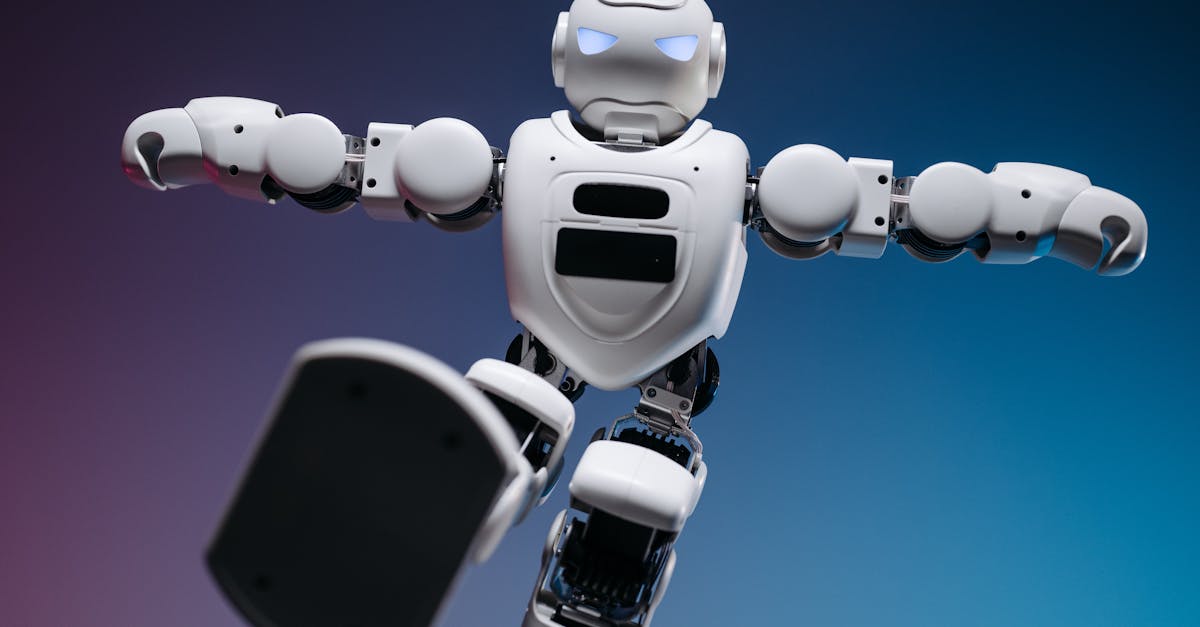
Hardware Progression: From Figure 01 to Figure 02
Figure AI, founded in 2021 by Brett Adcock and Brian Swig, has positioned itself in the humanoid robotics sector through iterative hardware development and strategic capital partnerships. The company’s progression from Figure 01 to Figure 02 reflects a deliberate shift from laboratory validation to controlled industrial deployment. Figure 01, introduced in 2023, served as a foundational platform for motion control and perception testing. Figure 02, unveiled in 2024, introduced structural and computational upgrades designed to support longer operational cycles and higher payload capacities. The platform remains in the pilot hardware phase, with manufacturing scaling contingent on supply chain readiness and deployment feedback rather than mass production targets.
Actuation, Sensing, and Compute Architecture
Figure AI’s published specifications for Figure 02 outline a custom actuation system utilizing high-torque motors and harmonic drives across 40+ degrees of freedom. The platform integrates force/torque sensors at the joints, enabling compliant motion and precise contact control. Perception relies on a multi-modal sensor suite comprising stereo cameras, depth sensors, and solid-state LiDAR mounted on the upper torso and head. Compute architecture is housed in a centralized rack, providing the processing headroom required for real-time state estimation and motor control loops. Figure AI has published technical diagrams and on-stage demonstration videos that document joint torque limits, battery runtime, and sensor field-of-view parameters. These materials serve as the primary reference for independent hardware evaluation, as they detail physical constraints rather than conceptual capabilities.
Manufacturing and Supply Chain Realities
Humanoid robot manufacturing requires precision gearboxes, custom wiring harnesses, and high-density battery management systems. Figure AI announced a planned manufacturing facility in Ohio, with groundbreaking occurring in late 2024. This announcement places the company in the pre-production stage for scaled hardware. The transition from benchtop prototypes to repeatable assembly lines demands rigorous quality control, particularly for joint calibration and sensor alignment. Supply chain dependencies for high-precision reduction gears, custom actuators, and industrial-grade compute modules remain the primary bottleneck for volume deployment. Independent reporting and manufacturer updates confirm that current hardware outputs are limited to pilot units built through controlled fabrication runs rather than automated assembly lines.
Deployment Grade: Pilots, Partnerships, and Validation
Figure AI’s validation strategy prioritizes pilot deployments over broad commercial rollout. Pilots in structured environments provide measurable data on task completion rates, error recovery, and maintenance intervals. The company has documented deployments in automotive manufacturing and logistics research, with outcomes tracked through operational metrics rather than marketing narratives. Pilots remain the highest grade of validation for Figure AI, followed by partnership announcements, which indicate strategic alignment but not technical readiness.
Automotive and Logistics Pilots
Figure AI’s pilot programs include collaborations with major automotive manufacturers. BMW Group deployed Figure 02 units at its Spartanburg, South Carolina facility to evaluate performance in paint and trim operations. The pilot focused on material handling, tool exchange, and workstation support tasks. Geely Automobile established a separate pilot program in China to assess humanoid integration within assembly line workflows. These deployments are confined to controlled industrial settings with standardized workspaces, safety fencing, and dedicated maintenance teams. Task success rates, battery swap frequency, and joint wear metrics are tracked internally and shared through technical briefings rather than public performance guarantees. The automotive sector remains the primary testing ground due to its structured environments and clear ROI benchmarks for labor substitution.
Software Stack and Generalist Models
Figure AI maintains its own foundation model for humanoid control, trained on simulation data and real-world pilot footage. The company has clarified that funding partnerships with OpenAI, Microsoft, and Nvidia do not dictate software architecture or model deployment. OpenAI’s involvement is financial and strategic, while Microsoft provides cloud infrastructure and Nvidia supplies compute hardware for training workloads. Figure AI’s software stack emphasizes imitation learning, reinforcement fine-tuning, and real-time motor control. Pilot deployments have demonstrated improved manipulation accuracy and reduced latency in closed-loop control, but generalist performance in unstructured environments remains under validation. The distinction between training data sources and deployed model weights is critical: simulation-to-real transfer continues to require extensive domain adaptation, and real-world pilot data is actively used to refine perception and actuation policies.
India Market Context and Pricing
Figure AI currently has no direct commercial availability or authorized distribution channels in India. Pilot deployments are concentrated in North America and China, with European validation underway. Indian OEMs and system integrators interested in humanoid robotics would need to pursue direct pilot agreements or wait for regional distributor appointments. The company has not published official pricing for the Indian market, but global early-commercial estimates place the Figure 02 platform between $300,000 and $400,000 per unit. Applying standard currency conversion, this equates to approximately ₹2.5 crore to ₹3.3 crore per unit, excluding integration, safety certification, and import duties. Landed costs in India would likely exceed ₹3.5 crore per unit when accounting for customs tariffs, GST, local compliance testing, and first-year maintenance contracts. Indian manufacturers would typically approach humanoid adoption through phased pilot programs rather than direct procurement, focusing on high-skill labor substitution in controlled environments such as automotive trim, electronics assembly, or pharmaceutical packaging.
What Remains to Be Proven
Several technical and operational milestones must be met before Figure AI’s platform can be considered production-ready for broader industrial use. Mean time between failures (MTBF) for custom actuators and joint sensors requires extended real-world tracking. Battery thermal management and cycle life in continuous shift operations remain under validation. Safety certification for unstructured human-robot collaboration requires standardized compliance frameworks that are still evolving globally. Additionally, the cost of precision gearboxes, custom wiring, and compute modules must decrease to reach the $100,000–$150,000 range necessary for widespread OEM adoption. India’s regulatory landscape for humanoid robotics in manufacturing is still under development, with safety standards and liability frameworks pending formalization. Until these hardware and deployment metrics are independently audited and scaled, Figure AI’s platform remains in the pilot validation phase.
References
- Figure AI Official Platform Specifications: https://www.figure.ai/figure-02
- Figure AI Company Overview and Mission: https://www.figure.ai
- BMW Group and Figure AI Pilot Deployment Announcement: https://www.press.bmwgroup.com/usa/article/detail/T0388839EN/future-of-manufacturing-bmw-group-and-figure-ai-to-test-humanoid-robots-in-production
- Microsoft and Figure AI Partnership Details: https://www.microsoft.com/en-us/research/blog/microsoft-and-figure-ai-partner-to-advance-humanoid-robotics/
- Nvidia and Figure AI Compute Collaboration: https://blogs.nvidia.com/blog/nvidia-figures-ai-humanoid-robotics/
- Geely Automobile and Figure AI Collaboration Report: https://www.geely.com/news/geely-ai-humanoid-robot
- Reuters Coverage of Figure AI Funding and Deployment Strategy: https://www.reuters.com/technology/figure-ai-humans-robots-2024/
- Independent Robotics Industry Analysis on Humanoid Pilots: https://www.robotics.org/humanoid-pilot-deployment-analysis
✓ Key takeaways
- •Hands-on view of Figure AI: Grounding the Figure 02 in Hardware and Pilot Deployments inside our Figure AI library.
- •Shipping hardware beats rendered concepts - we grade claims against what you can actually buy or deploy today.
- •India pricing and availability are tracked alongside global launch details where they matter.
Related articles
More in Figure AI →