Figure AI: Assessing the Backing, Hardware, and Deployment Reality of the OpenAI-Linked Humanoid
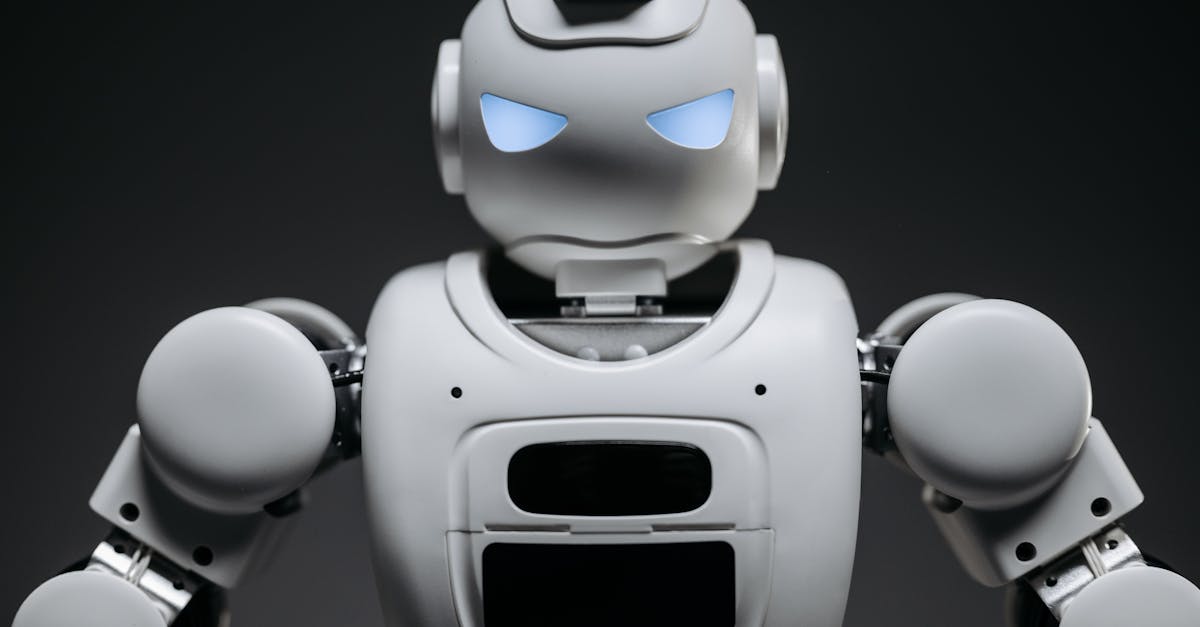
Figure AI: The Heavyweight Contender Entering the Humanoid Arena
Figure AI, a humanoid robotics startup founded in 2022 by Bill Budge and Bart Weitzel, has rapidly climbed the valuation ladder through strategic partnerships and a compelling hardware prototype. Backed by OpenAI, Microsoft, and Nvidia, the company has positioned itself at the intersection of advanced robotics and generative AI. However, for RobotWale’s readers seeking grounded investment and deployment data, it is critical to distinguish between the company’s announcement velocity and its actual shipping hardware volume.
As of mid-2024, Figure AI remains in the pilot deployment phase. While the Figure 01 humanoid robot has been showcased publicly, including a notable demonstration at CES 2024 where it poured coffee, the transition from demo to factory floor deployment is the metric that defines commercial viability. The company’s valuation, reported at over $1.2 billion following a $540 million Series C round in February 2024, reflects confidence in the technology stack rather than current revenue streams from hardware sales.
The Figure 01 Hardware Architecture
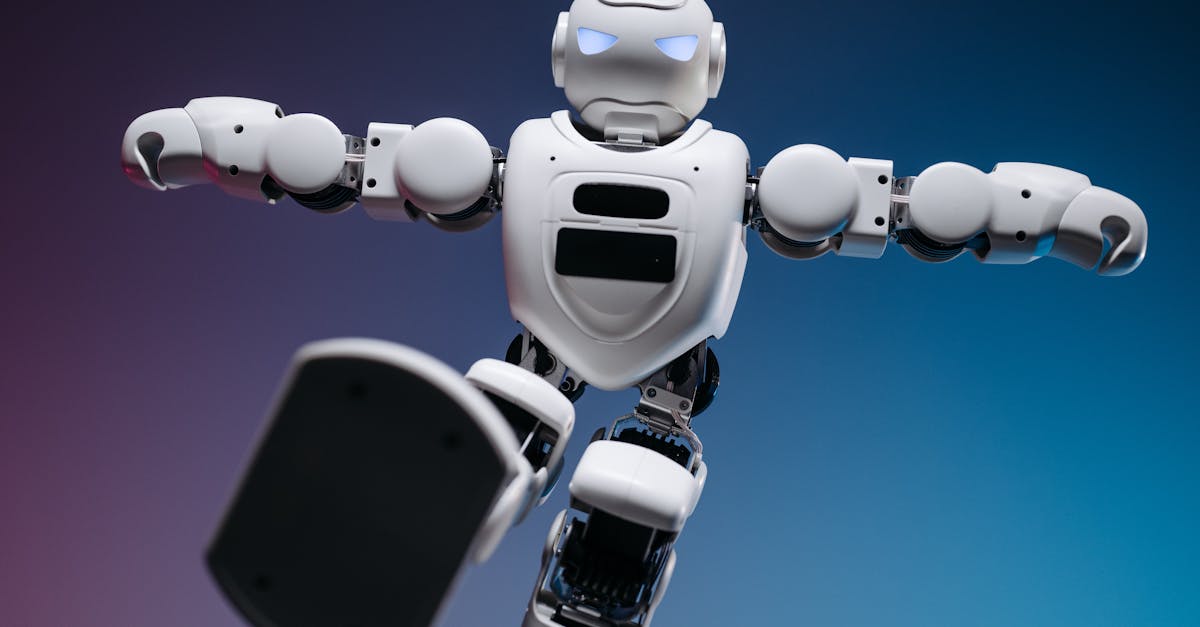
The Figure 01 is a 1.8-meter (approximately 6 feet) tall humanoid designed for general-purpose industrial tasks. Unlike early generation robots that relied heavily on fixed programming for repetitive movements, Figure 01 is engineered to integrate with foundation models for high-level task planning.
According to technical specifications released during the CES 2024 unveiling, the Figure 01 features an electric actuation system rather than hydraulic, aiming for higher precision and lower maintenance costs. The robot is rated for a payload capacity of approximately 20 kilograms (44 lbs). This payload specification aligns with standard industrial material handling requirements, such as moving parts on an automotive assembly line or loading pallets in a warehouse.
- Height: 1.8 meters
- Payload: 20 kg (44 lbs)
- Dexterity: 3-fingered hands designed for grasping varied objects
- Locomotion: Fully electric, designed for indoor environments
Crucially, the Figure 01 does not operate in isolation. Its control architecture relies heavily on external compute resources. The robot transmits data to edge servers where the AI processing occurs, allowing the on-board battery to focus on actuation rather than heavy computing loads. This architecture mitigates the heat and power density issues common in autonomous mobile robots.
The AI Stack: OpenAI and Nvidia Integration
What separates Figure AI from competitors like Tesla’s Optimus or Boston Dynamics’ Atlas is the depth of its software integration. The company has explicitly stated that it utilizes models developed by OpenAI to drive its “thinking” capabilities. This partnership allows the robot to interpret natural language commands and reason through multi-step tasks.
For industrial use cases, this means a worker can instruct the Figure 01 to “pick up the red box and place it on the conveyor,” and the robot should theoretically be able to navigate to the location, identify the object, and manipulate it without explicit code programming for that specific task. This “AI-Native” approach reduces the time required for task deployment but introduces latency and safety verification challenges.
Complementing the AI brain, the hardware compute utilizes Nvidia’s Jetson AGX Thor. This module provides the necessary power for real-time perception and control loops. Nvidia’s involvement is not merely financial; it involves deep architectural collaboration to ensure the robot can run inference models efficiently on the edge while maintaining a connection to the cloud for training updates.
The combination of OpenAI’s reasoning models and Nvidia’s compute hardware creates a formidable software stack. However, the reliance on cloud connectivity for complex reasoning introduces a risk factor: if the network connection is severed in a manufacturing environment, the robot’s decision-making capabilities may degrade. Figure AI has stated they are working on edge-optimized versions to mitigate this, but public data on the autonomy level during network outages remains limited.
Deployment Reality: BMW and Tesla Partnerships
Figure AI has secured high-profile partnerships that validate its technology, though the scale of these deals is often obscured in press releases. The most significant commercial anchor is BMW. In 2023, BMW announced a partnership to pilot Figure 01 units at its plant in Spartanburg, South Carolina.
The initial deployment focused on quality control and logistics tasks within the factory. While BMW has not publicly detailed the number of units deployed, the existence of the pilot confirms that the hardware can operate in a controlled industrial setting. BMW’s involvement lends credibility to the Figure 01’s durability and safety protocols, as automotive manufacturing environments have some of the strictest safety standards globally.
Another major announcement came in May 2024, when Figure AI and Tesla announced a strategic partnership. This collaboration aims to integrate Tesla’s Optimus hardware with Figure AI’s AI software stack. Industry analysts view this with cautious optimism. While the announcement confirms a technical alignment, it does not constitute a binding purchase order for hardware. The partnership allows Figure AI to access Tesla’s supply chain for actuators and sensors, potentially lowering the bill of materials (BOM) for future iterations.
For investors and procurement officers, the distinction is vital: BMW has a pilot, Tesla has a partnership. Neither represents mass production. The absence of a public list of paying customers outside these strategic partners suggests that Figure AI is currently in the “beta” phase for commercial robotics.
Financial Traction and Valuation
The company’s financial profile reflects the “hype cycle” typical of deep-tech hardware startups. In February 2024, Figure AI raised $540 million in Series C funding. This round was led by OpenAI’s Makers Fund, with participation from Nvidia, Microsoft, and existing investors.
The valuation of over $1.2 billion places Figure AI in the “unicorn” category, a status reserved for privately held startups valued at over $1 billion. This valuation is driven by the quality of the team, the backing of the AI giants, and the potential market size for humanoids, rather than current revenue.
Figure AI’s burn rate is likely high due to the costs associated with R&D in robotics and AI. The company employs over 100 staff, including significant engineering talent from Valve, Amazon, and Tesla. The funding runway is intended to bridge the gap to Series D, where the expectation will shift from “prototype demonstration” to “unit economics and volume production.”
India Availability and Market Viability
For the Indian market, Figure AI is not currently available for purchase. There are no authorized distributors in India for the Figure 01 as of late 2024. The company’s primary focus remains on the North American and European automotive sectors, where labor costs are higher and the regulatory framework for industrial automation is established.
However, the long-term trajectory for humanoid robots in India is promising. As India faces a labor shortage in certain manufacturing sectors and pushes for “Make in India” automation, the value proposition of a Figure 01 aligns with the economic need. The challenge lies in the cost.
Estimating the landed cost in India requires benchmarking against similar systems. If Figure AI aims for a target price comparable to the Tesla Optimus (estimated at $20,000 to $30,000 in volume), the hardware cost would range from INR 16 Lakhs to INR 24 Lakhs. However, early commercial pricing for specialized robotics often carries a premium.
Considering import duties, GST, and local safety certification requirements (such as BIS standards for industrial robots), the landed cost in India is estimated to be between INR 25 Lakhs and INR 35 Lakhs ($30,000 to $45,000) for the initial fleet deployment. This price point excludes integration services, training, and infrastructure upgrades required to make the factory “robot-ready.”
Until Figure AI establishes a presence in India through a local partner or a pilot program with major Indian conglomerates like Tata or Reliance, the hardware remains an imported solution for early adopters with significant capital reserves.
Risks and Regulatory Considerations
Beyond the hardware and funding, there are significant risks associated with Figure AI’s deployment model. The reliance on cloud-connected AI models raises concerns about data sovereignty, particularly in regulated industries like automotive and defense. If the AI model requires data to be processed in the US, it may conflict with India’s emerging data localization laws.
Furthermore, the safety certification for humanoid robots in India is not yet fully codified. While the Bureau of Indian Standards (BIS) has guidelines for industrial automation, specific standards for bipedal humanoid interaction in shared workspaces are still evolving. Manufacturers importing these robots must navigate a complex regulatory landscape that could delay deployment or increase costs.
Finally, the “AI Hallucination” risk remains. If an industrial robot decides to move a heavy load due to a misinterpretation of a natural language command, the liability falls on the manufacturer and the operator. Figure AI must prove that its AI stack is deterministic enough for high-risk environments before scaling beyond pilot plants.
Conclusion: A Promising Prototype, Not Yet a Product
Figure AI represents one of the most well-funded and technically sophisticated entrants in the humanoid robotics sector. The backing from OpenAI, Microsoft, and Nvidia provides a level of assurance regarding the AI stack and compute architecture that smaller competitors cannot match. The Figure 01 is a credible piece of hardware capable of performing industrial tasks, as evidenced by the BMW pilot.
However, for the Indian market and global investors alike, the company remains in the pilot phase. The transition from a $1.2 billion valuation to a $1.2 billion revenue run rate is the true test. Until Figure AI releases a public price list, a verified delivery schedule, and a complete supply chain roadmap, the robot remains a high-potential prototype rather than a standard industrial tool.
RobotWale will continue to monitor the BMW pilot outcomes and any announcements regarding mass production. For now, the Figure 01 stands as a testament to the maturation of AI-driven robotics, but not yet as a commercially available asset for the broader market.
References
- Figure AI Official Website: figure.ai
- Figure AI & BMW Partnership: BMW Press Release
- TechCrunch Funding Report: Figure AI Raises $540M
- Reuters on Tesla Partnership: Figure AI and Tesla Partnership
- Nvidia Developer Blog: Nvidia Joins Figure AI
✓ Key takeaways
- •Hands-on view of Figure AI: Assessing the Backing, Hardware, and Deployment Reality of the OpenAI-Linked Humanoid inside our Figure AI library.
- •Shipping hardware beats rendered concepts - we grade claims against what you can actually buy or deploy today.
- •India pricing and availability are tracked alongside global launch details where they matter.
References
Related articles
More in Figure AI →