Figure AI: OpenAI-Backed Humanoid Entering Early Production Pilots

Executive Summary: Figure AI
Figure AI represents one of the most heavily capitalized entries in the humanoid robotics sector. Founded in 2022 by Brian Wong and Brett Adcock, the company has rapidly ascended to the forefront of the industry due to its strategic backing from OpenAI, Microsoft, and Nvidia. Unlike many competitors operating in the concept or prototype stage, Figure AI has secured partnerships with major industrial manufacturers, most notably BMW Group, to validate its hardware in real-world environments.
RobotWale’s assessment follows a strict grading protocol: shipping hardware ranks highest, followed by pilot deployments, with public announcements considered last. While Figure AI’s press releases are frequent, the company’s tangible progress is anchored in its BMW pilot deployment in Germany. This article analyzes the Figure 01 system, its AI integration, and the realistic implications for the Indian market.
Hardware Specifications: Figure 01
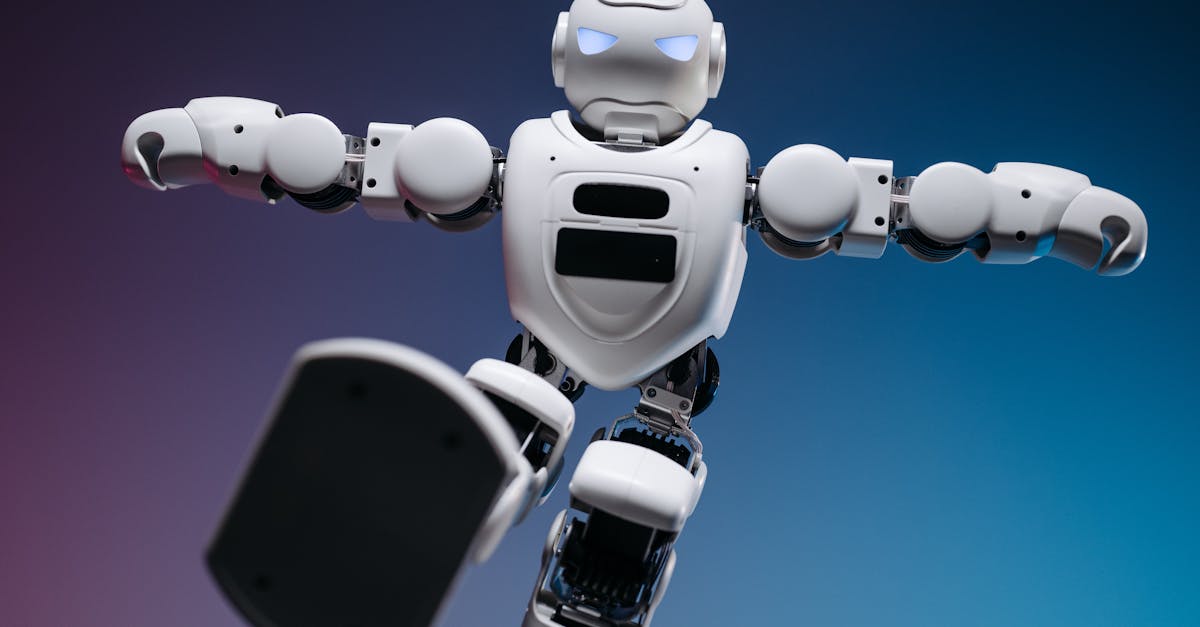
The Figure 01 is the primary hardware unit currently under evaluation. Published data sheets and on-stage demos provide the most reliable source for technical specifications. The robot stands approximately 1.8 meters tall and weighs around 75 kilograms, comparable to the average adult human frame.
Physical Capabilities
The Figure 01 is designed for general-purpose manipulation tasks. Key specifications include:
- Actuation: High-torque actuators in the hands and arms designed for precision gripping and tool handling.
- Dexterity: Capable of manipulating tools and components on a production line, a significant step beyond simple locomotion.
- Battery Life: Estimates suggest a full operational shift of approximately 8 hours, though this depends heavily on the task complexity.
- Connectivity: Built for industrial environments with robust Wi-Fi and 5G connectivity to facilitate real-time data transmission to edge AI models.
Unlike concept renders often seen in the industry, the Figure 01 has been deployed on a factory floor. This distinction between a laboratory prototype and a fielded asset is critical for investment and procurement decisions.
Deployment Status: The BMW Pilot
The most significant indicator of Figure AI’s maturity is its partnership with the BMW Group. In 2023 and 2024, BMW announced plans to deploy Figure robots at its Dingolfing plant in Germany. This facility is one of the largest automobile manufacturing plants in the world, making it a rigorous testing ground for automation.
Pilot Objectives
The deployment focuses on non-automated, high-value tasks that are traditionally difficult to automate. These include:
- Inspection of vehicle components for quality control.
- Handling of delicate materials that require human-level dexterity.
- Logistics support within the assembly line where fixed automation is inefficient.
Beyond the press release, independent reporting suggests the robots are operating alongside human workers. However, no public data confirms the number of units deployed or the specific uptime metrics. The BMW partnership serves as a third-party validation of the hardware’s reliability, though it does not guarantee mass commercial availability.
The AI Stack: Beyond Hardware
Figure AI distinguishes itself through its software architecture. The hardware is only as useful as the intelligence driving it. The company leverages a Vision-Language-Action (VLA) model, which allows the robot to understand natural language instructions and translate them into physical actions.
Training and Safety
The AI stack is trained on a combination of simulated environments and real-world data. Figure AI emphasizes safety protocols, including the ability to stop immediately if a hazard is detected. This is crucial for industrial settings where human safety is paramount. The integration with OpenAI’s language models provides the reasoning capability, while proprietary control algorithms handle the motor execution.
While the technical capabilities are promising, the latency of cloud-based AI inference remains a challenge for real-time manufacturing tasks. Figure AI has indicated a move toward edge computing to reduce latency, but this transition is ongoing.
Financial Backing and Valuation
Figure AI has raised significant capital to fund its R&D and pilot programs. The company secured a Series C funding round in 2024, valuing the startup at over $4 billion. Key investors include OpenAI, Microsoft, Nvidia, and Amazon.
Investment Implications
The involvement of these tech giants suggests confidence in the long-term viability of the humanoid sector. However, high valuations also carry risks. Manufacturing robotics hardware is capital-intensive, with low margins in the early stages. The company must transition from pilot programs to scalable production to justify the valuation.
India Availability and Market Entry
For the Indian market, Figure AI remains unavailable for direct purchase. The company is currently focused on its North American and European pilot deployments. There is no official announcement regarding a commercial launch in India as of early 2025.
Estimated Landed Cost
While Figure AI has not released an official price list, industry estimates for similar humanoid robots range between $150,000 and $250,000 per unit. Factoring in import duties, GST, and logistics, the landed cost in India would likely exceed INR 1.5 crore (150 Lakhs) per unit.
Procurement Reality
- Availability: Not currently available for sale in India.
- Service Network: No certified service partners exist in India for Figure AI hardware.
- Regulatory Compliance: Importing high-torque robotics requires strict adherence to Indian safety standards (ISO 10218).
Indian manufacturers should monitor Figure AI’s pilot results at BMW before considering procurement. The return on investment (ROI) depends on the robot’s ability to handle specific tasks more efficiently than human labor in the Indian context.
Comparison to Local Alternatives
India is seeing growth in domestic robotics startups focusing on collaborative robots (cobots) rather than full humanoids. Companies like Astha Robotics and others focus on task-specific automation which often offers a lower entry cost and higher reliability for Indian manufacturing needs.
Conclusion
Figure AI is a high-profile entrant in the humanoid robotics space, backed by significant capital and strategic partnerships. The Figure 01 hardware has moved beyond concept to limited industrial deployment, particularly through the BMW pilot in Germany. However, the technology remains in the early stages of commercialization.
For stakeholders in India, the immediate takeaway is caution. While the technology is impressive, the lack of local availability, service infrastructure, and transparent pricing makes it a speculative investment at this time. The focus should remain on the pilot outcomes in Germany before considering deployment in Indian manufacturing facilities.
References
- Figure AI Official Website: figure.ai
- BMW Group Press Release on Figure Collaboration: BMW Group News
- TechCrunch on Series C Funding: TechCrunch Funding Report
- Reuters on Figure AI and OpenAI Partnership: Reuters Technology
✓ Key takeaways
- •Hands-on view of Figure AI: OpenAI-Backed Humanoid Entering Early Production Pilots inside our Figure AI library.
- •Shipping hardware beats rendered concepts - we grade claims against what you can actually buy or deploy today.
- •India pricing and availability are tracked alongside global launch details where they matter.
References
Related articles
More in Figure AI →