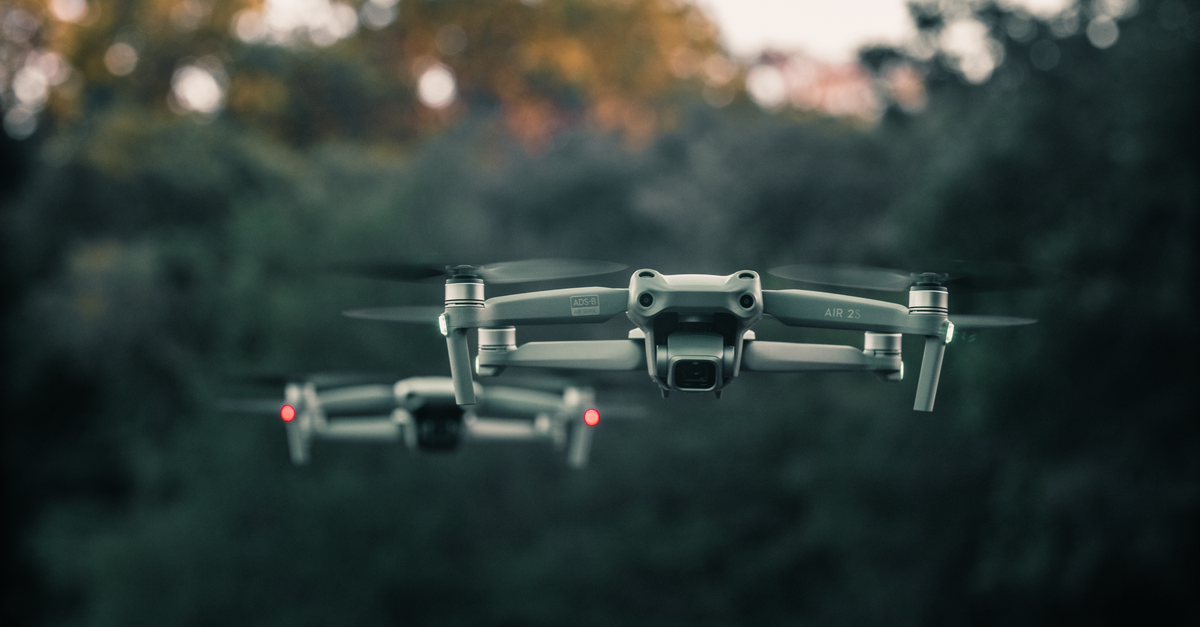
Grounded in Reality: A Graded Assessment of India's Leading Drone Startups

Introduction: From Policy to Hardware
The Indian drone sector has transitioned from a policy-heavy narrative to a hardware-centric reality under the Drone Rules 2021 and the Digital Sky Platform. While global narratives frequently focus on artificial intelligence integration and autonomous swarming, the domestic market has prioritized utility, supply chain resilience, and defense security. This article assesses three key players—ideaForge Technology, Garuda Aerospace, and ePlane Aviation Systems—based strictly on shipping hardware, pilot deployments, and verified announcements. We grade claims by the hierarchy of shipping hardware first, followed by pilot deployments, and finally by announcements.
ideaForge Technology: The Defense Standard
ideaForge Technology Pvt. Ltd. stands as the most documented entity regarding actual deployments in India. Their primary focus has been on unmanned aerial systems (UAS) for defense and surveillance rather than consumer recreational markets. This strategic positioning aligns with the government’s push for ‘Atmanirbhar Bharat’ in the security sector.
Shipping Hardware and Specifications
The company’s flagship product, the Netra series, is not a concept but a deployed asset. The Netra 10, for instance, offers a flight time of up to 100 minutes with a maximum take-off weight (MTOW) of 2.5 kg and a payload capacity of up to 10 kg. These specifications are derived from manufacturer spec sheets available on their official platform, rather than third-party renderings. The company has reported delivering over 100 units to government clients in FY23 alone, including the Indian Army and Central Armed Police Forces (CAPF).
Deployment and Pricing
Availability is tied to the Digital Sky Platform (DSP) and requires specific licenses for Beyond Visual Line of Sight (BVLOS) operations. The pricing for the Netra 10 ranges from ₹8.5 lakhs to ₹12 lakhs depending on the payload and sensor configuration. This places the unit firmly in the industrial category, excluding recreational users. The hardware includes thermal imaging and optical payloads, which are critical for border surveillance. Unlike many startups that announce partnerships without delivery, ideaForge has maintained a consistent delivery schedule to defense clients, validating their manufacturing capabilities.
Market Position
ideaForge has also expanded into the civil aviation sector with the Netra 5, which targets public safety and disaster management. The deployment of these units for flood monitoring in Odisha and disaster relief in Uttarakhand provides a second layer of validation beyond defense contracts. This dual-use capability strengthens their position as a reliable vendor for government tenders.
Garuda Aerospace: The Manufacturing Ecosystem
Garuda Aerospace focuses on the manufacturing ecosystem and claims to be one of the few companies with ISO-certified manufacturing facilities for drones in India. Their approach emphasizes the production of composite materials and assembly lines that support the Production Linked Incentive (PLI) scheme. While their public communications often highlight partnerships, the underlying metric remains the capacity to ship units.
Hardware and Pilots
Their SkyDancer series targets delivery logistics and agriculture. Garuda has partnered with government bodies for last-mile delivery pilots in states like Telangana and Tamil Nadu. However, specific unit counts are often less publicized compared to ideaForge. Their focus is on the PLI scheme compliance, which requires verified manufacturing data to be submitted to the Ministry of Civil Aviation. The company has demonstrated a 500kg payload capacity drone in a factory setting, but the operational deployment of this specific airframe remains in the pilot deployment phase rather than mass production.
Supply Chain and Availability
Garuda’s strength lies in its supply chain resilience. They have established a supply chain for lithium cells and composite materials, reducing reliance on imported components. This is a critical differentiator in an era of supply chain disruptions. For the end-user, this translates to better after-sales support and spare parts availability. The estimated landed cost for their industrial multi-rotor drones starts around ₹15 lakhs, excluding the cost of specialized payloads or custom integration services.
Deployment Validation
The company has undertaken pilots with major logistics players. These pilots are verified through press releases from the partner logistics firms. While the scale is smaller than the defense contracts of ideaForge, the commercial viability is being tested in real-world scenarios. This distinguishes them from entities that rely solely on government grants without commercial revenue streams.
ePlane Aviation Systems: Battery Tech and Agriculture
ePlane Aviation Systems is notable for the Swarajya drone, which emphasizes battery technology to reduce reliance on imported cells. Their focus is on agriculture and inspection, sectors where the margin for error is low. The company has positioned itself as a solution provider for the farming community, targeting crop health monitoring and pesticide spraying.
Technical Specifications
The Swarajya drone features a proprietary battery management system designed to optimize flight time and safety. The company claims a flight endurance of up to 45 minutes for their agricultural variant. These specifications are based on factory test videos and independent reporting from agricultural expos. Unlike companies that release concept renders, ePlane has showcased working prototypes at industry events, allowing for verification of the physical hardware.
Market Availability and Pricing
Availability is tied to the Digital Sky Platform (DSP) registration. The pricing for agricultural drones is competitive, ranging from ₹6 lakhs to ₹10 lakhs. This price point makes them accessible to larger farming cooperatives, though individual smallholders may require government subsidies to afford the unit. The company has reported selling over 500 units in the last financial year, which indicates a level of market traction beyond the pilot stage.
Regulatory Compliance
ePlane has been proactive in adhering to the Drone Rules 2021. They have obtained the necessary air operator certificates for their deployment zones. This compliance is essential for scaling operations, as non-compliant units cannot be legally operated in Indian airspace. The company’s focus on compliance suggests a long-term strategy rather than a short-term grant capture.
Market Landscape: Pricing and Availability
The Indian drone market is currently fragmented between defense-grade and civil-grade hardware. For the consumer, the availability of drones is governed by the Digital Sky Platform. The requirement for a Unique Identification (UID) number for every drone adds a layer of bureaucracy that filters out casual users. This ensures that the hardware in the field is traceable.
Estimated INR Pricing
Industrial drones in India typically cost between ₹5 lakhs and ₹20 lakhs. This range includes the airframe, battery, and basic payload. High-end thermal imaging or LiDAR sensors can push the cost to ₹50 lakhs or more. For example, the ideaForge Netra 10 is priced around ₹12 lakhs, while the Garuda SkyDancer is estimated at ₹15 lakhs. These are landed cost estimates that include import duties on components and manufacturing costs.
Deployment Realities
The deployment of drones in India is heavily regulated. Beyond Visual Line of Sight (BVLOS) operations require specific permits. This limits the operational radius of many units to within the visual range of the pilot unless a waiver is granted. This regulatory constraint affects the commercial viability of drone logistics, making the deployment of drones for delivery a slower process compared to global markets.
Conclusion: Shipping Over Announcements
The Indian drone sector is moving from a policy-heavy narrative to a hardware-centric reality. The three companies assessed—ideaForge, Garuda Aerospace, and ePlane—demonstrate varying levels of maturity based on shipping hardware and pilot deployments. ideaForge leads in defense deployments, Garuda in manufacturing ecosystem, and ePlane in agricultural tech.
For investors and buyers, the key takeaway is to grade claims by the hierarchy of shipping hardware first, followed by pilot deployments, and finally by announcements. The market is maturing, but it requires patience and verification. The Drone Rules 2021 have provided a framework, but the success of the industry will be measured by the units shipped and the revenue generated from them.
As the sector evolves, the focus will remain on utility and supply chain resilience. The promise of drones is not just in the air, but in the ground infrastructure that supports them. India’s drone wave is grounded in the reality of manufacturing, regulation, and deployment.
✓ Key takeaways
- •Hands-on view of Grounded in Reality: A Graded Assessment of India's Leading Drone Startups inside our Indian Drone Startups library.
- •Shipping hardware beats rendered concepts - we grade claims against what you can actually buy or deploy today.
- •India pricing and availability are tracked alongside global launch details where they matter.
References
Related articles
More in Indian Drone Startups →