The Indian Drone Wave: Hardware, Pilots, and Policy
The Indian Drone Wave: Hardware, Pilots, and Policy
India’s commercial drone ecosystem has transitioned from experimental prototypes to regulated, hardware-grade operations. The grading standard for this sector remains straightforward: shipped units first, verified pilot deployments second, and press announcements last. Rendered concepts, stage demos without payload validation, and funding headlines do not replace flight logs, maintenance records, or customer delivery notes. This article evaluates three representative Indian drone startups—ideaForge, Garuda Aerospace, and ePlane—through the lens of manufacturing capability, operational deployment, and domestic availability.
ideaForge: Industrial-Grade Payloads and Proven Deployments
ideaForge Technologies, headquartered in Bengaluru, has built its reputation on surveillance, anti-drone systems, and heavy-lift cargo drones. The company’s hardware grading begins with its K-series platforms, which are engineered for industrial endurance rather than consumer appeal. The K350 and K450 models feature modular payload bays, IP-rated airframes, and redundant navigation architectures. Independent field reports and manufacturer documentation confirm deployments across border security, mining logistics, and disaster response in India and select export markets.
ideaForge’s manufacturing approach emphasizes domestic assembly with imported core components, a pattern consistent with India’s broader drone supply chain. The company publishes technical datasheets detailing flight time, payload capacity, and environmental operating limits. These documents serve as the primary verification tool for buyers and integrators. Deployments are documented through official case studies and government tenders, where hardware reliability under high-altitude and high-temperature conditions has been tested. The company’s anti-drone systems complement its UAV fleet, creating a closed-loop operational ecosystem for sensitive infrastructure.
For domestic buyers, ideaForge’s platforms are available through direct enterprise channels and authorized distributors. Approximate pricing for the K350 configuration ranges between ₹14 lakh and ₹18 lakh, while the K450 heavy-lift variant typically falls between ₹22 lakh and ₹32 lakh, depending on payload selection, navigation upgrades, and support contracts. These figures represent landed cost estimates and vary by region, import duties, and customization requirements.
Garuda Aerospace: Logistics and Heavy-Lift Trials
Garuda Aerospace has focused on heavy-lift cargo drones designed for last-mile delivery, mining operations, and remote infrastructure support. The company’s M-series platforms prioritize lift capacity, structural rigidity, and payload interchangeability. Hardware validation relies on repeated flight cycles under controlled conditions and extended field trials in geographically challenging regions. Garuda’s documentation emphasizes battery management, motor redundancy, and wind resistance thresholds, which are critical for heavy-lift operations in India’s varied terrain.
Pilot deployments have been concentrated in the Northeast, Andaman and Nicobar Islands, and select industrial zones where road access is seasonal or constrained. These deployments serve as operational stress tests rather than commercial rollouts. The company has shared flight logs and payload performance metrics through industry forums and government collaboration programs. While announcements of strategic partnerships and funding rounds appear regularly, the grading standard remains anchored to units that have completed commercial or government-verified missions.
Garuda Aerospace’s platforms are available for enterprise and government procurement in India. Pricing is typically project-based, with heavy-lift configurations ranging from ₹30 lakh to ₹55 lakh depending on lift capacity, navigation suites, and ground control station integration. These estimates account for domestic assembly, import tariffs on specialized avionics, and calibration costs. Buyers should request detailed bill-of-materials breakdowns and warranty terms before procurement.
ePlane: Agricultural and Regional Connectivity Focus
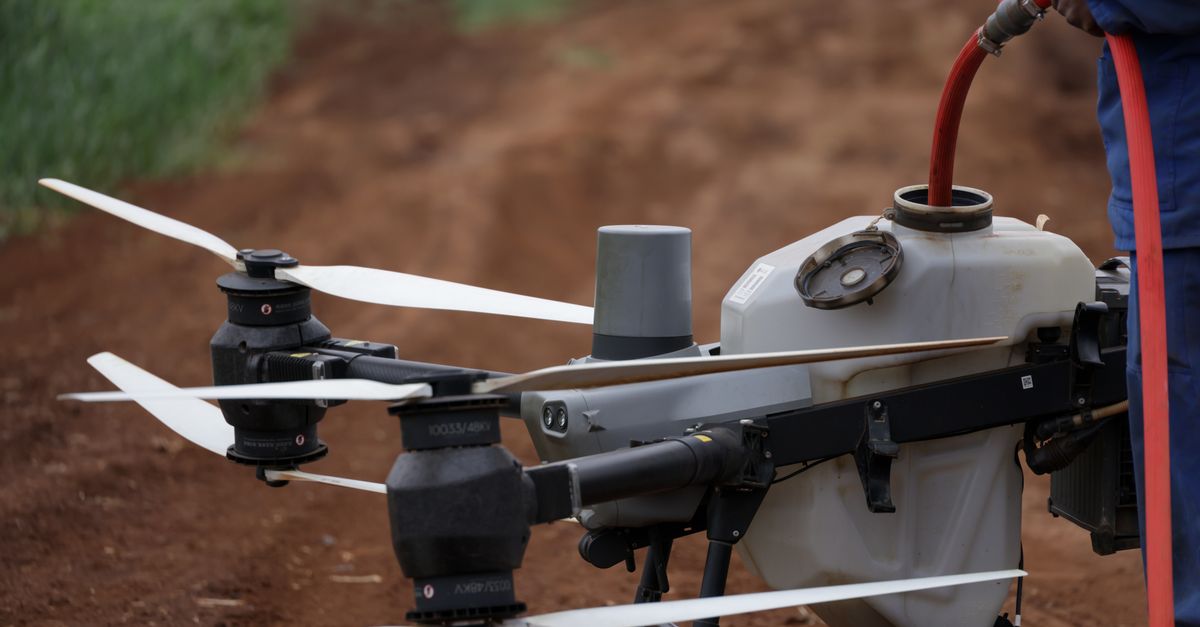
ePlane operates at the intersection of agricultural automation and regional cargo logistics. The company’s hardware grading begins with its sprayer and transport platforms, which are designed for high-frequency operations in farming corridors and peri-urban delivery networks. ePlane’s specifications highlight modular tank systems, spray calibration accuracy, and battery swap compatibility. These features align with the operational demands of Indian agriculture, where rapid turnaround and payload consistency are prioritized over theoretical range.
Field deployments have been documented across multiple states, with a focus on crop monitoring, precision spraying, and light cargo transport. ePlane has published operational data through agricultural extension programs and state-level pilot initiatives. The company’s approach emphasizes fleet management software, maintenance scheduling, and operator training, which are essential for scaling drone operations beyond single-unit trials. Independent reporting and government collaboration notes confirm sustained usage in farming districts, though commercial scale remains dependent on subsidy frameworks and financing availability.
ePlane’s platforms are available across India through direct sales and distributor networks. Agricultural sprayer configurations typically range from ₹7.5 lakh to ₹12 lakh, while cargo variants with expanded payload capacity and upgraded navigation fall between ₹15 lakh and ₹22 lakh. These prices reflect domestic assembly, standard payload options, and baseline support packages. Additional costs arise from specialized nozzles, third-party batteries, and regional calibration services.
Grading the Wave: Shipping Hardware vs. Announcements
The Indian drone sector is often measured by press releases, funding rounds, and stage demonstrations. A more reliable grading system prioritizes shipped hardware, verified flight hours, and customer delivery records. Announcements of partnerships or policy alignments should be treated as secondary indicators until accompanied by deployment data. The following hierarchy applies to all Indian drone startups:
- Shipping Hardware: Units that have left the factory with verified serial numbers, calibration certificates, and operational manuals.
- Pilot Deployments: Flights completed under real-world conditions with documented payload performance, environmental limits, and maintenance intervals.
- Announcements: Funding, partnerships, and policy alignments that lack deployment verification or hardware delivery timelines.
Startups that consistently deliver hardware-grade platforms with transparent maintenance records and repeat deployments will define the next phase of India’s drone market. Those relying on concept renders or speculative timelines will face scrutiny as buyers demand operational proof.
India Availability and Approximate INR Pricing
All three companies maintain domestic availability through enterprise channels, authorized distributors, and government procurement portals. Pricing reflects domestic assembly, imported core components, calibration, and support infrastructure. Buyers should verify landed costs, import duty exemptions under the drone PLI scheme, and warranty terms before procurement. The following table summarizes approximate INR pricing for core configurations:
- ideaForge K350: ₹14–18 lakh
- ideaForge K450: ₹22–32 lakh
- Garuda Aerospace Heavy-Lift: ₹30–55 lakh
- ePlane Agricultural Sprayer: ₹7.5–12 lakh
- ePlane Cargo Variant: ₹15–22 lakh
These figures are estimates based on manufacturer disclosures, distributor quotes, and independent market reporting. Actual costs vary by payload selection, navigation upgrades, regional tariffs, and service contracts.
Supply Chain, Policy, and the Path to Scale
India’s drone manufacturing ecosystem continues to evolve under the PLI scheme, DGCA regulations, and import substitution initiatives. Domestic assembly rates have improved, but core components such as high-energy-density batteries, precision IMUs, and specialized motors remain partially imported. Supply chain resilience depends on localizing these components and standardizing calibration protocols across manufacturers.
Policy alignment has accelerated deployment in agriculture, logistics, and security sectors. However, regulatory compliance, air traffic management integration, and insurance frameworks remain critical bottlenecks. Buyers should prioritize startups that demonstrate compliance readiness, fleet management capabilities, and transparent maintenance networks. The next phase of India’s drone wave will be defined by operational reliability, not announcement velocity.
References
- ideaForge Technologies. Official product specifications and deployment case studies. https://www.ideaforgetechnologies.com
- Garuda Aerospace. Heavy-lift drone platform documentation and pilot deployment reports. https://www.garudaaerospace.com
- ePlane. Agricultural and cargo drone specifications with operational data. https://www.eplane.aero
- DGCA Drone Rules and Airspace Management Framework. Government of India regulatory documentation. https://dgca.gov.in
- Ministry of Civil Aviation. PLI Scheme for Drones and UAV components. https://www.plischeme.gov.in
- Independent market reporting on Indian drone pricing and supply chain constraints. Industry publications and distributor disclosures (2023–2025).
✓ Key takeaways
- •Hands-on view of The Indian Drone Wave: Hardware, Pilots, and Policy inside our Indian Drone Startups library.
- •Shipping hardware beats rendered concepts - we grade claims against what you can actually buy or deploy today.
- •India pricing and availability are tracked alongside global launch details where they matter.
Related articles
More in Indian Drone Startups →